Robben Island is not a place to sleep
The idea of sleeping in former Robben Island guard houses feels like a line we shouldn’t be crossing — not because of what it could earn but because of what it risks eroding
 Black News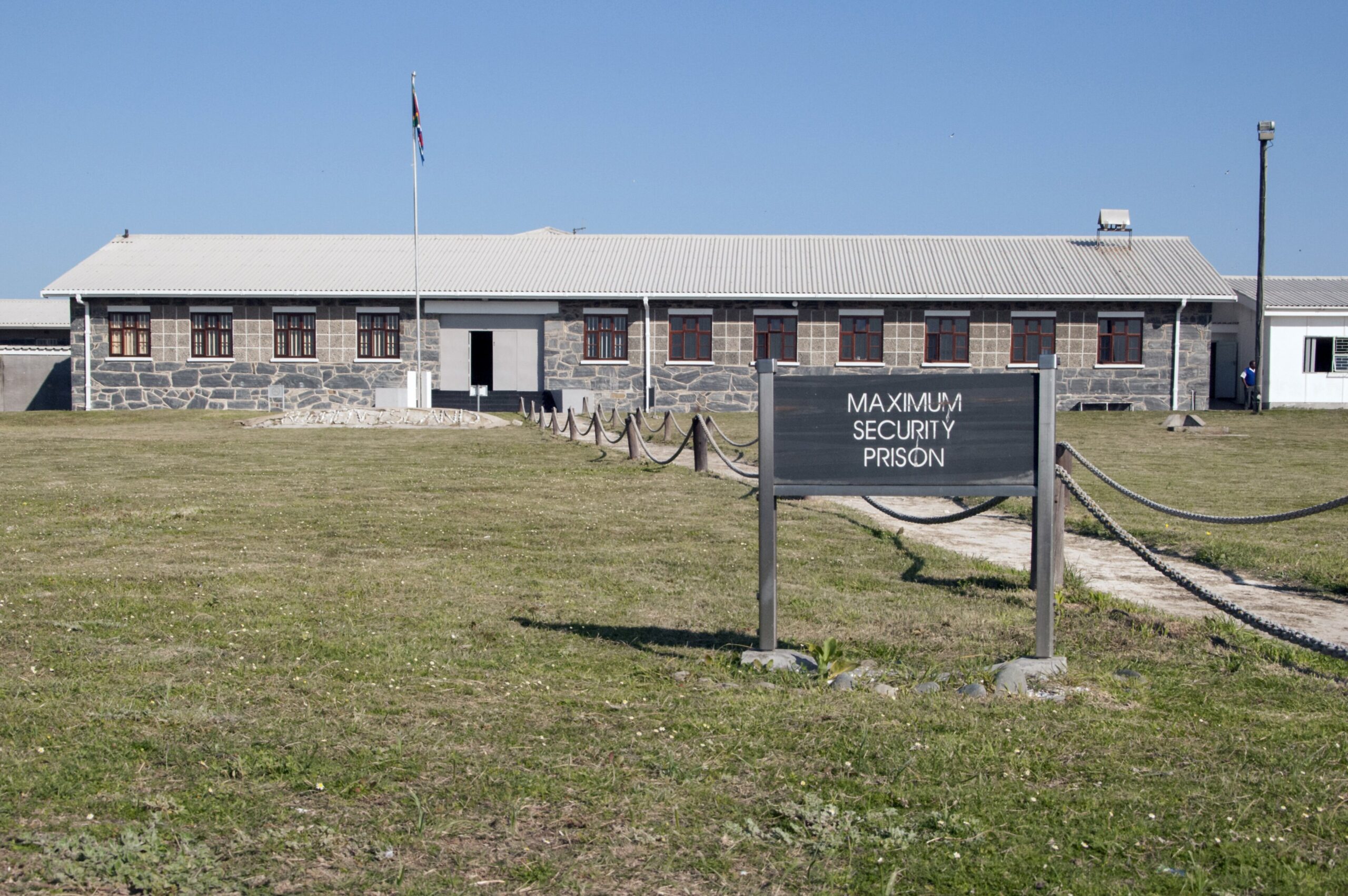

I read the headline twice because I thought I had misunderstood it. Former prison guard houses on Robben Island may be converted into tourist accommodation.
At first, I assumed it was satire. It felt too tone-deaf to be real.
But we are well past April Fool’s Day and the proposal is exactly what it sounds like.
The Robben Island Museum has confirmed that one of the former guard homes has been restored as a pilot project.
There are around 100 of these houses on the island. The broader idea is to repurpose them into an accommodation offering, although the timelines remain unclear.
And just like that, a place synonymous with pain, resistance, suffering and sacrifice is being reframed as somewhere you can … check in.
Let’s be clear about what Robben Island is.
This is not just another underutilised state asset that needs to “work harder”. It is a Unesco World Heritage Site.
It is where Nelson Mandela spent 18 years of his imprisonment.
It is where countless anti-apartheid activists were broken down physically and psychologically for daring to imagine a free South Africa.
You do not separate that history from the land itself. The space is
the story.
When we start talking about turning prison guard houses into short-stay rentals, we are not just talking about property. We are talking about memory, dignity and about what we choose to preserve and how.
Of course, there is a financial reality here.
The museum has spoken about a R70 million plan to upgrade and repurpose facilities. Visitor numbers are recovering post-Covid, with more than 250 000 people visiting in 2025. New revenue streams are being explored: walking tours, events and even helicopter landings.
From a real estate perspective, I understand the instinct that you have land, you have buildings, you have global interest. The temptation is to activate the asset in a different way to generate a new stream of income. This, in turn, can make a property commercially viable.
But not all real estate should be optimised. Some spaces carry a weight that cannot be monetised without consequence. Would you be in favour of a new hotel offering at Auschwitz-Birkenau?
There is a difference between activating a site and diluting it.
We have seen where that line gets blurred. A Cape Town events company previously proposed hosting a music festival on the island. The public backlash was immediate. The idea was shelved almost as quickly as it surfaced.
Because people instinctively understood that something was off. The same discomfort applies here, actually, maybe even more so.
This is not a one-off event but rather a permanent positioning. It changes how the island is experienced and more importantly, how it is remembered.
Ask yourself honestly: Why would anyone want to sleep there?
One should visit Robben Island to learn and reflect.
In a place where men were imprisoned for fighting for freedom. In buildings occupied by those who enforced that system.
It is not the same as heritage hotels in old forts or repurposed industrial spaces. Those sites often tell stories of architecture or trade. Robben Island tells a story of oppression that sits within living memory. There are people alive today who were held there. This is not distant history; it is personal.
There is a version of this that could make sense.
If those spaces were used as part of structured educational programmes. If overnight stays formed part of immersive learning experiences for students, researchers or leadership programmes rooted in history, justice and reconciliation. That is certainly different and serves the purpose of the site.
But positioning it as tourist accommodation? As a place to “stay”? That is where this topic starts to feel uncomfortable (and offensive).
It risks turning a site of trauma into a backdrop. As someone who writes about property, I spend a lot of time thinking about how space is used. We often talk about the highest and best use and about unlocking the site’s potential. Then we discuss value, redevelopment and repositioning.
But heritage sites like Robben Island require a different lens. We can’t ask how we can make this space more profitable and then select the most commercial route to achieve this. First, we need to protect what this space represents.
Once you frame the question like that, even slightly, you start to erode the meaning attached to it. And meaning, in this case, is everything.
Robben Island should not evolve into a destination you escape to. It should remain a place you go to confront something. To understand the cost of freedom and to sit with discomfort. So that we can learn not to repeat the mistakes of our past.
This is not a place to unwind, disconnect and have an enjoyable weekend away. Not to mention that South Africa has no shortage of places to stay.
What we do have are places that hold our history. We need to be very careful not to confuse the two.