Savannah James’ Milan Hermès Shopping Experience Is Yet Another Reason To Rethink Luxury
Luxury brand Hermès faces backlash over racist treatment of affluent Black women, as consumers demand more choices beyond legacy labels.
 Black News
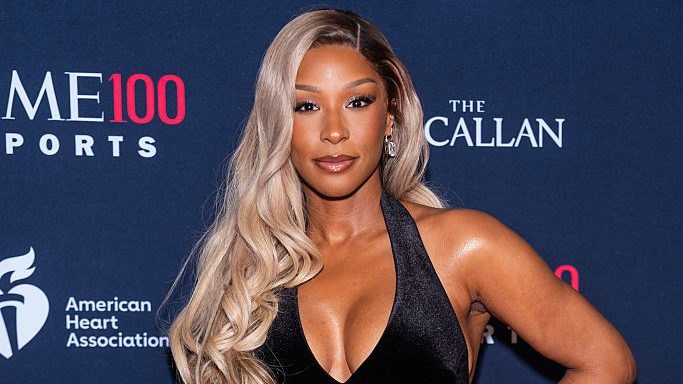
Hermès has spent decades as one of fashion’s most coveted luxury houses. Its handbags, scarves, clothing and accessories come with hefty price tags, exclusivity and a level of status few brands have been able to match.
But in 2026, it might be time to reconsider whether Hermès is still worth our attention — or our money. A recent mishap with Savannah James and April McDaniel brings this topic to the forefront.
The friends recently talked about trying to shop at Hermès in Milan while appearing on Danielle Robay’s “Question Everything” podcast.
According to the friends, April had scheduled shopping appointments as they traveled through Europe. But when they arrived at Hermès, they say they were turned away despite having an appointment.
“We had an appointment,” the ultimate WAG said, recounting the experience. “And they tried to act like it was…”
April said she immediately pushed back. She also made it clear that Savannah is “very nice,” while she had no problem taking the situation further. “I said baby you caught the wrong one today,” April recalled.
According to April, the saleswoman was eventually fired. The “Everybody’s Crazy” podcast stars eventually returned to the store and everything was different.
“We was in the private room with champagne and caviar,” April said. “I said how many bags you got? Ten?”
“They brought out everything,” Savannah added.
Hermès, Black Women And The Cost Of Luxury
There are layers to this conversation, though. Because even as we talk about how Black women are treated when we enter luxury spaces, we can’t ignore the economic realities many Black women face outside of them.
Black women remain among those hit hardest by unemployment. The economy is not at its best, disproportionately impacting Black families and communities. I mean, the price of eggs and bread alone makes a conversation about “buying everything in the Hermès store” just feel off.
And this is also probably why the legacy luxury industry as a whole has been facing consumer threats with the rise of dupes, other brands and fresh alternatives.
The viral Wirkin is one example. Walmart’s Birkin-inspired bag became its own cultural conversation, with shoppers scrambling to get their hands on the much cheaper alternative. Whether luxury purists liked it or not, the frenzy said a lot. The accessory itself is not as much of a must-have as it once was. And a whole lot of consumers are no longer convinced they need the original to participate in the look.
The Truth Of The Savannah James’ Hermès Situation Is That Retailers Don’t Seem To Be Changing
At the same time, the blatant racism Savannah and April faced here is still startling.
With luxury comes a certain perception, status and income level. And in so many words, this particular perception, status and income level has historically meant “white.”
Whether this was what happened in Savannah and April’s case is unknown, but it certainly raises the question. And while their experience eventually turned into the type of “Pretty Woman” moment we’ve seen play out on screen, was it all worth it?
Because in the end, Hermès still got their money. The sales clerk will eventually find another job.
Retailers, meanwhile, don’t seem to be changing.
Gallup’s 2025 polling found that 36% of U.S. adults believed Black people were treated less fairly than white people in downtown stores or shopping malls. Among Black adults themselves, 54% said Black people received less-fair treatment in those spaces. Gallup’s decades of polling also show that concerns about racial disparities in shopping have persisted since it began asking these questions in the late 1990s.
So this isn’t simply a Savannah and April story. And it certainly isn’t the first time an affluent Black woman has had a troubling run-in while luxury shopping.
Savannah James’ Hermès Story Reminds Us Of A Painstaking Truth: We Have Been Here Before
In 2013, Oprah said she walked into Trois Pommes, a luxury boutique in Switzerland, and asked to see a $38,000 Tom Ford crocodile bag.
According to Oprah, the saleswoman wouldn’t show it to her. The employee instead reportedly directed one of the richest and most recognizable women in the world toward less expensive options. The store owner later disputed the characterization of the interaction and called it a misunderstanding.
Eight years earlier, Oprah had another incident — this time with Hermès.
In 2005, Oprah arrived at the Hermès store in Paris and was denied entry. The details of what happened became a matter of public debate. Oprah’s camp said she arrived shortly after closing, saw people inside and asked to make a quick purchase. Hermès said the store was closed and being prepared for a private event.
Hermès eventually issued an apology, saying it regretted “not having been able to accommodate Ms. Winfrey and her team” and apologized “for any offense taken due to such circumstances.”
Is Hermès Still Worth Our Money?
Several thought pieces followed Oprah’s luxury shopping incidents. People discussed boycotting Hermès, the need for more outrage and the fact that racism is racism no matter who you are, how much money you have or your status.
And all of that is true. Painfully true.
Because part of what makes these stories sting is the reminder that it seems Black women cannot earn, achieve, dress or spend our way out of racism. But there is another part of this conversation that feels different in 2026.
Legacy brands like Hermès don’t carry as much gravitas as they did before.
Yes, its price makes it both expensive and exclusive. And yes, to some it says, “I made it.” But it’s not the final destination or sought-after standard it used to be.
We have more choices. We have Black designers. We have independent designers. We have emerging luxury houses. We have vintage. We have resale. We have brands creating beautiful bags without requiring us to prove that we deserve the privilege of spending our own money.
And, yes, if you love your Birkin, carry your Birkin.
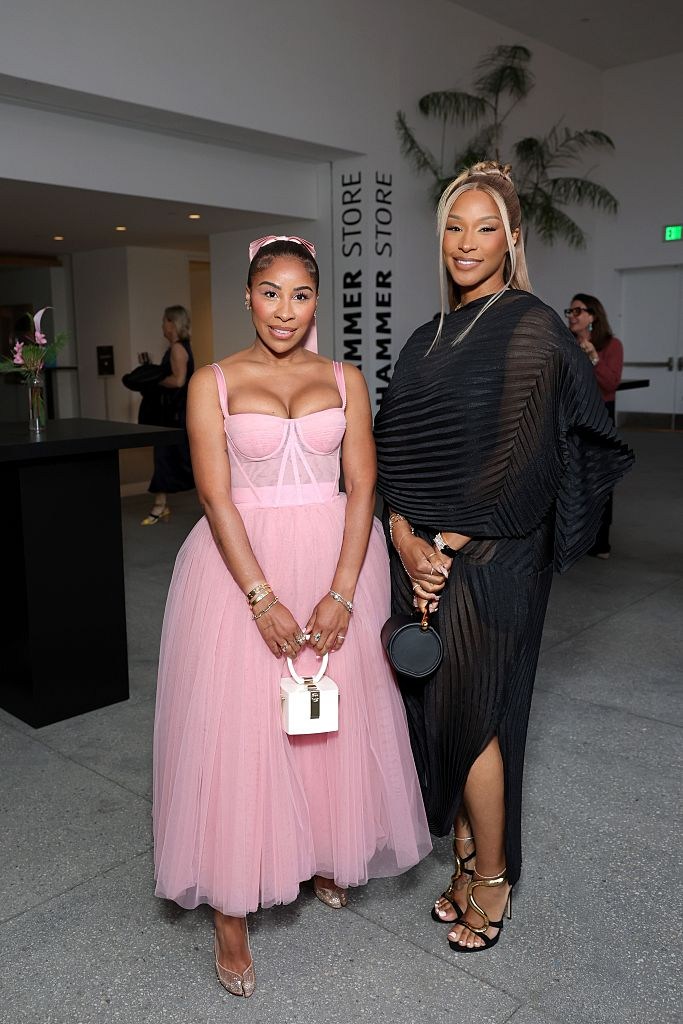
This isn’t about telling Black women what they can and cannot buy. It is about questioning why any brand gets to hold so much power over what we consider luxury in the first place. Especially when stories about Black women having to prove that they can afford to be in the room keep happening.
A Hermès bag is a choice. Carrying it is a choice. Buying it is a choice. And continuing to make it the ultimate symbol of luxury is a choice, too.
We need to start acting like it.