There Is Only One Rum Competition in the Caribbean. It Happens in St Barth.
The rums come from different islands, different languages, different soils, and different traditions. There are grassy, intensely aromatic rhums agricoles from Martinique and Guadeloupe. Long-aged molasses rums from Barbados, Jamaica, Guyana, Puerto Rico, and the Dominican Republic. Rare bottles drawn from old casks. Limited editions that never reach most retail shelves. Prestige expressions created to […] The post There Is Only One Rum Competition in the Caribbean. It Happens in St Barth. appeared first on Caribbean Journal.
 Black News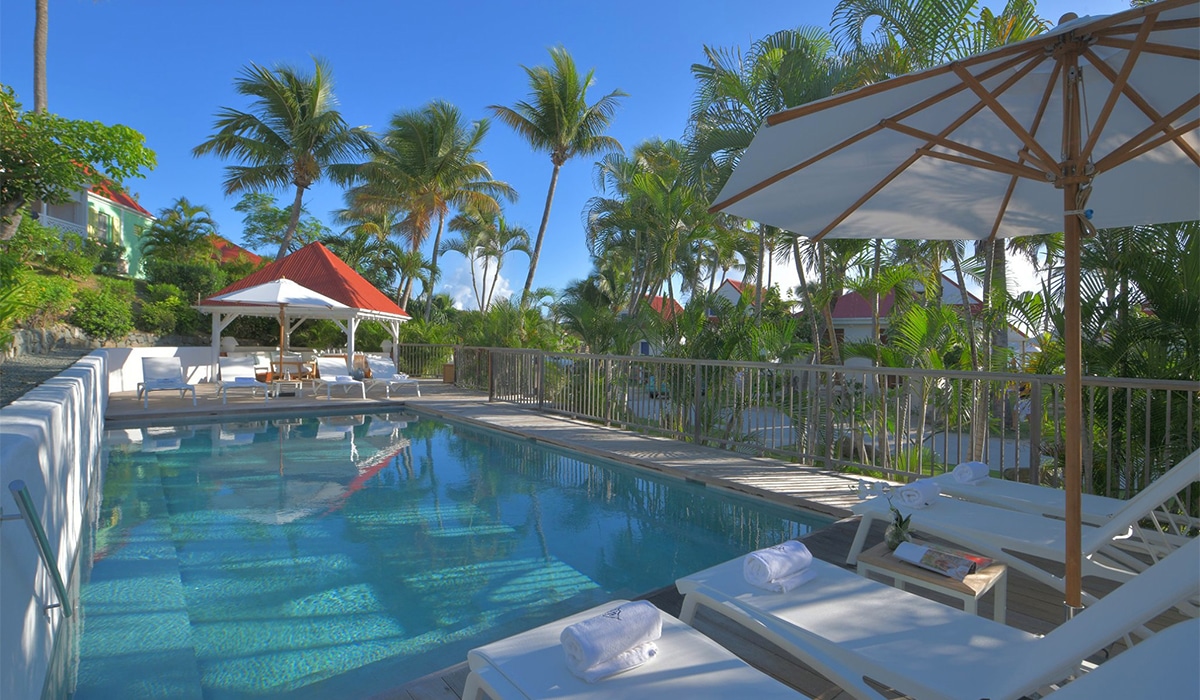

The rums come from different islands, different languages, different soils, and different traditions.
There are grassy, intensely aromatic rhums agricoles from Martinique and Guadeloupe. Long-aged molasses rums from Barbados, Jamaica, Guyana, Puerto Rico, and the Dominican Republic. Rare bottles drawn from old casks. Limited editions that never reach most retail shelves. Prestige expressions created to represent the highest level of a distillery’s work.
Once a year, they all come to the same island.
The Caribbean Rum Awards St Barth is the only rum competition held in the Caribbean that gathers the region’s leading rums in one field, places them before an international panel in a blind tasting, and crowns a champion on the soil of the region that created the spirit.
There are spirits competitions around the world. There are rum festivals in major cities. There are tasting panels in Europe and North America where Caribbean bottles are judged thousands of miles from the distilleries, sugarcane fields, warehouses, and cultures that produced them.
But there is only one competition like this in the Caribbean.
This is the Caribbean judging Caribbean rum.
And that distinction has made the Caribbean Rum Awards one of the most important gatherings in the global rum industry.
The Region’s Own Competition
Rum is inseparable from the history of the Caribbean.
Its story runs through the sugar estates of Barbados, the volcanic slopes of Martinique, the pot stills of Jamaica, the wooden stills of Guyana, the aging warehouses of Puerto Rico, and generations of distillers across the region.
Yet the most visible international medals have traditionally been awarded elsewhere.
A Caribbean producer might send bottles to London, San Francisco, Miami, New York, or another global spirits center, where rum is placed alongside whisky, cognac, tequila, gin, and vodka in sprawling competitions covering nearly every category of alcohol.
Those awards can carry weight. But rum is usually one category among many.
The Caribbean Rum Awards begins from a different premise: rum deserves its own championship, and the Caribbean deserves to host it.
The event is devoted entirely to the spirit. Its judges understand the distinctions between molasses rum and rhum agricole, between column and pot distillation, between tropical aging and continental aging, between an unaged cane-juice rum and a decades-old prestige bottling.
Every glass is considered within the wider history and diversity of Caribbean rum.
The result is a competition created around the category rather than one that simply includes it.
The Best Rums in One Field
The Caribbean does not produce a single style of rum.
It produces an entire universe.
A high-ester Jamaican rum can be intensely aromatic and full of tropical fruit. A Barbadian expression may emphasize balance, cask influence, and the interplay between pot and column distillates. A Demerara rum from Guyana carries a different weight and depth, often shaped by some of the world’s most historic stills.
Puerto Rico is known for refined, carefully aged molasses rums. The Dominican Republic has its own traditions of blending and maturation. Cuba has influenced light Spanish-style rum across the region.
Then there is rhum agricole, distilled directly from fresh sugarcane juice and most closely associated with the French Caribbean.
Agricole can express cane, vegetation, pepper, flowers, minerals, fruit, and the specific character of a parcel or harvest. Its vocabulary is often closer to wine, with producers highlighting terroir, individual fields, vintages, and the character of the raw sugarcane.
Most competitions divide these bottles into distant corners of a much larger spirits program.
At the Caribbean Rum Awards, they form the center of the event.
The competition brings together rums from across the Caribbean and the wider rum-producing world, with categories designed to respect the differences among them. White agricoles are judged alongside their peers. Aged agricoles progress through classifications including VSOP, XO, and Hors d’Age. Premium molasses rums enter their own field.
The competition then reaches its most exclusive divisions: Uber-Premium Molasses Rum and Uber-Premium Rhum Agricole, categories reserved for bottles retailing for more than $400.
These are not ordinary shelf rums. They are rare editions, long-aged releases, historic blends, and collector bottlings representing the highest ambitions of their producers.
The winners of the two divisions then face one another for the World Championship.
One is made from molasses. The other is distilled from fresh sugarcane juice. Each represents a different branch of the Caribbean rum family.
Only one becomes World Champion.
Blind Judging, Without the Marketing
Rum is a category filled with powerful stories.
There are historic estates, famous master blenders, celebrated bottle designs, age statements, special casks, family legacies, and limited releases with significant reputations.
None of those details are visible during the official judging.
The Caribbean Rum Awards competition is conducted blind, with labels, brands, bottle shapes, and marketing removed from consideration. Judges evaluate what is in the glass: aroma, flavor, balance, texture, complexity, and finish.
A famous brand receives no automatic advantage. A lesser-known distillery is not held back by a smaller marketing budget. Price may define eligibility for certain categories, but it does not determine the result.
Every rum must earn its medal.
The system has produced fields in which internationally renowned bottles compete directly against small-production expressions, independent bottlings, and releases rarely found outside their home islands.
It also creates the possibility of discovery.
A judging panel may encounter an extraordinary rum without knowing its origin until the results are complete. Producers gain recognition based on the quality of the liquid rather than the strength of the campaign surrounding it.
In an industry where presentation and storytelling carry enormous commercial power, the blind tasting returns the conversation to the rum itself.
No Entry Fees
The competition has another distinction: it is free to enter.
Many international spirits competitions operate partly through entry fees, with brands paying to submit individual bottles across multiple categories. Large producers can enter broad portfolios. Smaller distilleries must decide how many fees they can justify.
The Caribbean Rum Awards does not charge producers to enter the competition.
The policy is central to its purpose. The field should be determined by quality and relevance, not by which company can afford to submit the most labels.
Removing entry fees also helps create a more representative championship. Historic producers, independent brands, family-run distilleries, and emerging rum makers can enter the same competition without the cost becoming a barrier.
The award cannot be purchased.
A medal comes only from the judging.
Why St Barth
The setting is St Barth, an island with one of the Caribbean’s most sophisticated dining, hospitality, and spirits cultures.
The competition is not held in a convention center removed from the destination around it. It is part of a five-day celebration that takes place across the island, connecting the official judging with beachfront parties, private tastings, chef-driven dinners, and encounters with the people behind the bottles.
The 2026 edition runs from Oct. 26-30, opening with the signature White Party at Les Îlets de la Plage.
The official judging follows, with the international panel evaluating the year’s field in a closed blind tasting. The week continues with a beach celebration, an invitation-only tasting featuring the competition entries, and a concluding multi-course rum pairing dinner.
St Barth gives the event an intimacy that would be difficult to reproduce in a major city.
Distillers, judges, bartenders, collectors, chefs, writers, brand leaders, and rum enthusiasts cross paths throughout the week. A discussion that begins during a tasting can continue over dinner, beside the beach, or at one of the island’s hotel bars.
The event is exclusive without becoming detached from the spirit’s origins. The bottles may be among the rarest in the world, but they are being poured in the Caribbean, among people who understand rum as more than a luxury product.
Here, rum is history, agriculture, business, culture, and identity.
A Meeting Place for the Caribbean Rum World
Competitions are usually understood through their results.
Which bottle won Double Gold? Which distillery took the top category? Which island produced the World Champion?
Those distinctions remain central to the Caribbean Rum Awards. A medal can bring international attention to a bottle, reinforce a producer’s reputation, and introduce collectors to a rum they might otherwise never encounter.
But the week has become important for another reason.
It brings the regional rum industry together.
The Caribbean contains dozens of rum-producing territories, each with its own regulations, terminology, raw materials, distillation methods, and commercial challenges. Producers may share a geographic region while operating in very different markets.
The Caribbean Rum Awards creates a rare common room.
A Martinique agricole producer can share a table with a molasses-rum maker from Barbados. A Guadeloupe distiller can meet a Puerto Rican blender. Judges from the Caribbean, Europe, the United Kingdom, and the United States can compare traditions that are too often discussed separately.
The gathering does not try to impose a single definition of what Caribbean rum should be.
Its value comes from showing the range.
A Competition That Could Only Exist Here
The Caribbean Rum Awards began in 2018, created to recognize the region’s finest rums through a competition grounded in Caribbean knowledge and held within the Caribbean itself.
Since then, its champions have included exceptional expressions from some of the region’s most respected rum houses.
Martinique has been particularly successful in the World Championship, with bottles from Rhum Neisson, Trois Rivières, and Rhum Depaz reaching the highest level of the competition. Molasses-rum finalists have included extraordinary releases from producers connected to Puerto Rico, Nicaragua, Guyana, Barbados, and the wider Caribbean rum tradition.
Each result adds to a broader record of where Caribbean rum stands in a given year.
The medals document more than individual victories. They show the increasing quality of premium rum, the strength of agricole, the growing importance of rare and limited editions, and the willingness of distilleries to place their finest bottles into direct competition.
The event also gives rum a championship worthy of its stature.
Wine has long been discussed through appellations, terroir, vintages, estates, critics, and collectors. Whisky has global auctions, coveted releases, destination distilleries, and an established premium culture.
Rum has all of those elements, too.
It has centuries of history. It has specific places of origin. It has singular stills, individual cane fields, vintage releases, master blenders, long aging programs, and bottles valued in the hundreds or thousands of dollars.
The Caribbean Rum Awards treats rum accordingly.
The Only One
The most important fact about the event is also the simplest.
There is only one rum competition in the Caribbean.
Only one brings the region’s best rums together for a dedicated championship held in the home of rum. Only one builds a competition around both of the Caribbean’s great traditions, placing molasses rum and rhum agricole at the same level. Only one makes entry free, removes the labels, and lets an international panel decide what deserves to win.
The Caribbean has never needed another outside institution to explain the quality of its rum.
It needed its own stage.
Every October, that stage is St Barth, where the finest bottles from across the region meet in the glass and the Caribbean crowns its champion.
The post There Is Only One Rum Competition in the Caribbean. It Happens in St Barth. appeared first on Caribbean Journal.