Uganda must build a cancer system its citizens can trust
Cancer exposes one of the most uncomfortable questions facing Uganda’s health system. Why should a country aspire to become a regional centre for advanced medical care while Ugandans who can afford it still look abroad for treatment? The Uganda Cancer Institute is undoubtedly changing. It has performed two bone marrow transplants and is preparing to […] The post Uganda must build a cancer system its citizens can trust appeared first on The Observer Media Ltd.
 Black News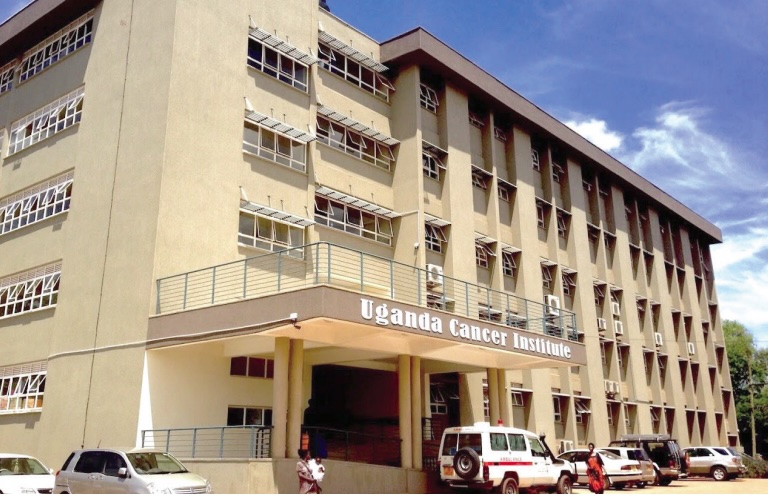

Cancer exposes one of the most uncomfortable questions facing Uganda’s health system.
Why should a country aspire to become a regional centre for advanced medical care while Ugandans who can afford it still look abroad for treatment?
The Uganda Cancer Institute is undoubtedly changing. It has performed two bone marrow transplants and is preparing to introduce a PET scan, while longer-term plans include a cyclotron and proton therapy.
The ambition is explicit: provide sophisticated treatment at home, reduce foreign referrals and eventually attract patients from elsewhere. That ambition deserves support. But machines are not a health system.
The harder test lies in what happens to the ordinary patient who arrives at UCI today. An average of 278 people seek care there daily. The institute registered 8,764 new cancer patients in the past year, 10 per cent more than in 2024, while patient visits reached 67,000.
Against that demand, UCI says it received only 59 per cent of the blood products it required. That means roughly four in every 10 of its requirements went unmet. Here lies the contradiction Uganda must confront.
It makes little sense to acquire increasingly sophisticated technology while struggling to guarantee some of the essential inputs required for everyday cancer care. Government must therefore resist the temptation to measure progress principally through buildings and equipment.
A PET scanner makes an impressive announcement. The less glamorous investments, enough oncologists, nurses and laboratory specialists; reliable blood supplies; medicines; equipment maintenance; and sustainable operating budgets, determine whether that investment actually saves lives.
Ministry of Health Permanent Secretary Dr Diana Atwine recognizes part of this problem.
“If in six months, one year, the infrastructure development that we are planning comes to pass, then it must be matched with the right human resource,” she said.
It must be matched with more than personnel. Uganda needs a cancer-care strategy built around the entire patient journey: early diagnosis, referral, treatment, essential supplies, specialist care and follow-up.
Government financing must account for the recurrent cost of operating advanced technology before commissioning new equipment. There is little achievement in installing an expensive machine that later operates intermittently because maintenance, consumables or qualified staff were not adequately planned for.
The same discipline should guide decentralization. Cancer treatment remains heavily concentrated in Kampala, forcing patients from distant districts to bear the additional costs of transport, accommodation and time away from their livelihoods and families.
UCI expects regional cancer centres to become fully functional over the next two to three years. Government should make those centres genuinely functional, rather than simply physically present.
Each needs clearly defined services, trained personnel, medicines, diagnostic capacity, blood products and dependable financing. Patients should travel to Kampala because their condition genuinely requires highly specialized care, not because basic cancer services are unavailable closer to home.
Then there is the flight abroad. Uganda cannot prevent wealthy citizens from choosing hospitals in other countries, nor should it try. The objective should instead be to make travelling abroad unnecessary for treatments that can safely and reliably be provided at home. Confidence cannot be legislated.
It must be earned through consistent outcomes, competent specialists, functioning equipment and transparent standards of care. The true measure of Uganda’s cancer revolution will come when wealth no longer determines whether a patient believes the safest option is to board a plane, and when an ordinary Ugandan can walk into the public health system confident that the diagnosis, specialist, medicine, blood and treatment they need will be there.
The post Uganda must build a cancer system its citizens can trust appeared first on The Observer Media Ltd.