‘We Need To Do Better’ — BAFTA N-Word Controversy Inspires Black Woman With Tourette’s To Speak Out
‘We Need To Do Better’ — BAFTA N-Word Controversy Inspires Black Woman With Tourette’s To Speak Out
BAFTA incident sparks debate on disability, race, and accountability. Black TikToker with Tourette's offers crucial context.
The post ‘We Need To Do Better’ — BAFTA N-Word Controversy Inspires Black Woman With Tourette’s To Speak Out appeared first on MadameNoire.
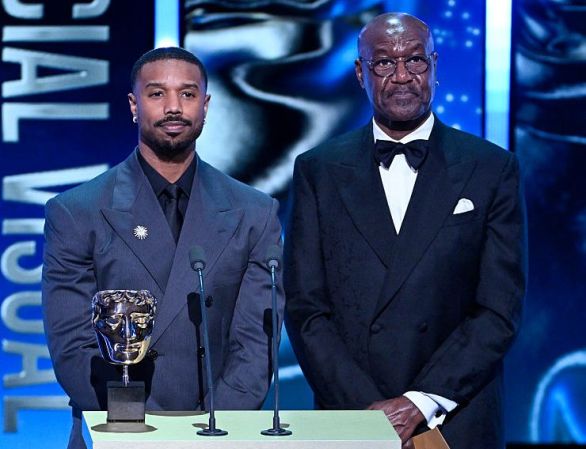
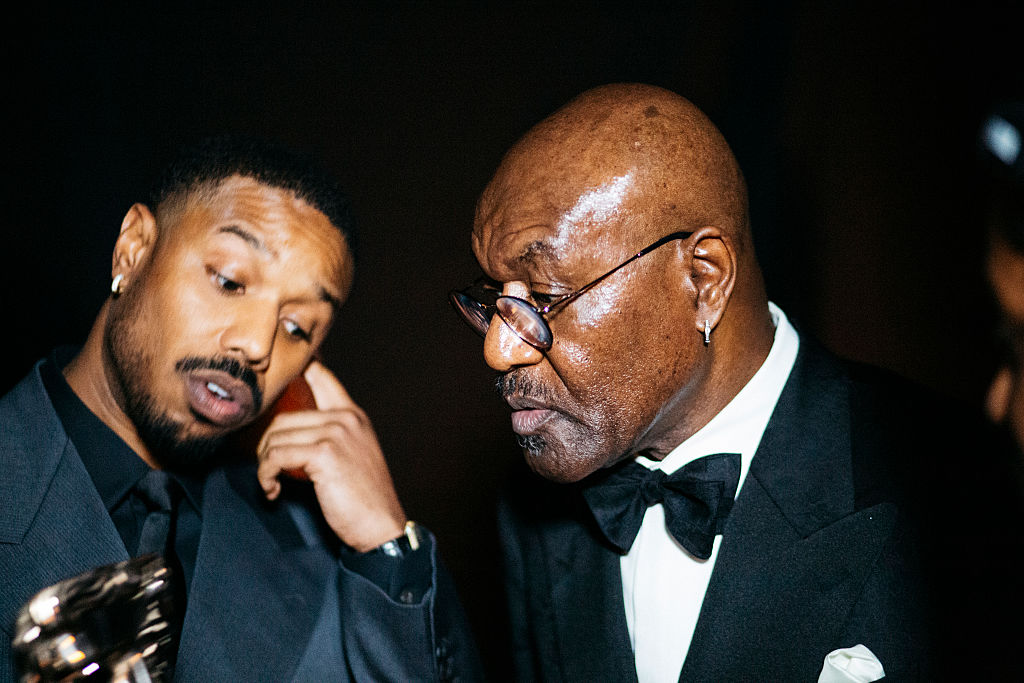
Michael B. Jordan and Delroy Lindo present the Special Visual Effects Award on stage during the EE BAFTA Film Awards 2026 at The Royal Festival Hall on February 22, 2026, in London, England. (Photo by Stuart Wilson/BAFTA/Getty Images for BAFTA)
The fallout from the 2026 BAFTA Awards is still unfolding after a shocking moment during the ceremony reignited conversations about race, disability, and accountability. Read more about the BAFTA N-wordcontroversy and how this Black woman with Tourette’s offers important context.
According to reporting fromthe Guardian, Tourette’s syndrome activist John Davidson shouted several verbal tics during the broadcast, including the N-word, while actors Delroy Lindo and Michael B. Jordan were on stage presenting the first award of the night. The incident quickly sparked outrage online and prompted responses from some of Hollywood’s most prominent voices.
Actor Jamie Foxx commented under a social media post about the controversy, writing “Unacceptable” and “Nah he meant that sh*t.” Actor Wendell Pierce also weighed in, saying it was “infuriating” that the first reaction was not a full apology directed at Lindo and Jordan. Journalist Jemele Hill echoed that frustration online, noting that Black people are often expected to absorb disrespect to spare others discomfort.
Check out her post below:
BAFTA host Alan Cumming addressed the audience twice during the ceremony, explaining that Tourette’s syndrome is a disability and that the tics heard were involuntary. A BBC spokesperson later issued a statement apologizing for the offensive language broadcast during the show. Still, critics, including production designer Hannah Beachler, called the apology insufficient, describing it as a “throwaway” response that focused on offense rather than impact.
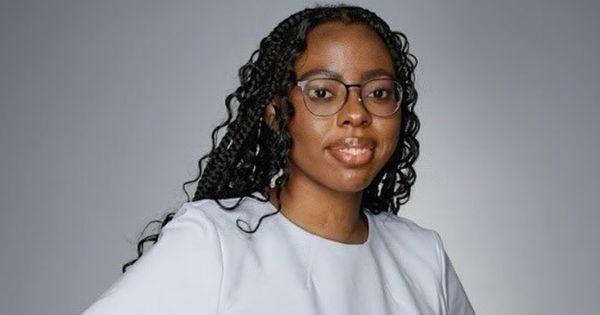
Amid the heated debate, a Black woman with Tourette’s syndrome, @sh4ysgrwm, took to TikTok to offer crucial context. In widely shared posts, she explained that coprolalia, the involuntary utterance of socially inappropriate words or slurs, affects a small percentage of people with Tourette syndrome. She stressed that while the condition can cause uncontrollable speech, that reality does not erase the harm experienced by those targeted. Her message resonated because it held two truths at once. Disability deserves understanding, and Black people deserve protection from racial harm.
Check out her post about the BAFTA incident below:
Tourette’s syndrome is a neurological disorder characterized by motor and vocal tics, and about 10 to 20% of people with the condition experience coprolalia. As outlined in the Guardian’s coverage, Davidson attended the ceremony because a film inspired by his life was nominated. But the broader conversation has shifted beyond one individual. It now centers on how institutions respond when racism and disability intersect in public spaces.
For many in the Black community, the issue is not about denying medical reality. It is about demanding accountability and care in moments that cause collective harm. The conversation continues, and so does the call for responses that acknowledge both disability advocacy and racial justice without diminishing either.
If you appreciate the "Free Daily Articles" and would like to show your one off support by making a "Donation " please click link below, and help us to keep spreading "Black News to our Diaspora."

 Black News










.png)


