Aruba Is Getting a New Nonstop Flight From Canada This Winter
Air Transat is launching a new nonstop flight from Montreal to Oranjestad, Aruba, beginning December 12. The route will operate once per week during the winter season, with flights already available for booking. The timing is deliberate. Mid-December marks the start of peak Caribbean travel for Canadian travelers, when demand for reliable sunshine reaches its highest point. This new nonstop […] The post Aruba Is Getting a New Nonstop Flight From Canada This Winter appeared first on Caribbean Journal.
 Black News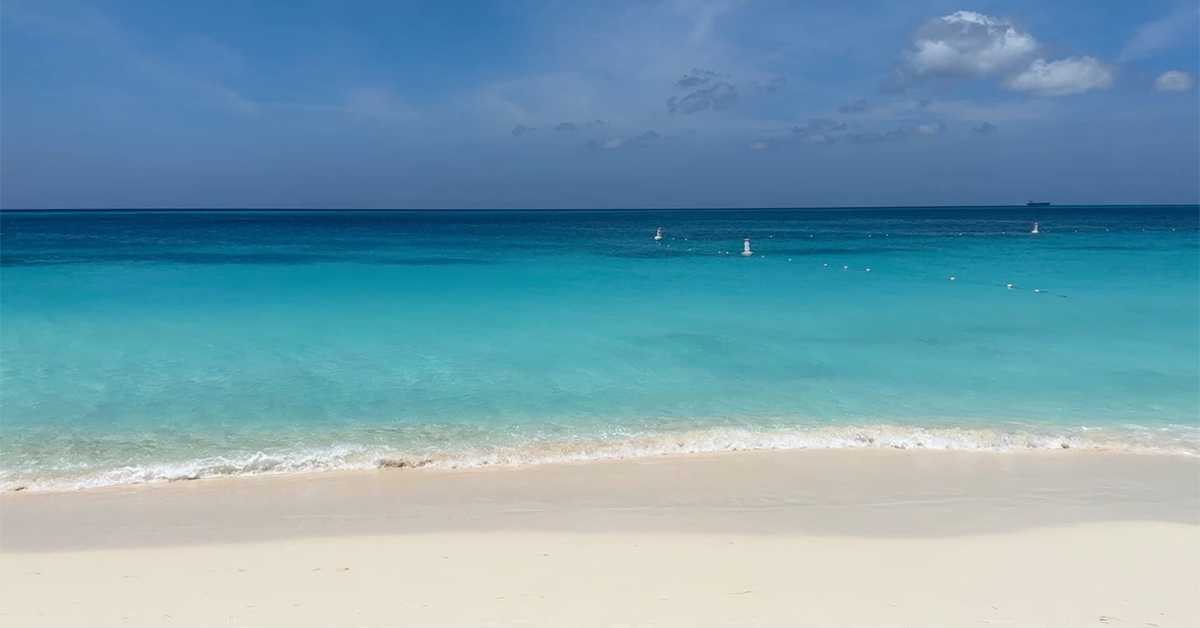
Air Transat is launching a new nonstop flight from Montreal to Oranjestad, Aruba, beginning December 12. The route will operate once per week during the winter season, with flights already available for booking.
The timing is deliberate. Mid-December marks the start of peak Caribbean travel for Canadian travelers, when demand for reliable sunshine reaches its highest point. This new nonstop option gives you a direct path from Quebec to one of the most consistent warm-weather destinations in the Caribbean, with no connections along the way.
You board in Montreal and land a few hours later in Aruba, stepping into a climate that stays warm, dry, and predictable through the winter months. Talk about seamless.
Why Aruba Keeps Drawing Winter Travelers
Aruba’s biggest advantage is consistency. The island lies outside the hurricane belt, which keeps winter travel plans steady. Daytime temperatures typically stay in the low to mid-80s Fahrenheit, and the constant trade winds keep conditions comfortable along the coast.
That combination changes how you spend your time. Beach days stretch longer. The water stays calm along much of the western shoreline, making it easy to swim or stay in the shallows without interruption. You’re not planning around weather windows; you’re filling your day at your own pace.
You’re leaving Montreal in December are stepping out of winter and into a place where outdoor time fills most of the day. It’s a clean, immediate transition.
Where You’ll Go First
Most visitors head straight to Aruba’s west coast, where the island’s best-known beaches line up one after another.
Eagle Beach stands out for its width and open feel. The sand runs wide, and there’s room to walk for long stretches without interruption. Low-rise resorts line parts of the shore, but the beach itself stays open and uncluttered. Divi Divi trees angle toward the water, shaped by the wind, creating one of the island’s most recognizable views.
A short drive north brings you to Palm Beach, where the pace picks up. Resorts rise higher here, and the beachfront stays active throughout the day. You’ll see catamarans heading out, jet skis crossing the nearshore water, and beach bars serving drinks steps from the sand. The water stays calm, and the shoreline is easy to navigate from one resort area to the next.
Oranjestad, the capital, sits just south of these beach zones. Streets lined with pastel Dutch colonial buildings lead to shops, restaurants, and waterfront views. It’s an easy place to spend an afternoon, whether you’re browsing local stores or stopping for a meal near the harbor.
What You’ll Do Beyond the Beach
Aruba’s interior adds contrast to the shoreline. Arikok National Park covers about a fifth of the island, with terrain that turns dry and rugged. Cacti rise from the ground, rock formations break up the horizon, and waves crash against the eastern coast with force.
You can drive through the park or join a guided tour, stopping at places like the Natural Pool, where volcanic rock forms a protected swimming area, or the California Lighthouse, which offers wide views across the island.
Snorkeling and diving are easy to arrange along the coast. Several shipwreck sites sit just offshore, including the Antilla, a large World War II-era wreck that draws both divers and snorkelers. Clear water and steady conditions make it approachable for a range of experience levels.
Back near the resort areas, water sports operators offer everything from paddleboarding to sailing excursions, many departing directly from the beach.
What You’ll Eat and Drink
Aruba’s food scene reflects a mix of Caribbean and international influences. Seafood anchors many menus, with grilled fish, shrimp, and lobster appearing across beachfront restaurants.
You’ll find casual spots where tables sit just off the sand, as well as more refined dining rooms in resort areas. Meals often take place outdoors, with the breeze carrying through open-air spaces.
Local dishes give you a sense of Aruba’s identity beyond the resort menus. Keshi yena, a baked cheese filled with seasoned meat, appears in several traditional restaurants. Pastechi, a fried pastry stuffed with cheese or seafood, shows up in smaller cafés and bakeries.
Evenings stay relaxed. Live music appears in many beachfront venues, and the focus stays on food, drinks, and time outside rather than formal dining.
Where To Stay
Aruba offers a wide range of accommodations, with clear differences between beach areas.
On Eagle Beach, Bucuti & Tara Beach Resort provides an adults-only experience with direct beachfront rooms. The atmosphere stays quiet, and the focus is on time at the beach. The on-site restaurant, Elements, serves Caribbean and international dishes with an emphasis on fresh ingredients and ocean views.
Also near Eagle Beach, the Embassy Suites by Hilton Aruba Resort has quickly become one of the island’s most practical choices. The property offers all-suite accommodations, giving you separate living and sleeping areas, which makes it especially appealing for longer stays or family travel. A complimentary cooked-to-order breakfast is included, along with an evening reception with drinks and snacks, adding real value over the course of a weeklong trip. The resort includes a large pool complex, multiple dining outlets, and an easy connection to the beach area, making it a strong option if you want comfort and convenience in one place.
On Palm Beach, larger resorts bring a full-service experience. The Hyatt Regency Aruba Resort, Spa and Casinooffers multiple restaurants, a large pool area, and direct beachfront positioning. The Ritz-Carlton, Aruba delivers a similar level of service, with ocean-facing rooms, dining venues, and a casino.
Choosing between these areas comes down to pace. Eagle Beach offers more open shoreline and a quieter feel. Palm Beach keeps everything close together, with more activity throughout the day and into the evening.
Why This Flight Makes a Difference
Direct flights shape travel decisions in a very practical way. Removing a connection shortens the overall trip and makes planning easier.
With this new Montreal–Aruba nonstop, a winter trip becomes more straightforward. You leave on a direct flight and arrive ready to begin your stay, rather than navigating multiple legs.
It also opens Aruba to travelers who may have focused on closer destinations in the past. A direct option brings the island within easy reach for a weeklong escape, especially during the busiest winter months.
Airlines continue to expand service to destinations that deliver reliable conditions, and Aruba fits that demand with steady weather and a well-developed tourism offering.
When To Plan Your Trip
The new flight begins December 12, 2026, placing it right at the start of the winter travel season. That period runs through early spring, when travelers from colder climates look for consistent warmth and clear skies.
Booking early gives you more flexibility with dates, especially since the route operates once weekly. Demand for winter travel builds quickly, particularly for destinations known for steady conditions.
For travelers in Montreal, this new nonstop flight creates a direct link to one of the Caribbean’s most dependable winter destinations. The result is simple: less time getting there, more time on the beach, and a trip that starts the moment you land.
The post Aruba Is Getting a New Nonstop Flight From Canada This Winter appeared first on Caribbean Journal.