Before Fashion Had an Algorithm, There Was the ’90s
At Tate Britain, Edward Enninful revisits the artists, designers, photographers, and club communities who helped shape a decade of British creativity and asks us to look more closely at whose stories we remember. Written by Teneshia Carr In the 1990s, any night out could become part of fashion history. The clothes worn to a club, […] The post Before Fashion Had an Algorithm, There Was the ’90s appeared first on Blanc Magazine.
 Black News
At Tate Britain, Edward Enninful revisits the artists, designers, photographers, and club communities who helped shape a decade of British creativity and asks us to look more closely at whose stories we remember.
Written by Teneshia Carr
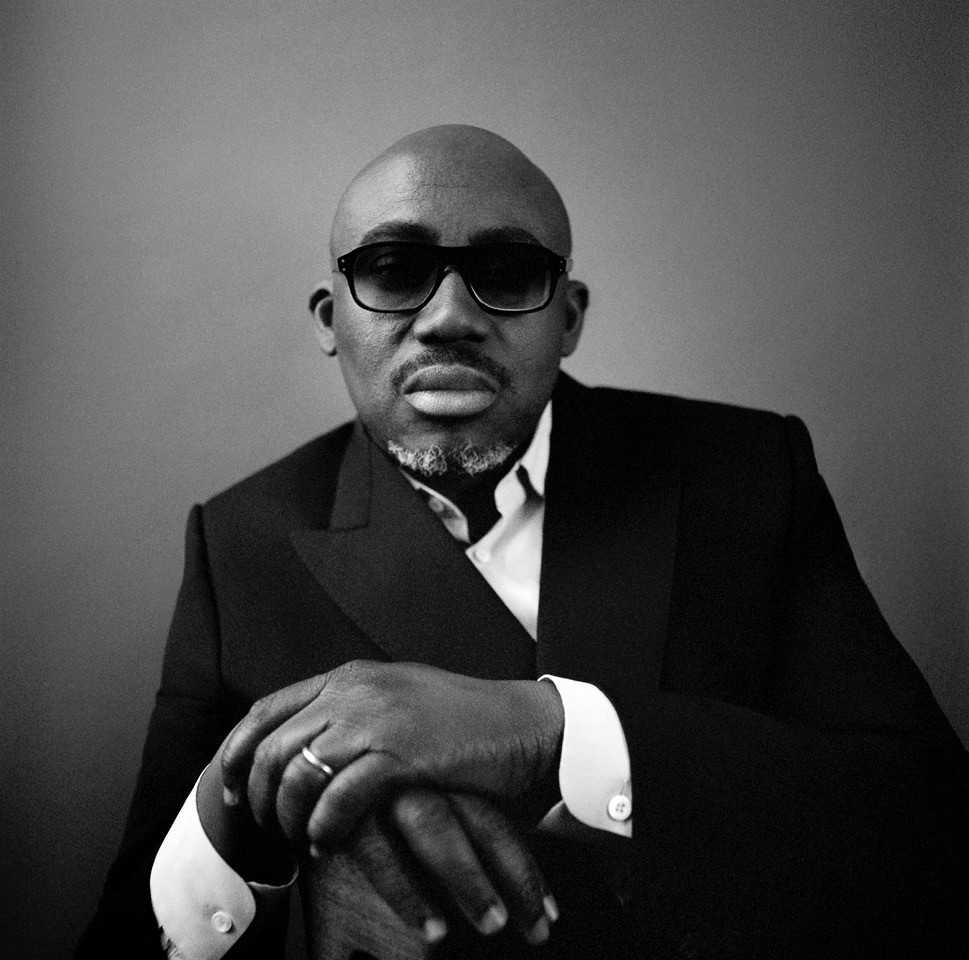
In the 1990s, any night out could become part of fashion history. The clothes worn to a club, the music filling the room and the photographs taken along the way might travel from the dance floor to the pages of a magazine, and carrying with them a new idea of what culture could look like.
That sense of exchange sits at the heart of The 90s: Art and Fashion, now on view at Tate Britain. Curated by Edward Enninful alongside a team of Tate curators, the exhibition brings together more than 100 photographs, paintings, sculptures and garments by nearly 70 artists, designers and image-makers. Through this body of work, it considers a decade when the boundaries between art, fashion, music and nightlife became increasingly porous.
For Enninful, the period is also personal. He became fashion editor of i-D at 18, entering the industry as a generation of young creatives reshaped how Britain saw itself. His perspective brings a particular intimacy to an exhibition that moves between the images that defined an era and the communities that helped create them.
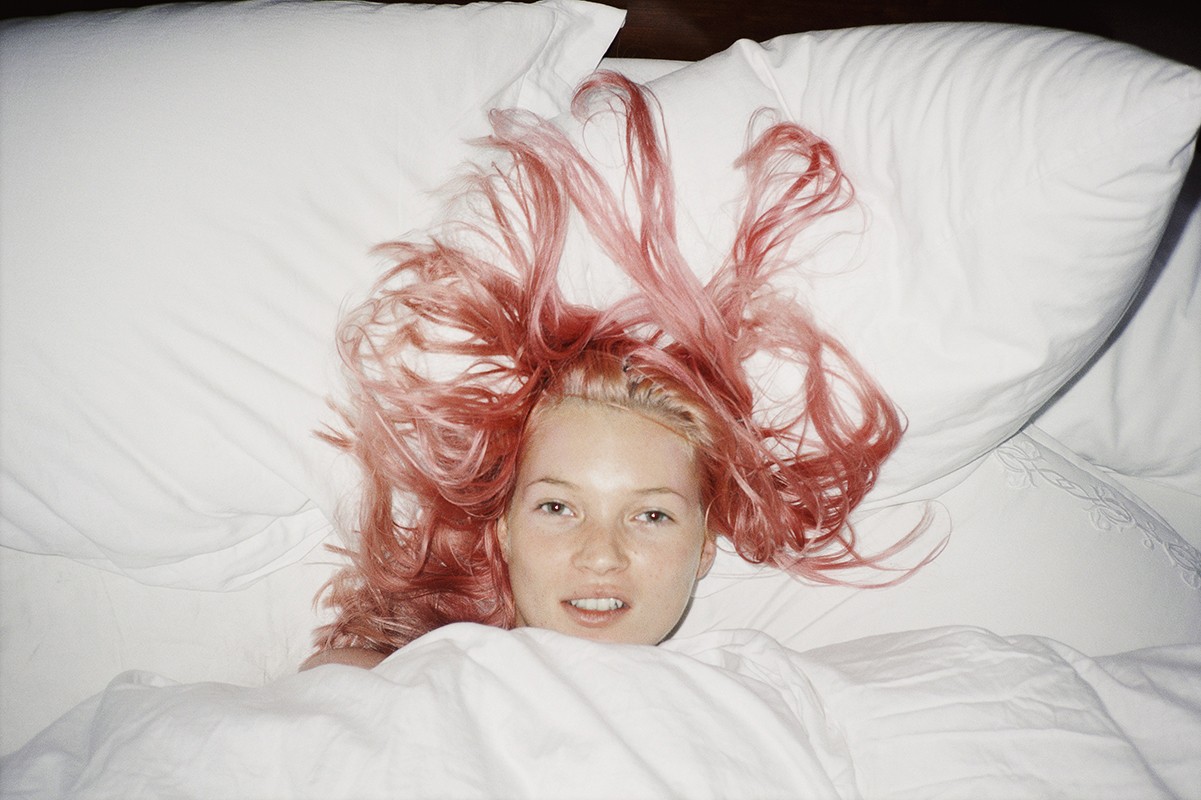
The photographs of Corinne Day, Nigel Shafran and Juergen Teller reflect an appetite for a different kind of fashion image. Their work for publications including i-D and Dazed & Confused embraced an immediacy that moved away from the polished perfection often associated with fashion photography. In their hands, ordinary settings and imperfect moments could hold their own visual power.
Growing up in Philadelphia in the ’90s, I experienced fashion through magazine pages. I remember the models whose names I came to know and whose faces I looked for season after season. The images offered a glimpse into a world that felt far away, but that I could return to each time I opened a magazine.
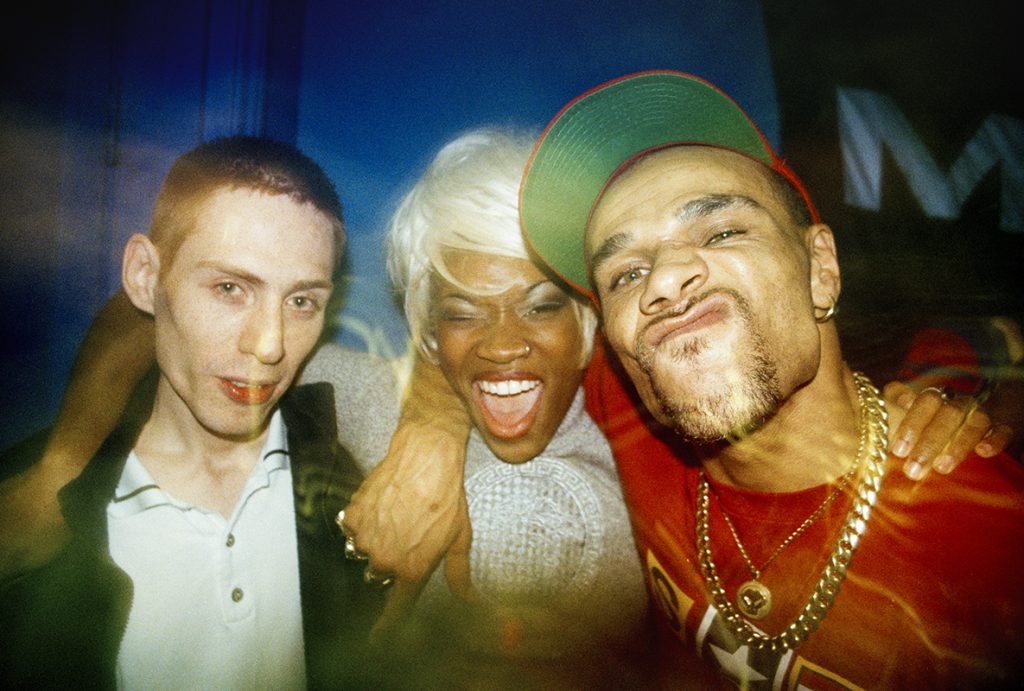
Enninful was part of the generation shaping what appeared on those pages. His work brought together models, photographers, designers, and influences from the cultural life around him, creating images that traveled well beyond the rooms in which they were made. The exhibition also includes work by Roshini Kempadoo and Eileen Perrier, whose photographs offer their own perspectives on identity and representation. Elsewhere, images of nights at Manchester’s Haçienda and London’s Bagley’s trace the music and subcultures that animated the decade. Normski and Eddie Otchere documented scenes shaped by hip-hop, jungle and drum and bass, while Poulomi Desai and others captured queer club life. These were spaces I didn’t know firsthand, but their influence traveled through the photographs, music and fashion that reached me.
The exhibition also makes room for a more complicated account of Britain in the ’90s. The optimism associated with Cool Britannia did not belong equally to everyone, and several works turn their attention to the people and histories left at the edges of that picture.
Among them is Chris Ofili’s No Woman, No Cry, a tribute connected to Doreen and Stephen Lawrence, alongside Steve McQueen’s film Bear. The exhibition also includes suits by Ozwald Boateng, runway footage from Joe Casely-Hayford and fashion photography by Koto Bolofo, placing Black British creativity within the wider story of the decade.
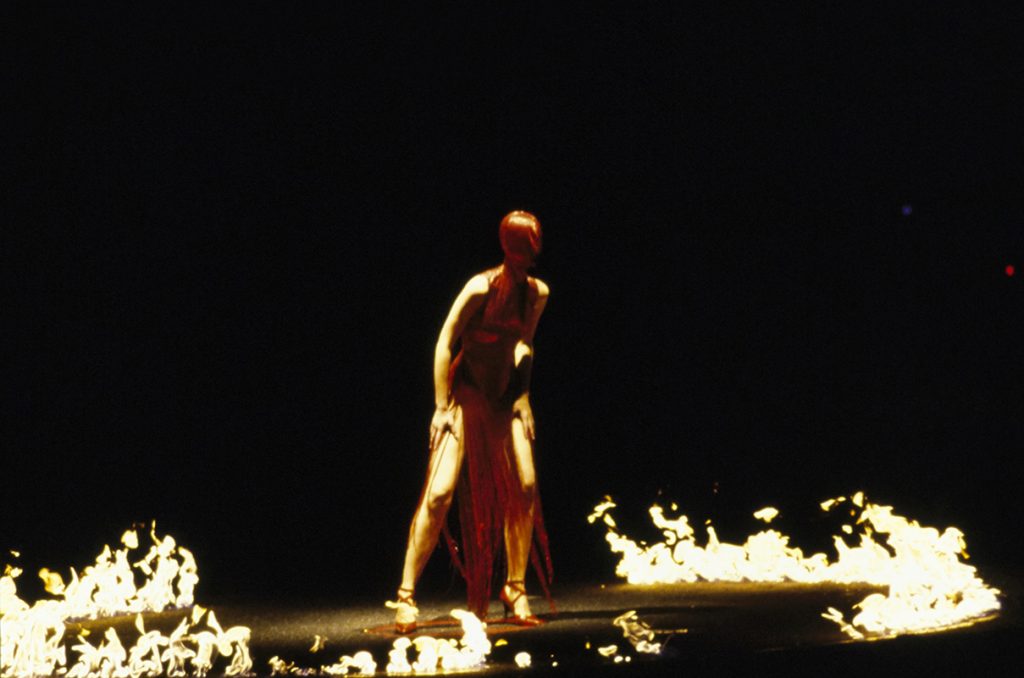
Fashion’s capacity for imagination takes many forms here. Alexander McQueen’s theatrical presentations sit within the same cultural moment as Hussein Chalayan’s concept-driven designs, while Vivienne Westwood and John Galliano draw on history to explore questions of style, class and identity. Their approaches were distinct, but each treated clothing as a way to tell a story larger than the garment itself.
Looking back at the ’90s now, it is tempting to focus on the images that have become familiar: a runway moment, a magazine cover, a photograph of a night out. The 90s: Art and Fashion invites a closer look at the people, spaces, and conversations behind those images. It reminds us that culture takes shape through relationships, and that how we remember a decade depends on whose work we choose to see.
The 90s: Art and Fashion is on view at Tate Britain in London through February 14, 2027.
Find exhibition and ticket information here.
The post Before Fashion Had an Algorithm, There Was the ’90s appeared first on Blanc Magazine.