Drought concerns grow as rainfall deficits persist
The Director of Meteorological Services, Vigil Saltibus, is warning of possible drought conditions in Saint Lucia as rainfall deficits persist, even as the island remains in the wet season. Speaking at a press conference facilitated by the Water and Sewerage Company (WASCO) on Wednesday, Saltibus said rainfall is forecast to remain low over the next […] The article Drought concerns grow as rainfall deficits persist is from St. Lucia Times.
 Black News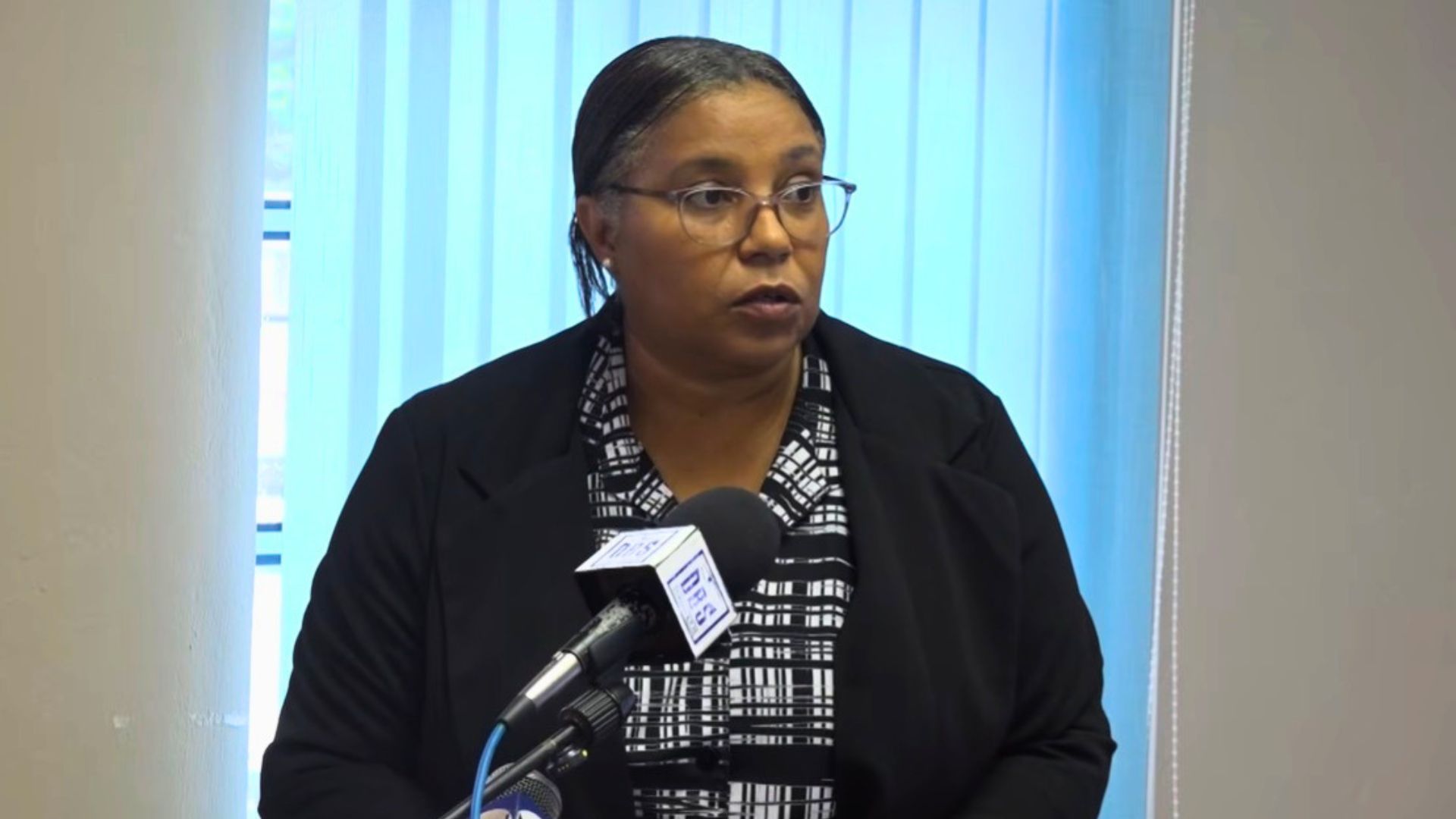
The Director of Meteorological Services, Vigil Saltibus, is warning of possible drought conditions in Saint Lucia as rainfall deficits persist, even as the island remains in the wet season.
Speaking at a press conference facilitated by the Water and Sewerage Company (WASCO) on Wednesday, Saltibus said rainfall is forecast to remain low over the next three months, while temperatures are expected to remain high in October.
She noted that Saint Lucia has experienced isolated periods of heavy rainfall, including from the tropical wave on Monday, October 5. However, overall rainfall levels have remained low in recent months, with deficits more pronounced in the south than in the north.
Although the wet season runs from June to November, Saltibus said Saint Lucia is approaching the end of the season with concerns about water availability as the dry season approaches.
Building on similar concerns raised in August about the influence of El Niño on weather patterns, Saltibus said the continued lack of rainfall could compound drought concerns.
“Drought, which is of great concern to us, still poses a lot of concern as we are now on the back end of our wet season and…will be transitioning into the dry season pretty soon,” Saltibus said.
Saint Lucia typically transitions into the dry season in December.
Saltibus also raised concerns about reservoir levels and general water stress, noting that the island is currently in the period when reservoirs would normally be replenished ahead of the dry season.
“….We’re in the peak wet season; that is when we’re supposed to get our recharge of our reservoirs going into the dry season. That remains at an all-time low,” she said.
Regarding the hurricane season, Saltibus said storm activity was lower during the first half of the Atlantic hurricane season, which runs from June 1 to November 30, and attributed this in part to El Niño.
“That is because it creates a very unfavourable environment for storm development…. It’s suppressing storm activity and increasing global atmospheric pressures at the same time,” she said.
However, she cautioned that the latter part of the hurricane season still requires vigilance, pointing to Hurricane Tomas, which struck Saint Lucia in October 2010.
October is also typically the second-highest month for hurricane activity during an average Atlantic hurricane season.
Saltibus said unusually high temperatures are also expected to continue, with the conditions being linked in part to El Niño.
“Our heat season typically starts about April, thereabout, but it peaks in September, and then it’s going to stay around the high area in September and October,” she said.
She noted that the persistent heat could increase demand for cooling as homes, buildings and other facilities seek to manage higher temperatures.
The article Drought concerns grow as rainfall deficits persist is from St. Lucia Times.