Elon Musk launches fresh attack on South Africa’s telecom rules, alleges bribery in Starlink dispute
Billionaire entrepreneur Elon Musk has reignited tensions with South Africa, launching a fresh attack on the country’s telecoms regulatory framework while alleging bribery in an ongoing dispute over the rollout of Starlink.
 Black News



Billionaire entrepreneur Elon Musk has reignited tensions with South Africa, launching a fresh attack on the country’s telecoms regulatory framework while alleging bribery in an ongoing dispute over the rollout of Starlink.
- Elon Musk has criticized South Africa's regulatory environment, claiming discriminatory rules prevent Starlink from being licensed.
- Musk alleges that Starlink was asked to misrepresent its ownership or pay bribes to bypass local race-based ownership requirements.
- South Africa's Broad-Based Black Economic Empowerment (B-BBEE) policies require foreign firms to meet local ownership quotas favoring historically disadvantaged groups.
- Musk argues these rules block companies that don't meet specific racial criteria and deter foreign investment, especially in critical sectors like telecommunications.
In a post on X, Musk said Starlink has been unable to secure approval to operate in South Africa because of local ownership rules tied to race.
He further alleged that the company had been offered opportunities to bypass these requirements by misrepresenting its ownership structure - claims that, if substantiated, could raise serious concerns about South Africa's regulatory integrity.
“We were offered many times the opportunity to bribe our way to a license… but I have refused to do so on principle,” Musk said, adding that “racism should not be rewarded no matter to which race it is applied.”
"Shame on the racist politicians in South Africa. They should be shown no respect whatsoever anywhere in the world and shunned for being unashamedly RACISTS!" Musk added.
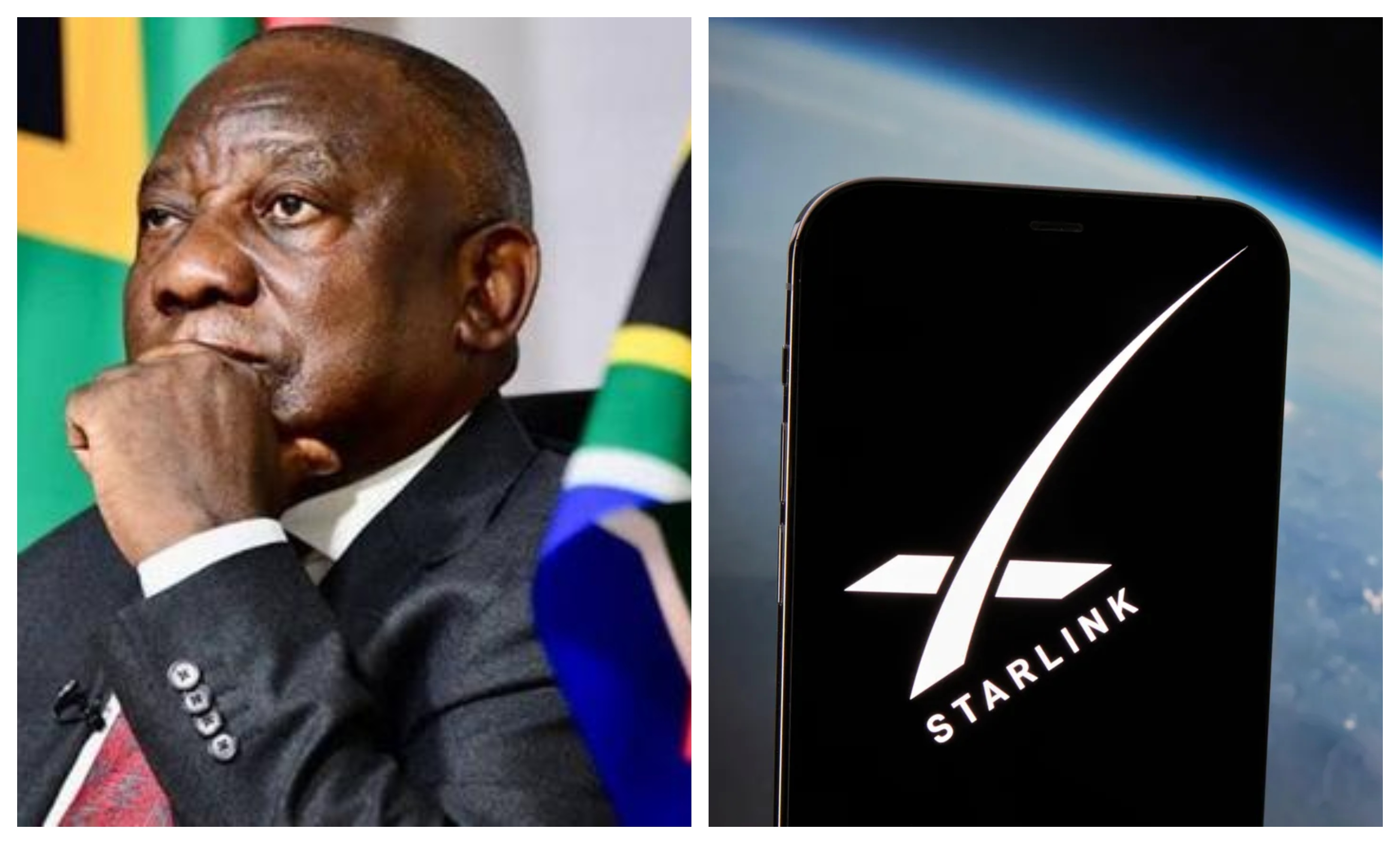
Starlink faces mounting regulatory barriers in South Africa
South Africa’s telecommunications sector is governed in part by Broad-Based Black Economic Empowerment (B-BBEE) policies, which aim to increase participation of historically disadvantaged groups in the economy.
In practice, this often requires foreign companies to meet local ownership or partnership thresholds before receiving operating licences.
Musk, who was born in Pretoria, has been increasingly vocal in his opposition to these rules, arguing that they unfairly block companies that do not meet specific racial ownership criteria.
His remarks have reignited debate over whether South Africa’s transformation policies are deterring foreign investment in critical sectors such as telecommunications.
Starlink, operated by SpaceX, has expanded rapidly across Africa, offering satellite-based internet in countries with limited broadband infrastructure. However, South Africa remains one of the continent’s largest economies where the service has yet to receive full regulatory approval.
South African authorities have not formally responded to Musk’s latest allegations. Government officials have consistently maintained that all companies must comply with national laws and empowerment policies to operate in the country, framing B-BBEE as a necessary tool to address deep-rooted economic inequalities.