From Diaspora to Diplomacy: African Australians Take Their Place in the Conversation
Perth has become a meeting point for Australia and Africa this week, with the Australia–Africa…
 Black News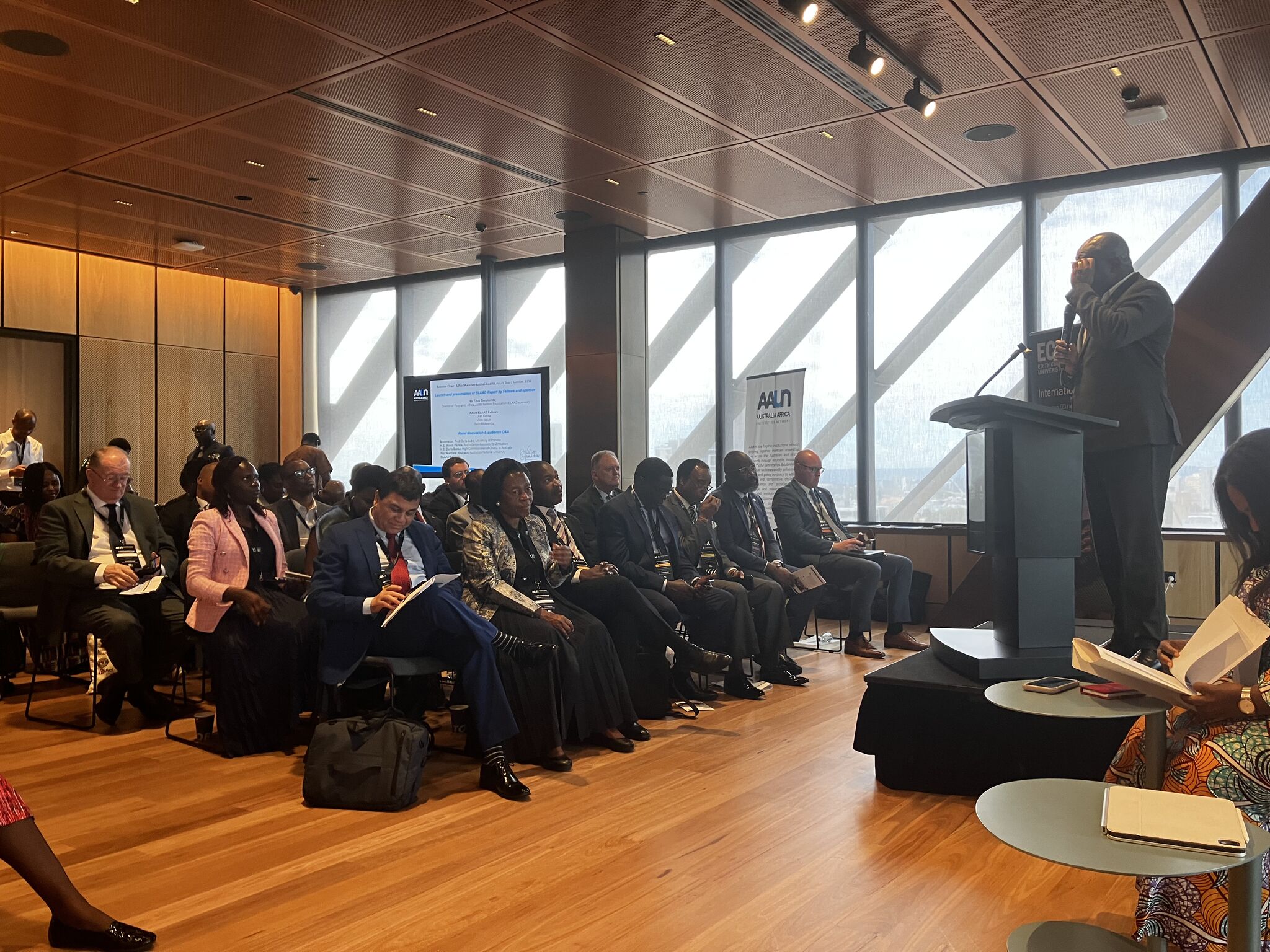

Perth has become a meeting point for Australia and Africa this week, with the Australia–Africa Universities Network (AAUN) Forum bringing together academics, diplomats, researchers and other stakeholders to examine how ties between the two regions can develop in the years ahead.
Held on 1 September 2026 at Edith Cowan University’s City Campus, the forum formed part of Africa Week in Perth and provided a platform for discussion around higher education, research, diplomacy and the growing role of African communities in Australia. AAUN’s annual forum is designed to bring researchers and policymakers together to advance Australia–Africa higher-education partnerships.
One of the significant features of the forum was the participation of African diplomatic representatives and other leaders from across the continent. Their presence reflected the increasingly diverse channels through which Australia–Africa relations are developing, extending beyond government-to-government engagement into universities, research institutions, professional networks and diaspora communities.

Participants at the AAUN 2026 Forum
Professor Farida Fozdar, one of the researchers involved in the project, has argued that African communities in Australia are too often viewed through a “deficit lens”, with public discussion concentrating on disadvantage rather than their broader contributions. She stated “the research aims to extend understanding of how African Australians “exercise their agency” and contribute to Australia and their countries of origin”.
The forum also gave emerging scholars and diplomats an opportunity to contribute to the conversation through the Emerging Leaders in Australia-Africa Diplomacy (ELAAD) Program. The program brings together postgraduate students and early- to mid-career diplomats from Australia and Africa, with the goal of developing knowledge, professional skills and new policy ideas around the relationship between the two regions.

That emphasis on younger leaders has significance beyond diplomacy. Students and early-career professionals are among the people most likely to experience Australia–Africa connections through education, research, migration and employment. Developing networks between institutions in both regions can create pathways for knowledge exchange, research collaboration and future professional opportunities.
Universities are already playing a broader role in that relationship. Curtin University, for example, describes its work in Africa as encompassing research, education and training, while its Centre for Australia–Africa Relations works with government, industry and diaspora communities to strengthen links between Australia and Africa.
For the African communities living in Australia, the significance of forums such as this ultimately rests on whether high-level discussions lead to practical outcomes. Stronger university partnerships can mean new research opportunities, greater student mobility, improved recognition of knowledge and expertise, and more avenues for African Australians to participate in Australia’s international engagement. The Perth forum therefore represents not simply a gathering of institutions, but part of a wider conversation about how people, knowledge and opportunities can move more effectively between Australia and Africa.
J.D. Sharady | AMA contributor