How AI can undermine due diligence in live deals
AI can save time in due diligence, but unchecked edits and questions can confuse advisers, delay deals and undermine investor confidence The post How AI can undermine due diligence in live deals appeared first on Elite Business Magazine.
 Black News
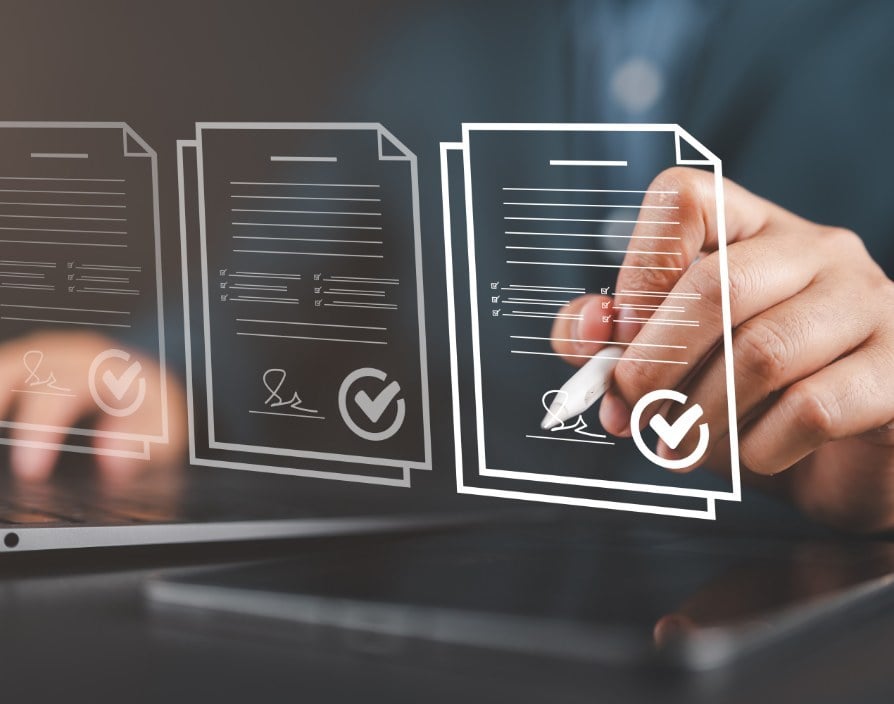
AI is transforming how businesses work, and the legal and investment sectors are no exception. At Allin1 Advisory, we are founders as well as solicitors, so we welcome anything that saves time and reduces admin. But there is a significant difference between using AI as a tool and over-relying on it without understanding its limitations or properly analysing its results.
Used well, AI can organise documents, summarise long agreements and help you prepare for investment or sale. But we have seen enough live transactions to know where it goes wrong. Having worked through hundreds of deals, I understand both sides of this debate. AI used without legal oversight, commercial context or, most often, disclosure to the people managing the deal can cause confusion, delays and errors.
This is the first of two articles on what we have seen. It covers three recurring problems: documents changed by clients using AI, advisers buried in AI-generated questions, and investors losing confidence.
The contract that changed without anyone telling us
The most common scenario is a founder uploading an agreement into an AI tool and asking it to simplify, improve or tidy up the wording. They hope to save time and money.
When a business seeks investment or prepares for sale, due diligence allows the investor or buyer to understand what they are acquiring, the risks involved and whether the opportunity is commercially sound. It requires accurate records, consistency across agreements, a clear understanding of the business’s operations and a credible explanation of any risks or gaps. It involves much more than uploading documents into a data room.
AI can help identify inconsistencies and organise documents. But it does not automatically understand the commercial reality or people behind the paperwork, the history of a relationship, why a clause was negotiated or the implications of changing it. Every clause in a properly drafted agreement is there for a reason; AI may not know what that reason is or what the business would lose without the protection. In rewrites we have seen, clauses on liability, termination, confidentiality or IP ownership have disappeared because the tool judged them repetitive. In the worst cases, agreements have been rewritten to favour the other party — an employee or director — rather than the company, as intended.
The real danger is not the AI edit itself. It is the silence around it. We have had clients change documents we had already reviewed without tracking the changes or mentioning them. We believed the agreed version was untouched and populated the data room. The investor’s lawyers were reading materially different copies, causing confusion in negotiations and sometimes embarrassing arguments as parties talked at cross-purposes.
When the investor starts to doubt the paperwork
In one transaction, a client used AI to redraft documents and circulated them without flagging what had changed. Clauses from earlier drafts were missing. By the time we realised the data room had been changed, the investor’s solicitors had raised concerns. As a result, we now have to assert control over documents from start to finish.
From the investor’s side of the table, the initial impression was that the legal work was unreliable. The reality — that the founder had changed the documents without advice — offered little comfort. An investor cannot be expected to work out which edits came from the legal team and which came from elsewhere, and loses faith and certainty either way.
Trust is an asset in a deal, and once dented, it is hard to rebuild. A founder trying to be efficient can make their own advisers look careless and leave the investor wondering what else in the data room cannot be relied on. We have protections in place to counter this, but second-guessing your own client isn’t productive; due diligence is a team effort.
The question list nobody understands
The second pattern is more mundane, but it costs real time. Clients run large volumes of documents through AI and come back with long lists of queries. Many are repetitive, some are based on a misreading of the legal issue, and a few are simply confusing.
We are not against clients asking questions. We want founders to understand their business and what they are signing. The problem is when AI output is treated as authoritative without the user knowing what it means or whether it matters.
We then have to work out what the question is really asking, return to the documents that produced it, find the assumption behind it and explain which issues genuinely matter. That is an extra layer of work on a tight timetable, when the founder’s attention should be on running the business. Instead of speeding things up, it creates delay. Again, you can feel like you’re on different sides rather than working together.
AI should help you ask better questions. It should not produce an ever-growing list of issues that no one fully understands.
Keeping control of versions
A related problem is version control. We regularly see a founder’s original, our revised draft, an AI-generated version and the document finally sent to the investor sitting in different places without clear labels. Different AI sessions can also give different answers to the same due diligence question, leading to inconsistent disclosures.
A deal needs one authoritative record of what has been changed, who approved it and what is still open. AI does not provide that discipline. People do.
The short version
We are not telling founders to avoid AI. If you take only one thing from this article, make it this: tell your advisers when AI has touched a document or produced a question. Use tracked changes, keep a controlled master copy and let your legal team see everything before it reaches the other side. Most of the damage we have seen would have been avoided by a single email.
In Part 2, we look at the higher-stakes risks: backdated documents, confidentiality and misleading answers, and how to set sensible rules for using AI safely.
Key takeaways
- Tell your legal advisers whenever AI has edited a document or generated due diligence questions.
- AI can organise documents and flag inconsistencies, but it cannot reliably understand commercial context or why clauses were negotiated.
- Untracked AI edits can remove important protections and leave inconsistent documents in the data room.
- Unexplained changes can undermine investor confidence, even when a founder made them without legal advice.
- Keep one controlled master copy, use tracked changes and have your legal team review documents before sharing them.
The post How AI can undermine due diligence in live deals appeared first on Elite Business Magazine.