BLACK IN TIME: GEORGE E. JOHNSON – THE MAN WHO BORROWED A VACATION AND BUILT AN INDUSTRY
By Moses Chibuike Ezechukwu From a rejected business loan to building one of America’s most influential Black-owned beauty empires, George E. Johnson’s extraordinary journey remains a powerful reminder of what determination, innovation and belief can achieve against the odds. A Dream That Almost Never Got Funded Sometimes, the beginnings of extraordinary businesses are found in […]
 Black News
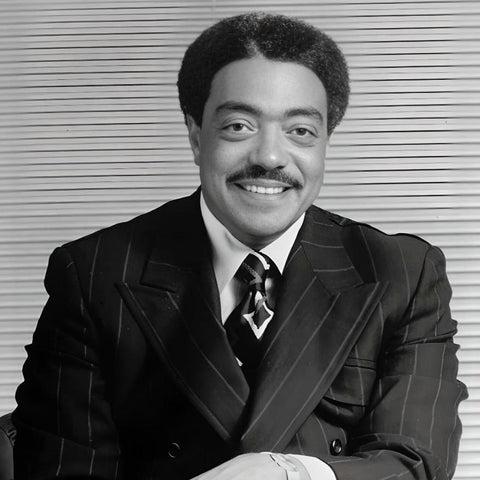
By Moses Chibuike Ezechukwu
From a rejected business loan to building one of America’s most influential Black-owned beauty empires, George E. Johnson’s extraordinary journey remains a powerful reminder of what determination, innovation and belief can achieve against the odds.
A Dream That Almost Never Got Funded
Sometimes, the beginnings of extraordinary businesses are found in the most unexpected places. For George E. Johnson, the foundation of an empire was laid not in a wealthy investor’s office or a prestigious financial institution, but through an unusual loan application involving a holiday that never happened.
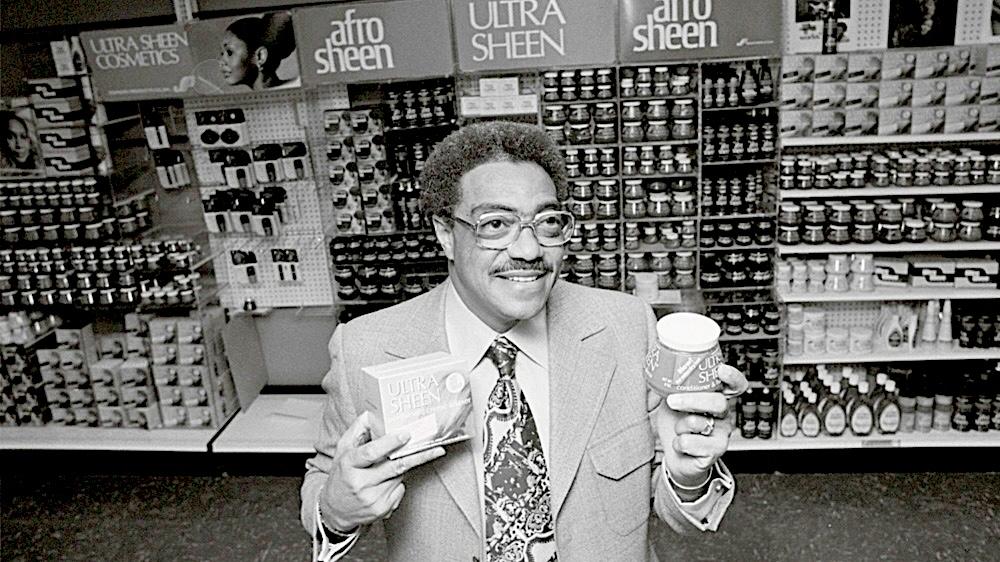
In 1954, Johnson was a young Black entrepreneur in Chicago with a business idea he believed could transform the haircare industry. He needed just $250 to get started.
However, when he approached a lending institution and explained his intention to establish a manufacturing business, his proposal was dismissed.
The loan officer reportedly considered the idea unrealistic. But Johnson was not prepared to accept rejection as the final chapter of his ambition.
He returned to another branch of the same lending company, only this time, he presented a different reason for needing the money. Rather than explaining his manufacturing plans, he told the loan officer that he wanted to take his wife, Joan, on a vacation to California.
The application was approved.
The couple never travelled to California. Instead, the money became part of the foundation for what would eventually grow into Johnson Products Company, one of the most influential Black-owned beauty businesses in American history.
It was an unusual beginning, but the man behind it had spent years preparing for that opportunity.
From Mississippi Poverty to Chicago’s Working Streets
George Ellis Johnson Sr. was born on June 16, 1927, in Richton, Mississippi. His early childhood was shaped by poverty and the difficult circumstances confronting Black families in the American South.
In 1929, his mother, Priscilla, moved with her children to Chicago during the Great Migration, a period when millions of African Americans left the South in search of better economic opportunities and freedom from racial discrimination.
Life in Chicago was hardly easy.
Johnson understood the value of hard work from an early age. He shined shoes, delivered newspapers, collected bottles and took on other jobs to help support his family.
He eventually left Wendell Phillips High School before completing his education to work full-time.
Among his early jobs were working as a busboy and setting pins in a bowling alley.
These were not glamorous occupations, but they taught him discipline, responsibility and the importance of earning a living.
His circumstances might have suggested a limited future. Johnson, however, was already developing the determination that would later define his business career.
The Experience That Changed Everything
In 1944, Johnson joined Fuller Products, a cosmetics company established by Black businessman Samuel B. Fuller.
He initially worked in sales, travelling from door to door and introducing customers to the company’s products. Over time, he became increasingly interested in the manufacturing side of the business.
He eventually moved into the laboratory, where he gained practical experience in developing and producing cosmetics.
It was there that Johnson began to recognise an opportunity that larger manufacturers had largely overlooked: the need for effective haircare products specifically designed for Black consumers.
Working alongside chemist Herbert Martini, Johnson helped develop a gentler hair-straightening formula after a Chicago barber approached Fuller Products with an idea for improving existing products.
The formula became Ultra Wave.
The experience gave Johnson something more valuable than a business idea. It gave him technical knowledge, industry experience and the confidence to build something of his own.
When Fuller Products did not pursue the opportunity, Johnson saw the possibility of establishing an independent company.
Building an Empire With Limited Resources
Johnson Products Company was established in Chicago in 1954 by George and Joan Johnson.
The $250 vacation loan was crucial, but it was not the company’s only initial funding. Johnson also received another $250 from a friend, giving the new venture approximately $500 in starting capital.
The early days were challenging. There was no wealthy corporate backing, established distribution network or guarantee that customers would embrace the products.
Johnson and Joan had to build the business from the ground up.
Their first major product, Ultra Wave, targeted Black men who wanted a more effective hair-straightening solution.
The company subsequently expanded its product range, introducing Ultra Sheen in 1957 and later developing other products that would become familiar names in Black households.
However, one product would eventually become particularly associated with a cultural movement that was changing how Black Americans viewed themselves.
Afro Sheen and the Black Is Beautiful Movement
By the late 1960s, attitudes towards Black identity, culture and appearance were undergoing a significant transformation in the United States.
The Black Is Beautiful movement encouraged African Americans to embrace their natural features, hairstyles and cultural heritage at a time when mainstream beauty standards frequently excluded them.
Johnson Products understood the importance of this cultural shift.
The company introduced Afro Sheen, a product that became closely associated with the growing popularity of natural Black hairstyles, particularly the Afro.
Its advertising did more than promote haircare. It presented Black beauty as something deserving of recognition, celebration and commercial investment.
For many consumers, seeing products specifically created for their hair and marketed through images that reflected their identity was significant.
Johnson had recognised that an underserved community represented not just a social concern but also a substantial business opportunity.
Afro Sheen became one of the company’s most recognisable brands, helping establish Johnson Products as a household name.
From Haircare to Wall Street
Perhaps the most remarkable achievement in Johnson’s business journey came in 1971.
That year, Johnson Products became the first Black-owned company listed on the American Stock Exchange, marking a historic milestone in American corporate history.
At a time when Black entrepreneurs faced considerable obstacles in accessing finance, corporate networks and investment opportunities, the achievement carried significance far beyond the company’s financial performance.
It demonstrated that a Black-owned manufacturing company could compete at the highest levels of American business.
Johnson had moved from being a young man whose business loan application was rejected to leading a publicly traded company.
His success also extended into television and entertainment.
Johnson Products became the first national sponsor of the popular television programme Soul Train, helping connect its products with a wider Black audience.
The relationship became an important part of the programme’s commercial success and helped make the company’s brands even more visible.
A Businessman Who Believed Employees Deserved More
Johnson’s legacy was not built entirely around products and financial achievements.
He also developed a reputation for placing importance on employee welfare.
Johnson Products introduced employee benefits that included healthcare provisions and profit-sharing arrangements, reflecting his belief that the people responsible for building a company should also participate in its success.
Beyond haircare, Johnson expanded his business interests and became involved in banking, establishing Independence Bank in 1964.
He also supported educational initiatives and scholarship programmes, helping young people access opportunities that might otherwise have remained beyond their reach.
His approach to business was influenced by a principle he frequently emphasised: treating people with the same respect and fairness one would expect for oneself.
An Enduring Legacy
George E. Johnson Sr. died in Chicago on July 6, 2026, at the age of 99.
His passing marked the end of an extraordinary life, but the story of what he built continues to resonate.
Johnson Products was eventually sold in 1993, reportedly for more than $60 million. Yet the company’s historical significance cannot be measured by its eventual sale price alone.
It helped transform the Black haircare market, created economic opportunities, challenged racial barriers in corporate America and demonstrated the commercial importance of serving consumers who had long been overlooked.
For African entrepreneurs, particularly those operating in markets where access to capital remains a persistent challenge, Johnson’s experience offers an important lesson.
A lack of financial support does not necessarily mean an idea lacks value. Sometimes, the institutions rejecting an entrepreneur simply fail to recognise the opportunity in front of them.
Johnson’s story is also a reminder that successful businesses are not built through ambition alone. They require knowledge, patience, an understanding of consumers and the willingness to keep moving when the first door closes.
The man who could not secure $250 to establish a manufacturing business eventually built an industry-defining company.
He asked for a business loan and was refused. He asked for a vacation loan and received it.
He never took the vacation.
Instead, he built something that outlived the holiday he never had.
And that may be the most remarkable part of George E. Johnson’s story.
#GeorgeEJohnson #JohnsonProducts #AfroSheen #UltraSheen #BlackHistory #BlackEntrepreneurs #BlackBusinessHistory #AfricanEntrepreneurs #BusinessLegacy #Entrepreneurship #BlackIsBeautiful #NigeriaMagazine