Justice Jaiteh rejects defense request to compel 5 witnesses in trial over alleged rape of male minor
Delivering a detailed ruling on Monday, June 8, 2026, Hon. Justice Ebrima Jaiteh dismissed the defence application for witness summonses under Section 160 of the Criminal Procedure Act, 2025, describing the request as unsupported by sufficient particulars. The application, made by Defence Counsel F.C. Anyanwu during the continuation of the defence case, sought court orders compelling the attendance of Musa Secka, Amadou Kebbeh, Muhammed Lamin Jarju, Ebrima Drammeh, and Ebrahim Luke Silver to testify on behalf of the accused. Although State Counsel M. Sarr did not oppose the application, Justice Jaiteh held that the absence of an objection from the prosecution did not relieve the court of its responsibility to ensure that the legal requirements for issuing witness summonses had been met. In his ruling, the judge emphasized that the court's power to compel citizens to appear as witnesses is not automatic and can only be exercised where there is a demonstrated basis for believing that the proposed witnesses possess material evidence or relevant documents necessary for the determination of the case. "The statutory threshold is that it must first be made to appear to the Court that the proposed witness is capable of giving material evidence," Justice Jaiteh stated. The court found that the defence had merely provided the names of the five individuals without explaining the nature of the evidence they were expected to give or identifying any facts in dispute to which their testimony would relate. Justice Jaiteh noted that the defence failed to indicate whether any of the proposed witnesses possessed documents, recordings, photographs, electronic data, or other evidence relevant to the proceedings. The judge further observed that none of the five individuals had provided statements to police investigators during the investigation of the case. While acknowledging that the absence of police statements does not automatically disqualify a person from testifying, he said it was a relevant factor in assessing whether a connection had been established between the proposed witnesses and the issues before the court. Significantly, the court also found that throughout the testimony of the accused, no mention had been made of any of the five individuals. "Their names emerge for the first time at this late stage of the proceedings without any factual foundation being laid for their involvement," Justice Jaiteh observed. The court stressed that while an accused person enjoys constitutional and statutory rights to call witnesses and prepare a defence, those rights must be balanced against the rights of citizens who may be compelled to attend court through judicial orders. Describing a witness summons as a "coercive judicial process," Justice Jaiteh said courts must exercise such powers cautiously because compliance often requires individuals to interrupt their employment, business activities, family responsibilities, and personal affairs. He warned that allowing witness summonses to be issued solely on the basis of names provided by counsel, without any indication of the evidence expected from those individuals, would amount to a "fishing expedition" and could subject members of the public to unnecessary inconvenience. "It would be contrary to both the language and purpose of Section 160 of the Criminal Procedure Act, 2025, for the Court to compel ordinary citizens to attend court merely because their names have been mentioned by counsel," the judge ruled. Consequently, the application was dismissed. However, Justice Jaiteh left the door open for the defence to renew the application at a later stage, provided sufficient particulars are supplied identifying the material evidence each proposed witness is expected to provide or any relevant documents said to be in their possession. Until such particulars are presented, the court said it would decline to invoke its coercive powers against the named individuals.
 Black News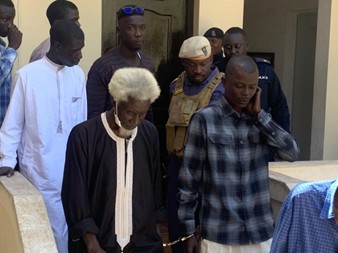
Delivering a detailed ruling on Monday, June 8, 2026, Hon. Justice Ebrima Jaiteh dismissed the defence application for witness summonses under Section 160 of the Criminal Procedure Act, 2025, describing the request as unsupported by sufficient particulars.
The application, made by Defence Counsel F.C. Anyanwu during the continuation of the defence case, sought court orders compelling the attendance of Musa Secka, Amadou Kebbeh, Muhammed Lamin Jarju, Ebrima Drammeh, and Ebrahim Luke Silver to testify on behalf of the accused.
Although State Counsel M. Sarr did not oppose the application, Justice Jaiteh held that the absence of an objection from the prosecution did not relieve the court of its responsibility to ensure that the legal requirements for issuing witness summonses had been met.
In his ruling, the judge emphasized that the court's power to compel citizens to appear as witnesses is not automatic and can only be exercised where there is a demonstrated basis for believing that the proposed witnesses possess material evidence or relevant documents necessary for the determination of the case.
"The statutory threshold is that it must first be made to appear to the Court that the proposed witness is capable of giving material evidence," Justice Jaiteh stated.
The court found that the defence had merely provided the names of the five individuals without explaining the nature of the evidence they were expected to give or identifying any facts in dispute to which their testimony would relate.
Justice Jaiteh noted that the defence failed to indicate whether any of the proposed witnesses possessed documents, recordings, photographs, electronic data, or other evidence relevant to the proceedings.
The judge further observed that none of the five individuals had provided statements to police investigators during the investigation of the case. While acknowledging that the absence of police statements does not automatically disqualify a person from testifying, he said it was a relevant factor in assessing whether a connection had been established between the proposed witnesses and the issues before the court.
Significantly, the court also found that throughout the testimony of the accused, no mention had been made of any of the five individuals.
"Their names emerge for the first time at this late stage of the proceedings without any factual foundation being laid for their involvement," Justice Jaiteh observed.
The court stressed that while an accused person enjoys constitutional and statutory rights to call witnesses and prepare a defence, those rights must be balanced against the rights of citizens who may be compelled to attend court through judicial orders.
Describing a witness summons as a "coercive judicial process," Justice Jaiteh said courts must exercise such powers cautiously because compliance often requires individuals to interrupt their employment, business activities, family responsibilities, and personal affairs.
He warned that allowing witness summonses to be issued solely on the basis of names provided by counsel, without any indication of the evidence expected from those individuals, would amount to a "fishing expedition" and could subject members of the public to unnecessary inconvenience.
"It would be contrary to both the language and purpose of Section 160 of the Criminal Procedure Act, 2025, for the Court to compel ordinary citizens to attend court merely because their names have been mentioned by counsel," the judge ruled.
Consequently, the application was dismissed.
However, Justice Jaiteh left the door open for the defence to renew the application at a later stage, provided sufficient particulars are supplied identifying the material evidence each proposed witness is expected to provide or any relevant documents said to be in their possession.
Until such particulars are presented, the court said it would decline to invoke its coercive powers against the named individuals.