Mozambique Clears IMF Debt, Joining a Tiny Club of African Nations
Mozambique has fully repaid its outstanding debt to the International Monetary Fund, eliminating a balance of approximately $700 million in a move that caught international observers off guard and left the country’s motivations unclear. IMF data shows the government of President Daniel Chapo had zero credit outstanding with the Fund as of March 31, following [...]
 Black News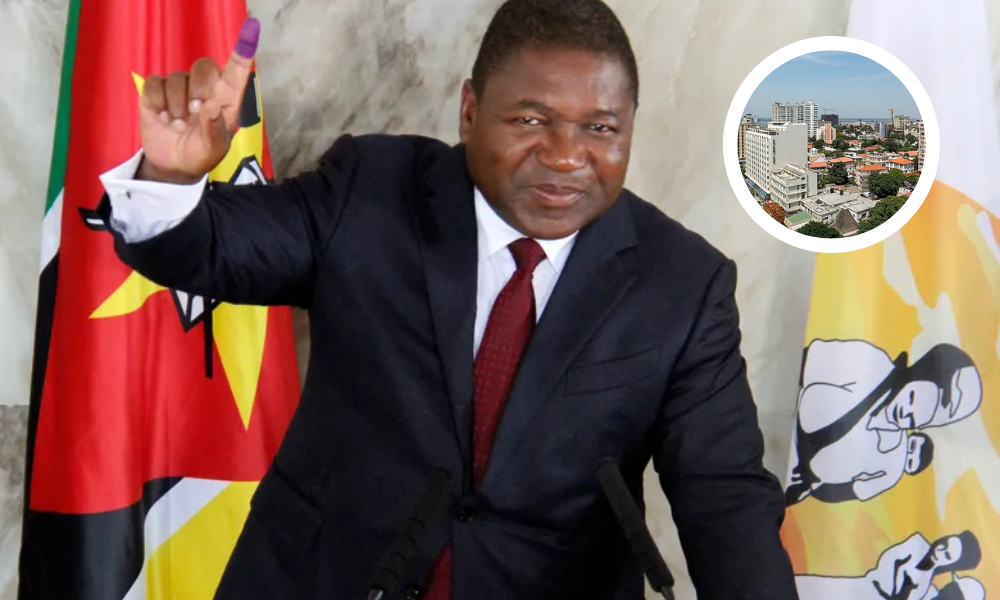
Mozambique has fully repaid its outstanding debt to the International Monetary Fund, eliminating a balance of approximately $700 million in a move that caught international observers off guard and left the country’s motivations unclear.
IMF data shows the government of President Daniel Chapo had zero credit outstanding with the Fund as of March 31, following a repayment of 514 million in Special Drawing Rights — the IMF’s reserve currency unit — completed last month. Mozambique’s finance ministry did not respond to requests for comment.
The repayment was not expected. Under the country’s previous schedule, Mozambique owed the IMF $98 million this year, with further installments due through 2029. Settling the entire balance at once marks a striking departure from the country’s recent financial trajectory.
A Rare Achievement on a Struggling Continent
The move places Mozambique in rare company. Nigeria cleared a $3.4 billion pandemic-era IMF loan in April 2025, becoming the most recent African nation to exit the Fund’s debtor list. Across the continent, the picture is stark: 48 African countries collectively owe the IMF over $42 billion, and African nations account for more than half of all countries globally with outstanding IMF debt. From 2023 to 2027, African governments are projected to pay the Fund $48 billion in repayments — money many analysts argue is desperately needed at home.
ALSO READ: Nigeria Repays IMF Loan 3.4 Bn: What It Means for the Economy, Credit Ratings, and Investors
The timing of Mozambique’s repayment is puzzling given the country’s broader economic reality. A joint IMF and World Bank debt sustainability analysis published in February 2026 classified the country’s total public debt as “in distress” and “unsustainable.” Central bank financing to the government surged in 2025, domestic banks have hit their limits as buyers of government debt, and net external financing has turned negative. The World Bank has issued repeated warnings about worsening fiscal conditions.
The Price of the Money
To understand why this repayment matters beyond the numbers, it helps to understand what IMF loans actually cost — not just in interest, but in sovereignty.
On paper, IMF loans to low-income countries can appear generous. The Fund’s Extended Credit Facility, which Mozambique used, carries zero interest and offers repayment terms of up to ten years. But the financial cost is only part of the picture. Every IMF program comes bundled with conditions — known as structural adjustment requirements — that typically demand cuts to public spending, subsidy reductions, currency devaluation, tax hikes, and privatisation of state assets. These are not suggestions. Countries that fail to meet them find their loan tranches withheld.
The consequences for ordinary citizens can be severe. In Kenya in 2024, mass protests explicitly described in some quarters as anti-IMF demonstrations erupted in response to a finance bill that proposed new taxes on everyday goods including bread, eggs, and cooking oil. The bill was widely understood to be a product of the conditions attached to a $3.6 billion IMF loan. President William Ruto eventually withdrew it after protesters stormed parliament. In Zambia, IMF-mandated cuts to a farm subsidy program have been linked by analysts to a hunger crisis that gripped the country in 2024.
Research published in a peer-reviewed journal examining 81 developing countries over three decades found that IMF loan arrangements containing structural reform conditions were associated with higher rates of poverty, raising unemployment, lowering government revenues, increasing the cost of basic services, and restructuring social safety nets in ways that fell hardest on the poorest.
A major report by ActionAid examining ten African countries found that eight out of ten had recently been advised by the IMF to cut or freeze public sector wage bills, even as spending on debt interest in many African nations already exceeds spending on health or education.
An Unequal Relationship
Critics also point to the structural power imbalance embedded in the IMF’s governance. African countries hold less than 10% of voting share at the IMF board, and the 46 countries of sub-Saharan Africa are represented by only two executive directors. Decisions about the conditions attached to their loans are, in effect, made largely by the wealthy nations that dominate the institution.
When the IMF issued $650 billion in new Special Drawing Rights to help the world manage the COVID-19 crisis, African countries received only $33 billion, roughly 5% of the total, despite bearing a disproportionate share of the pandemic’s economic damage.
The IMF, for its part, argues that its role is irreplaceable. It describes itself as a lender of last resort that provides countries with breathing room during crises, helps stabilise currencies, and offers technical support to governments with limited institutional capacity. Mozambique’s own relationship with the Fund has included extensive assistance on governance, public finance management, and statistical capacity-building, support the country has acknowledged as valuable.
Independence, or Just a Pause?
For all the controversy, the pattern for countries that do break free from IMF debt is telling. Brazil and Argentina both paid off their IMF obligations in 2005 and 2006, framing the moves explicitly as acts of national sovereignty and economic independence. Argentina, however, returned to the Fund within a decade, and today carries the largest IMF debt of any country in the world, more than $40 billion.
Mozambique is already seeking a new IMF program. Its previous lending arrangement was suspended in April 2025, and negotiations for a replacement remain unresolved. President Chapo has repeatedly stated his intention to sign a new agreement, and IMF officials visited Maputo as recently as May 2025 to signal their commitment to continued engagement.
That paradox, clearing a debt while actively seeking to take on new debt from the same creditor, captures the bind that many African governments find themselves in. The IMF may be an imperfect partner, but for countries with limited access to international capital markets, few alternatives exist at comparable scale or cost.
What Mozambique’s dramatic early repayment truly represents remains an open question. Whether it signals a strategic repositioning, a negotiating tactic ahead of new program talks, or pressures not yet publicly disclosed, Maputo is not saying. The finance ministry has not responded to requests for comment.
What is certain is that the act itself carries weight. In a continent where 31 countries remain in active IMF debt and governments routinely spend more on loan repayments than on hospitals or schools, paying off the bill early is no small thing. Whether it leads to genuine fiscal sovereignty, or simply clears space for the next round of borrowing, will depend on choices Mozambique has yet to make.