Niger and Mali accuse neighbours of sponsoring terrorism in the Sahel
Foreign ministers of Niger and Mali have accused neighbouring countries of supporting terrorism, while signalling openness to limited cooperation with the West African regional bloc ECOWAS, from which they formally withdrew last year.
 Black News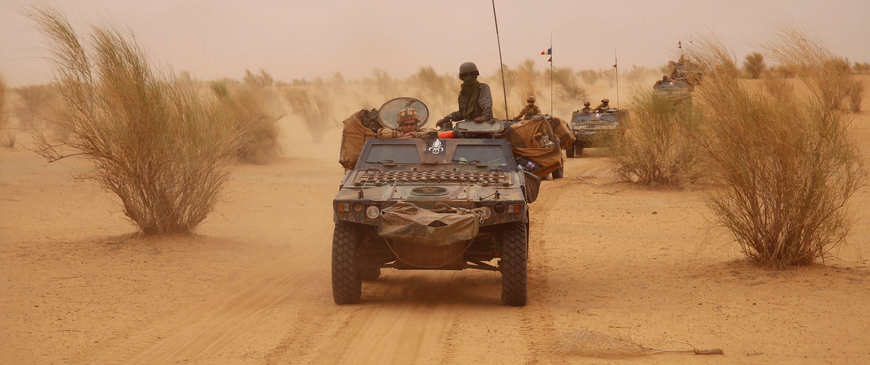


Foreign ministers of Niger and Mali have accused neighbouring countries of supporting terrorism, while signalling openness to limited cooperation with the West African regional bloc ECOWAS, from which they formally withdrew last year.
- Foreign ministers of Niger and Mali accused neighboring countries and external actors of supporting terrorist groups.
- Mali, Niger, and Burkina Faso, now governed by military regimes, left ECOWAS to form the Alliance of Sahel States.
- Allegations included claims of Ukrainian involvement and accusations against France for fueling terrorism, both of which have been denied.
- Despite leaving ECOWAS, Mali and Niger signaled openness to limited cooperation with the bloc on trade and mobility.
Foreign ministers of Niger and Mali have accused neighbouring countries of supporting terrorism, while signalling openness to limited cooperation with the West African regional bloc ECOWAS, from which they formally withdrew last year.
The remarks highlight deepening fractures in West Africa that continue to complicate efforts to contain jihadist violence across the Sahel region, Reuters reported.
Mali, Niger, and Burkina Faso have faced insurgencies for more than a decade, and are all now governed by military regimes that came to power through coups before forming the Alliance of Sahel States after exiting ECOWAS.
Speaking on the sidelines of a security forum in Senegal, Malian Foreign Minister Abdoulaye Diop said some neighbouring states were “harbouring terrorist groups” or allowing hostile forces to operate against his country. He did not name specific countries but suggested that external actors were also involved.
Diop referenced alleged attacks involving Ukrainian-linked elements, though Ukraine has denied involvement in Mali’s conflict and rejected claims of supporting armed groups in the north.
Regional Tensions Deepen
Tensions have also escalated between Mali and Mauritania, following disputes over alleged cross-border incidents involving armed groups.
Niger’s Foreign Minister Bakary Yaou Sangare also accused unnamed partners of “fuelling and sustaining” terrorism, later suggesting France as a key actor. The French foreign ministry did not immediately respond.
At the same forum, ECOWAS chairman and Julius Maada Bio urged the Sahel states to reconsider their withdrawal or strengthen cooperation with the bloc. However, Diop maintained that their exit from ECOWAS was “final,” even while leaving room for limited engagement on trade, mobility, and regional market integration.
Meanwhile, the United States has quietly maintained communication channels with the militaries of the Alliance of Sahel States despite the breakdown in formal security cooperation following recent coups.
The continued contact reflects Washington’s pragmatic approach as it intensifies counter-terrorism efforts across West and Central Africa, even as AES countries pivot closer to Russia and reduce Western military ties.