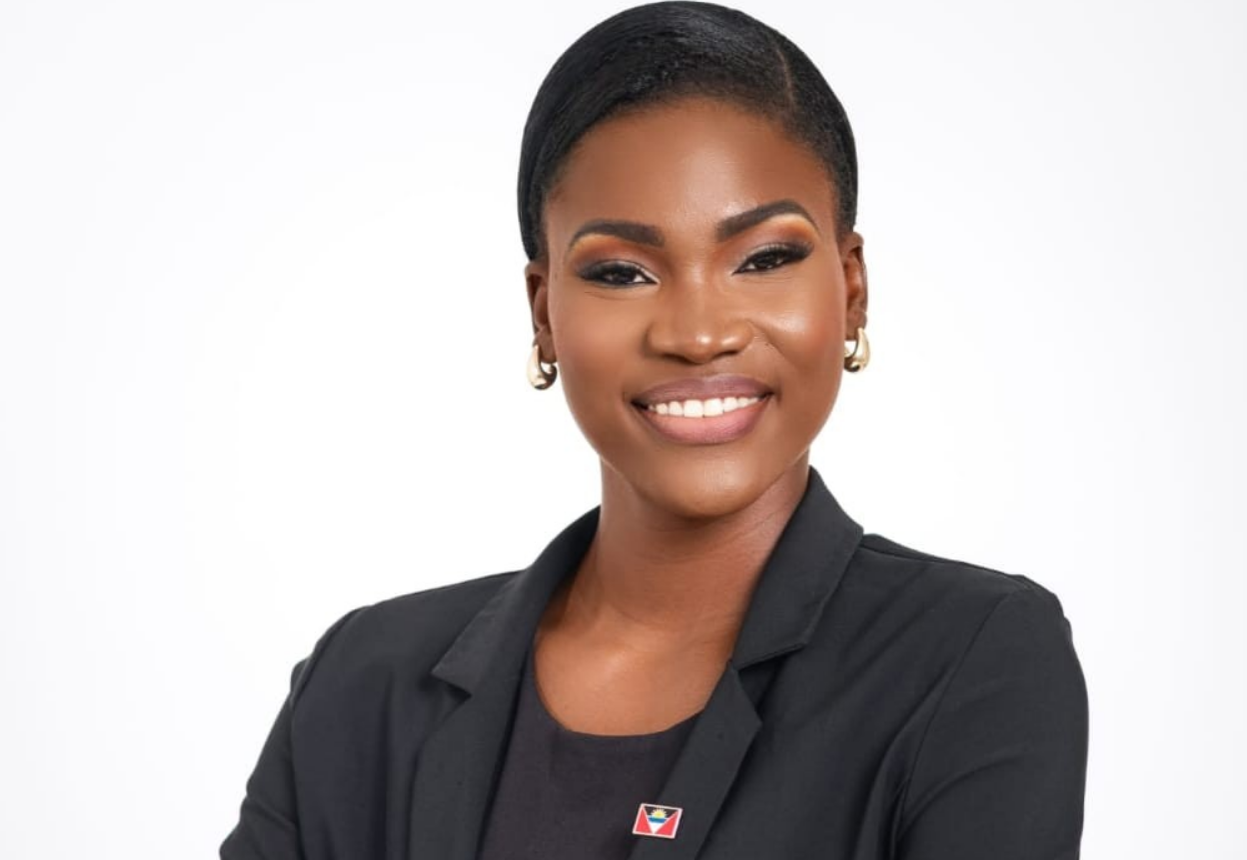
Protecting votes is not a call for unrest — Mayor Lowe defends UDP results plan
“What he said was ‘We will announce our results before the IEC does.’ That is peaceful. He did not say we will announce the election results before the IEC. He said we will announce our results before the IEC, and the UDP has every right to protect its votes. Why shouldn’t we protect our votes?” Lowe explained. The mayor stressed that while she would oppose any attempt by a political party to declare the final outcome of an election before the IEC, she sees no issue with parties publicizing their own figures collected from polling agents. “I respect whoever respects the institutions. If Lamin Manneh says he will announce the end results of the election, I will speak against him. But saying we will announce our results before the IEC, that is not a problem,” she added. Lowe noted that political parties are often able to track their performance at polling stations through their representatives, giving them an early picture of results before the IEC’s official announcement. She cited her own experience during the Banjul mayoral election, saying she knew her numbers before the commission formally declared them. Her remarks come amid heightened debate over the role of political parties in safeguarding votes and ensuring transparency in the electoral process. While some critics warn that premature announcements risk confusion, Lowe maintains that distinguishing between internal party results and official declarations is key to preserving electoral peace.
 Black News

“What he said was ‘We will announce our results before the IEC does.’ That is peaceful. He did not say we will announce the election results before the IEC. He said we will announce our results before the IEC, and the UDP has every right to protect its votes. Why shouldn’t we protect our votes?” Lowe explained.
The mayor stressed that while she would oppose any attempt by a political party to declare the final outcome of an election before the IEC, she sees no issue with parties publicizing their own figures collected from polling agents.
“I respect whoever respects the institutions. If Lamin Manneh says he will announce the end results of the election, I will speak against him. But saying we will announce our results before the IEC, that is not a problem,” she added.
Lowe noted that political parties are often able to track their performance at polling stations through their representatives, giving them an early picture of results before the IEC’s official announcement. She cited her own experience during the Banjul mayoral election, saying she knew her numbers before the commission formally declared them.
Her remarks come amid heightened debate over the role of political parties in safeguarding votes and ensuring transparency in the electoral process. While some critics warn that premature announcements risk confusion, Lowe maintains that distinguishing between internal party results and official declarations is key to preserving electoral peace.