Relief for African economies as US moves to “guide” stranded ships through Strait of Hormuz
African economies grappling with rising fuel costs and supply disruptions may get some relief after Donald Trump said the United States will begin guiding stranded vessels out of the Strait of Hormuz from Monday.
 Black News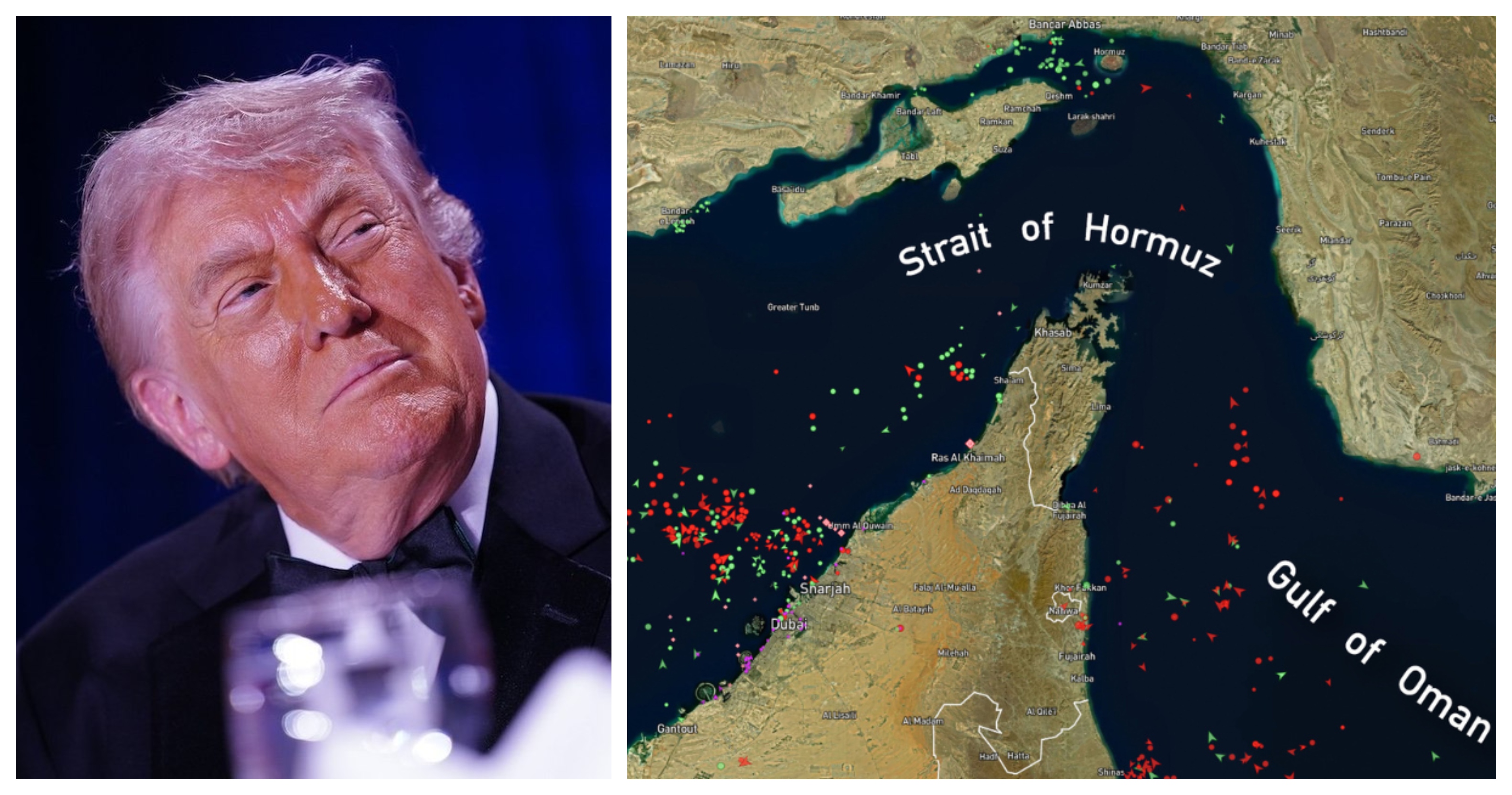

African economies grappling with rising fuel costs and supply disruptions may get some relief after Donald Trump said the United States will begin guiding stranded vessels out of the Strait of Hormuz from Monday.
- The US will begin escorting stranded vessels out of the Strait of Hormuz to address supply disruptions and rising fuel costs affecting African economies.
- A UK- and France-led coalition has delayed implementation of its own safe passage plans, prompting unilateral US action involving 15,000 personnel and significant naval assets.
- African countries, highly dependent on imported fuel, face surging fuel prices, shortages, inflation, and threats to remittances and food security due to these disruptions.
- Diplomatic efforts for a ceasefire and safe reopening of the strait are ongoing but remain uncertain amid ongoing tensions and unfulfilled demands between the US and Iran.
The move comes as a United Kingdom- and France-led coalition, backed by nearly 30 countries, has yet to operationalise plans announced in March to secure safe passage through the waterway. That delay has increased pressure on Washington to act unilaterally.
“For the good of Iran, the Middle East, and the United States, we have told these Countries that we will guide their Ships safely out of these restricted Waterways,” Trump wrote on social media.
He warned that any interference in the operation, dubbed “Project Freedom”, would “have to be dealt with forcefully”.
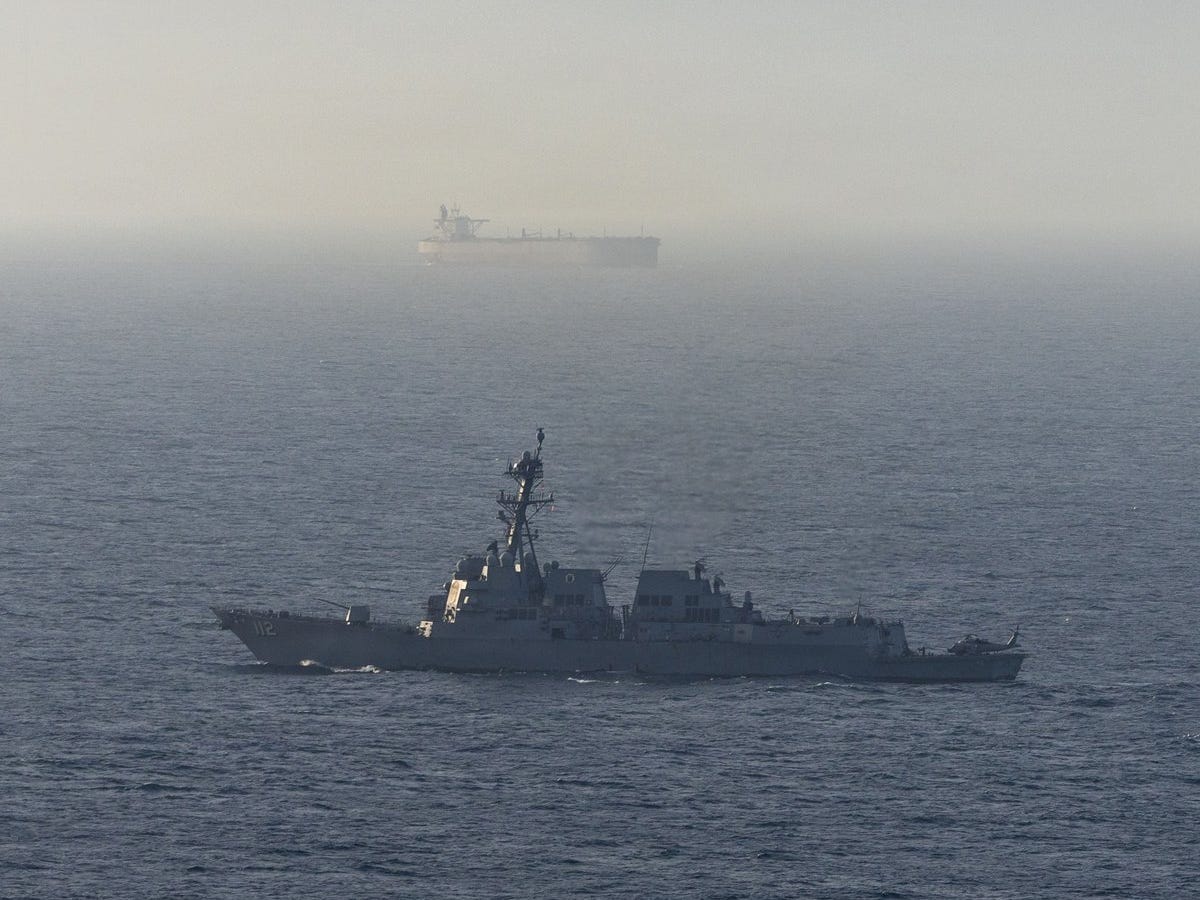
US Central Command said about 15,000 personnel, guided-missile destroyers and more than 100 aircraft would be deployed for the operation.
Around 20,000 sailors remain stranded in the Gulf, raising concerns over dwindling supplies and worsening conditions onboard vessels.
“In all cases, they said they will not be returning until the area becomes safe for navigation, and everything else... The Ship movement is merely meant to free up people, companies, and Countries that have done absolutely nothing wrong,” Trump added.
Shipping bottlenecks and market reaction
Disruptions in the Strait of Hormuz; one of the world’s most critical energy chokepoints, have intensified since February, when Iran restricted traffic following the outbreak of conflict.
According to CNBC Africa, about 275,000 containers, measured in 20-foot equivalent units, are currently stuck in the strait.
Shipping lines have been forced to reroute vessels around the Cape of Good Hope, adding between 10 and 14 days to journey times.
Tanker charter rates have exceeded $400,000 per day, while war-risk insurance premiums have climbed to as high as 3% of vessel value from about 0.25% before the conflict.
Africa bears the economic brunt
The disruption has hit African economies hard, particularly those heavily reliant on imported fuel.
“Anything that impacts the Middle East is going to have a ripple effect on the world because of the global price,” said Samantha Graham-Maré.
Oil prices have surged above $100 per barrel, briefly reaching $120, according to the International Energy Agency, while the International Monetary Fund estimates that a sustained 10% increase in oil prices could raise global inflation by about 0.4 percentage points.
In Kenya, where oil accounts for more than a quarter of imports, higher prices are threatening trade flows, including tea and meat exports to Gulf markets.
Ethiopia has introduced fuel rationing measures and advised citizens to limit consumption.
Tanzania has raised petrol prices by 33%, while Somalia has seen fuel prices nearly quadruple, pushing up the cost of basic goods.
Fertiliser shipments through the Strait of Hormuz have dropped by 92%, raising concerns over food security across the continent, which imports up to 35 million tonnes annually.
Remittances are also under pressure, as millions of African workers in Gulf countries face job losses or reduced income.
In Kenya, up to $40 million in monthly remittances could be at risk, while Ethiopia, where remittances account for about 5% of gross domestic product, faces similar exposure.
South Africa is experiencing rising oil prices that are increasing the cost of diesel used in power generation, putting pressure on electricity supply and fiscal stability.
Nigeria, despite being an oil producer, is seeing higher global prices translate into increased domestic fuel costs due to reliance on imported refined products, fuelling inflation and straining households.
Rwanda, a fully import-dependent economy, faces heightened exposure to fuel price volatility, with knock-on effects on transport, food prices and overall inflation.
Diplomacy stalls as tensions persist
While hopes of a complete ceasefire and the reopening of the Strait of Hormuz persist, negotiations between Washington and Tehran remain uncertain.
Iranian state-linked media reported that Tehran had received a US response to its latest peace proposal via Pakistan and was reviewing it, according to the semi-official Tasnim news agency.
Iran’s 14-point plan calls for the US to withdraw forces near its borders, end its naval blockade and halt all hostilities, including Israel’s offensive in Lebanon, within 30 days.
In response, Donald Trump wrote in a post on Truth Social., “I will soon be reviewing the plan that Iran just sent to you, but can’t imagine that it would be acceptable in that they have not yet paid a big enough price for what they have done to Humanity, and the World, over the last 47 years,”