Sickle cell run: Pharmacists call for increased awareness, early screening and stronger support systems
Pharmacists have called for increased awareness, early screening and stronger support systems to tackle the sickle cell burden in the country. Globally, about 300,000 babies are born with sickle cell disease each year, with Uganda accounting for a significant share. In Uganda, approximately 20,000 babies are born with the condition annually, and between 6,000 and […] The post Sickle cell run: Pharmacists call for increased awareness, early screening and stronger support systems appeared first on Daily Star.
 Black News

Pharmacists have called for increased awareness, early screening and stronger support systems to tackle the sickle cell burden in the country.
Globally, about 300,000 babies are born with sickle cell disease each year, with Uganda accounting for a significant share. In Uganda, approximately 20,000 babies are born with the condition annually, and between 6,000 and 9,000 of these children die before their fifth birthday.
Speaking at launch of the sickle cell awareness run set for September 20, 2026 organised by the Pharmaceutical Society of Uganda (PSU), the president of Women in Pharmacy, Favor Odum Khaukha, urged Ugandans to confront stigma, embrace testing and stand in solidarity with those living with the condition.
“To understand sickle cell disease is to challenge the stigma surrounding it, embrace early screening and stand with individuals and families affected,” she said.
Khaukha noted that the annual run has evolved into more than just a physical activity, bringing together healthcare professionals, patients, families, corporate partners and the media under a shared mission of building a more informed and compassionate society.
She noted that behind the statistics often quoted in reports are real human stories children battling pain, parents navigating uncertainty and families carrying the emotional and financial burden of care.
“Sickle cell disease remains a significant public health challenge in Uganda, yet behind every statistic is a child, a parent and a story. Early knowledge can change that story. Early screening can change that story. Access to treatment can change that story,” she said.
Khaukha outlined key objectives of the awareness initiative, including educating the public about prevention, diagnosis and management, promoting early screening, empowering communities with practical knowledge and dispelling myths that continue to fuel stigma.
She said pharmacists play a key role in managing the disease, from ensuring access to medicines and safe dispensing to providing patient education and supporting research and advocacy.
The initiative, she added, is also aimed at mobilising resources to procure essential medicines such as hydroxyurea, particularly for underserved communities where access to treatment remains limited.
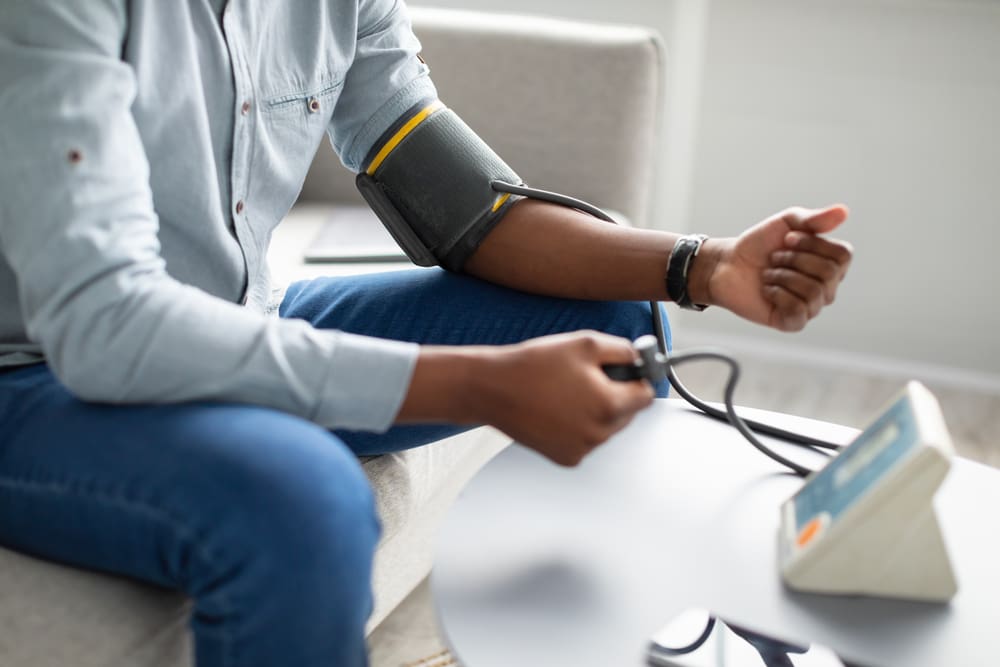
“This year, we are starting earlier, reaching wider and aiming higher. The 2026 run will feature both five and 10-kilometre races, alongside free health services including sickle cell screening, blood pressure checks and pharmacy consultations,” she said.
Dr Doreen Basangwa of National Medical Stores (NMS) described the run as an opportunity to translate awareness into meaningful action.
“We run to encourage people to know their status, to promote early screening, to challenge stigma and to improve access to treatment. We run to stand with sickle cell warriors, their families and communities. We run for life,” Basangwa said.
Basangwa revealed that NMS has stepped up efforts to support the management of sickle cell disease by distributing treatment packages to 72 accredited health facilities across the country.
These packages include essential medicines for managing complications associated with the disease, including pain relief drugs such as morphine.
“Beyond treatment, we strongly believe in prevention and awareness. Prevention remains the most powerful tool we have in reducing the burden of sickle cell disease,” she said.
Despite these interventions, experts warn that the scale of the challenge remains daunting.
Dr Nuru Mugide, Vice President of the Pharmaceutical Society of Uganda, offered a sobering perspective on the science and scale of the disease, explaining that sickle cell is a genetic condition inherited at birth and not transmitted from person to person.
“In a healthy individual, red blood cells are round and flexible, allowing them to transport oxygen efficiently. But in people with sickle cell disease, these cells become crescent shaped, rigid and fragile,” she said.
Because of their abnormal shape, the cells can block blood flow, break down easily and lead to a range of complications, including severe pain, chronic fatigue, frequent infections and organ damage.
“Patients live with pain crises, repeated hospitalisations and, in many cases, silent suffering,” she said.
Beyond the medical challenges, Dr Mugide highlighted the social and economic impact of sickle cell disease, including stigma, discrimination and the high cost of care.
“Patients face challenges at school and at work. Families struggle with the cost of treatment, and there is often limited access to specialised care and safe blood for transfusion,” she said.
“To the parents and caregivers, we see you. You live with the fear of the next crisis, the next hospital visit,” she added.
As Uganda grapples with the dual burden of communicable and non-communicable diseases, stakeholders are increasingly calling for a more coordinated and sustained response to sickle cell disease.
For many families affected by sickle cell disease, such efforts represent hope not just for better care, but for a future where fewer children are born with the condition and more patients live longer, healthier lives.
The post Sickle cell run: Pharmacists call for increased awareness, early screening and stronger support systems appeared first on Daily Star.