SOSUMO Faces Parliamentary Criticism Over Governance and Production Shortfalls
A recent audit reveals recruitment irregularities, declining production, and governance failures at the country's sole sugar producer, prompting calls for major reforms.
 Black News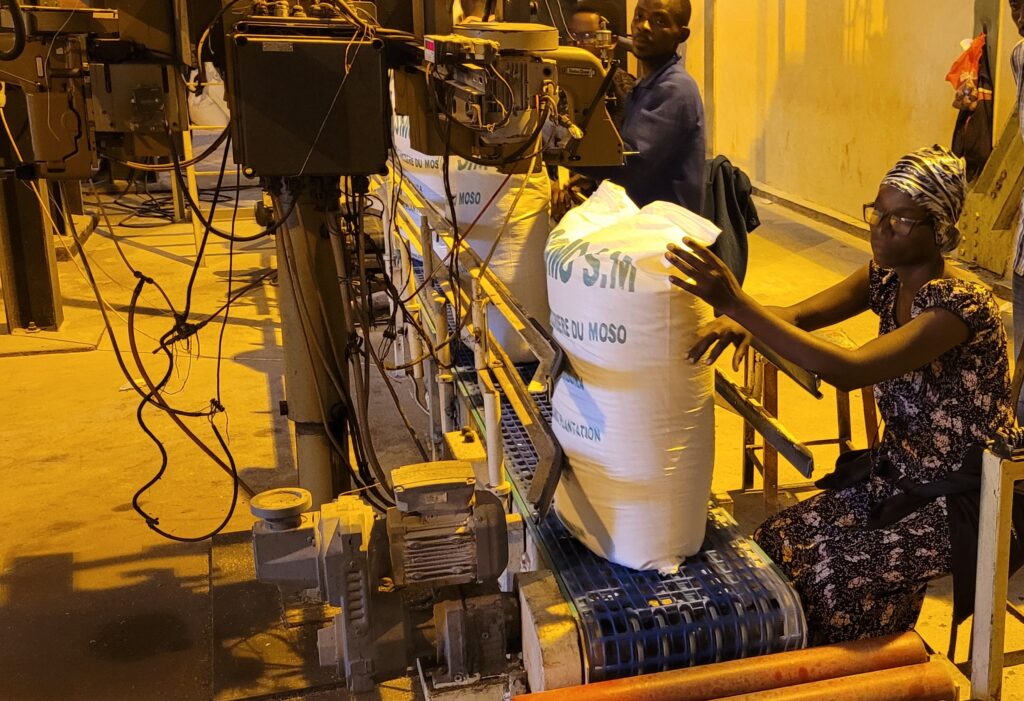
Burundi’s Parliament on Wednesday expressed concern over a range of governance, financial, and production challenges affecting the country’s sole sugar producer, the SOSUMO.
The concerns emerged following a final audit report by the Court of Auditors of Burundi, which highlighted administrative shortcomings, declining production performance, and weaknesses in the reliability of the company’s financial statements.
According to the report, SOSUMO violated recruitment procedures during the 2022–2023 and 2024–2025 fiscal years by hiring staff without organizing competitive recruitment examinations.
“SOSUMO recruited personnel during the 2022–2023 and 2024–2025 fiscal years without holding recruitment competitions. This situation creates a lack of transparency in hiring, increases the risk of favoritism, and may result in the recruitment of unqualified personnel,” the audit report states.
The findings drew criticism from members of Parliament, who questioned the company’s adherence to principles of good governance.
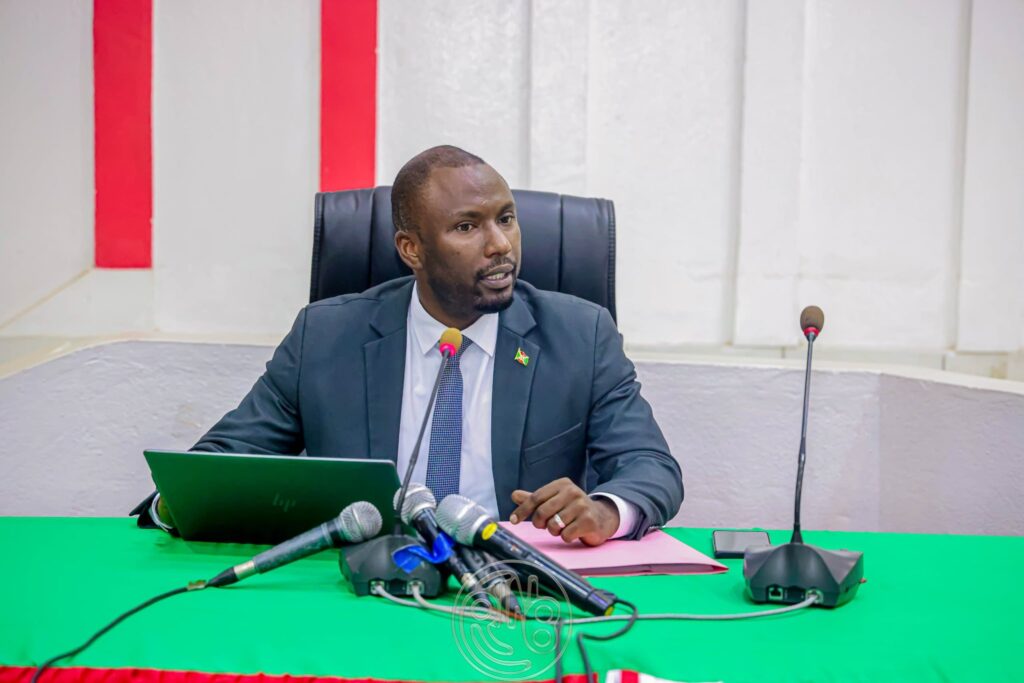
Responding to the concerns, Industry Minister Hassan Kibeya acknowledged that recruitment examinations are an essential component of sound corporate management. However, he argued that SOSUMO had been forced to act quickly following a significant exodus of employees from the factory.
“It is indisputable that recruitment tests are a fundamental rule of good business management,” Kibeya told lawmakers. “Nevertheless, given the critical situation facing SOSUMO, marked by the uncontrolled departure of staff, it was necessary to act quickly.”
The minister added that those recruited were selected based on their known qualifications and competence.
Declining Production and Rising Prices
The audit report also found that sugar and molasses production has fluctuated significantly in recent years, with an overall downward trend. Lawmakers linked the decline in output to the persistent high cost of locally produced sugar despite the government’s decision to liberalize sugar trade.
“Today, sugar appears to be available on the local market thanks to the liberalization of its commercialization. Why, then, is it more expensive than imported sugar?” parliamentarians asked during the debate.
Minister Kibeya attributed the price disparity to several factors, including aging and obsolete production equipment, relatively low annual output of around 20,000 tonnes, and foreign currency shortages that complicate the procurement of equipment and agricultural inputs.
“SOSUMO is unable to acquire all of its equipment and agricultural inputs directly from manufacturers or their authorized distributors,” he explained.
The minister noted that SOSUMO’s official selling price is set at 5,650 Burundian francs per kilogram, while wholesalers are authorized to sell it at 6,000 francs per kilogram.
Despite these official prices, locally produced sugar remains difficult to find in many retail outlets. Some shopkeepers say imported sugar from Uganda is often cheaper and more accessible.
“In addition to not being allowed to sell SOSUMO sugar directly, we find that it is more expensive than sugar imported from Uganda. When we do sell it, the price can reach 7,000 francs per kilogram,” one retailer said.
A Persistent Sugar Crisis
Burundi has experienced recurring shortages of locally produced sugar for nearly five years, contributing to sharp price increases.
In 2024, SOSUMO raised its sugar price from 3,500 Burundian francs to 8,000 francs per kilogram, a move that sparked public concern amid ongoing supply shortages.
Kibeya argued that SOSUMO’s struggles are partly linked to its status as a state-owned enterprise.
“If SOSUMO were a private company, I am convinced it would already be making profits and would have opened three or four additional factories, perhaps even in other countries such as Tanzania, like FOMI,” he told Parliament.
The minister said that restructuring efforts must go beyond upgrading machinery.
“In the process of restructuring SOSUMO, we must not only rehabilitate the machines. We must also restructure human resources and change mindsets,” he said.
President Ndayishimiye Previously Criticized Management
In 2024, Burundi’s President, Évariste Ndayishimiye, publicly accused SOSUMO’s management of prioritizing personal gain over public interest and advocated for the liberalization of the sugar market.
“At SOSUMO, I was told they are operating at a loss. I told them: you have failed. You have brought no added value to the country. You are traders like any others,” the president said at the time.
“The solution is to liberalize sugar. You want to enrich yourselves while the population suffers. They are working for their own stomachs,” he added.
Rehabilitation and Expansion Plans
To address the challenges facing the company, Minister Kibeya announced a series of reforms and investments.
Among the proposed measures is a factory rehabilitation program scheduled to run through 2030, with an estimated cost of between $15 million and $20 million. The government is also planning the construction of a new sugar factory by 2032, a project expected to cost approximately $50 million.
The minister said these investments are intended to modernize production, increase output, and help stabilize sugar supply in Burundi’s domestic market.