The Patience of Two Identities: Being African Inside Japan
The Patience of Two Identities: Being African Inside Japan
In one of the world’s most ethnically uniform societies, a small but growing community of African and Afro-Japanese people are navigating what it means to be visibly different yet undeniably home. Japan takes considerable pride in its homogeneity, the idea of a singular, unified Japanese cultural identity (expressed via language, comportment, aesthetics, and the rituals […]
In one of the world’s most ethnically uniform societies, a small but growing community of African and Afro-Japanese people are navigating what it means to be visibly different yet undeniably home.
Japan takes considerable pride in its homogeneity, the idea of a singular, unified Japanese cultural identity (expressed via language, comportment, aesthetics, and the rituals of daily life) shining through as one of the country’s most enduring narratives. It is also – as most national narratives are – profoundly incomplete.
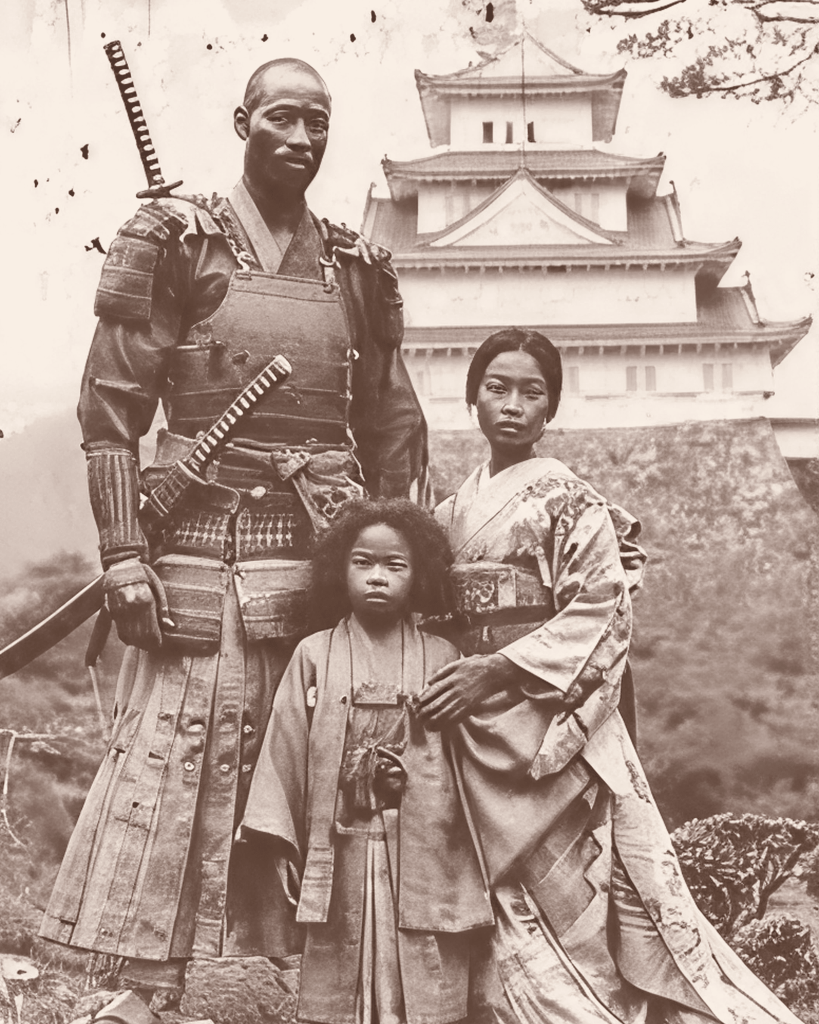
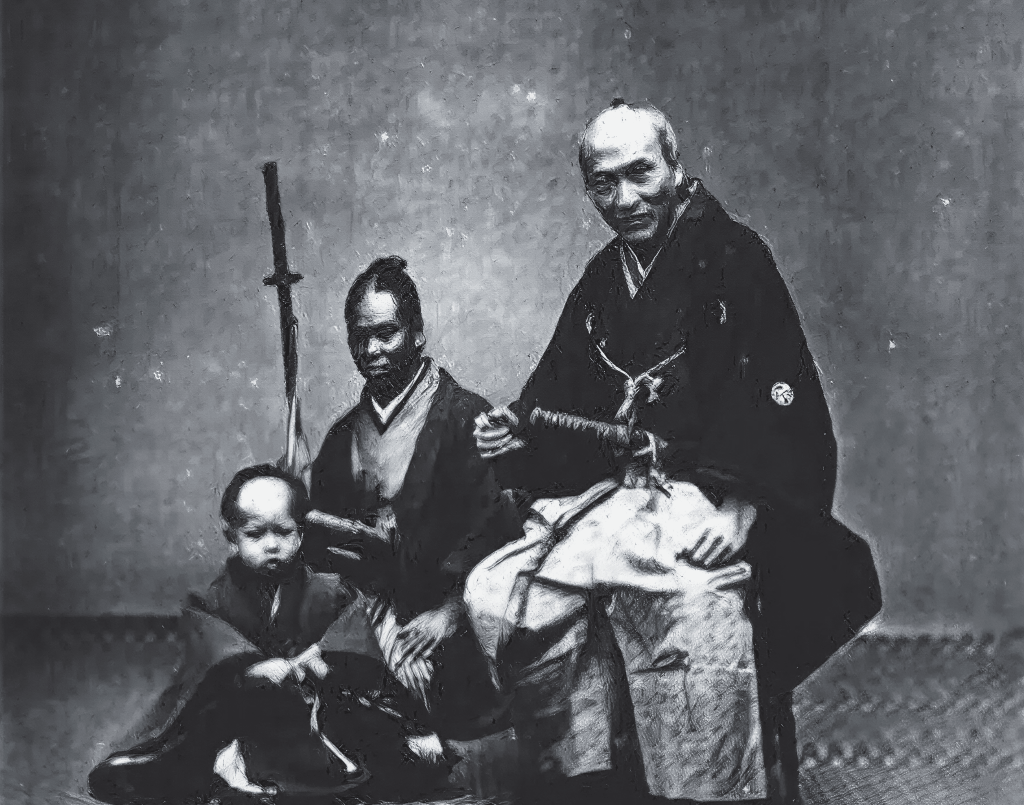
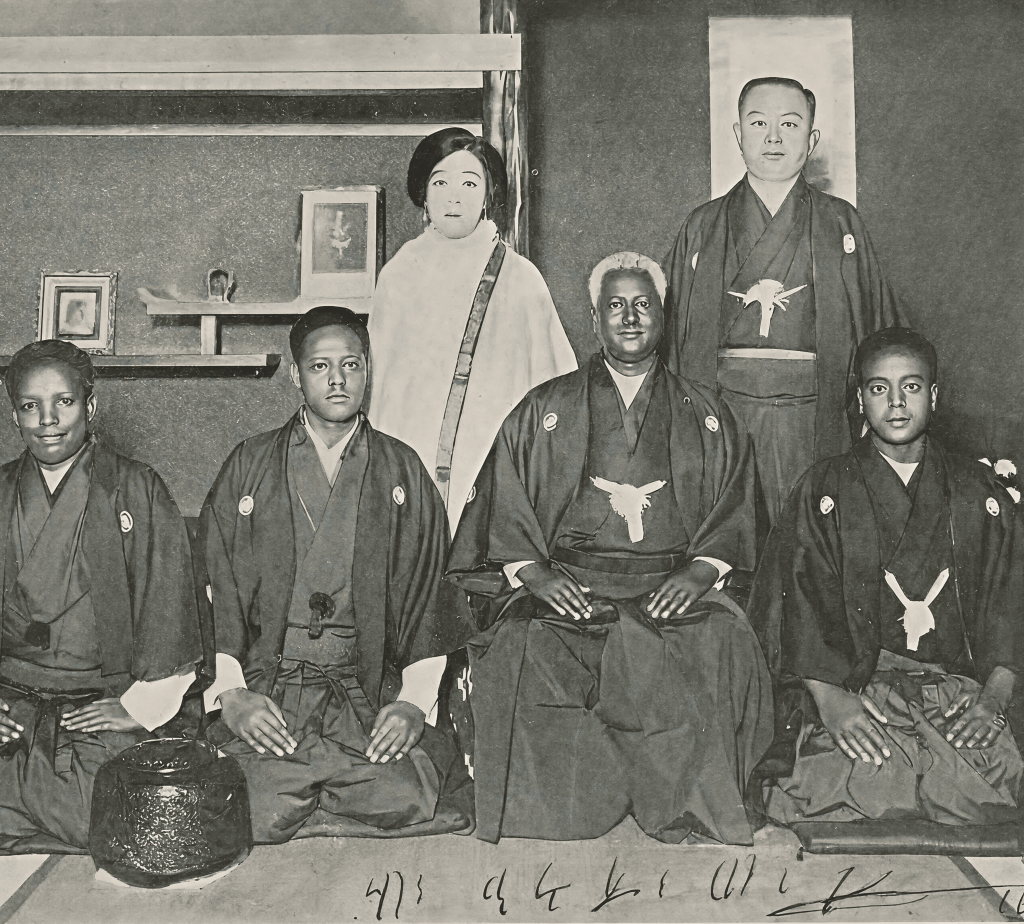
The African presence in Japan is older than most people realise. When Portuguese traders arrived in 1543, they brought with them enslaved Africans from their East African trading posts. A figure known in Japanese historical records as Yasuke – believed to have hailed from present-day Mozambique – arrived to Japan in 1579 and entered the service of the feudal lord Oda Nobunaga, who granted him the rank of samurai. Yasuke is the first named person of African descent documented in Japanese history. His story, recovered and amplified in recent decades, has become a touchstone for Afro-Japanese identity: proof that this presence isn’t an accident of modernity but indeed a thread woven into the country’s oldest and most enduring fabric.
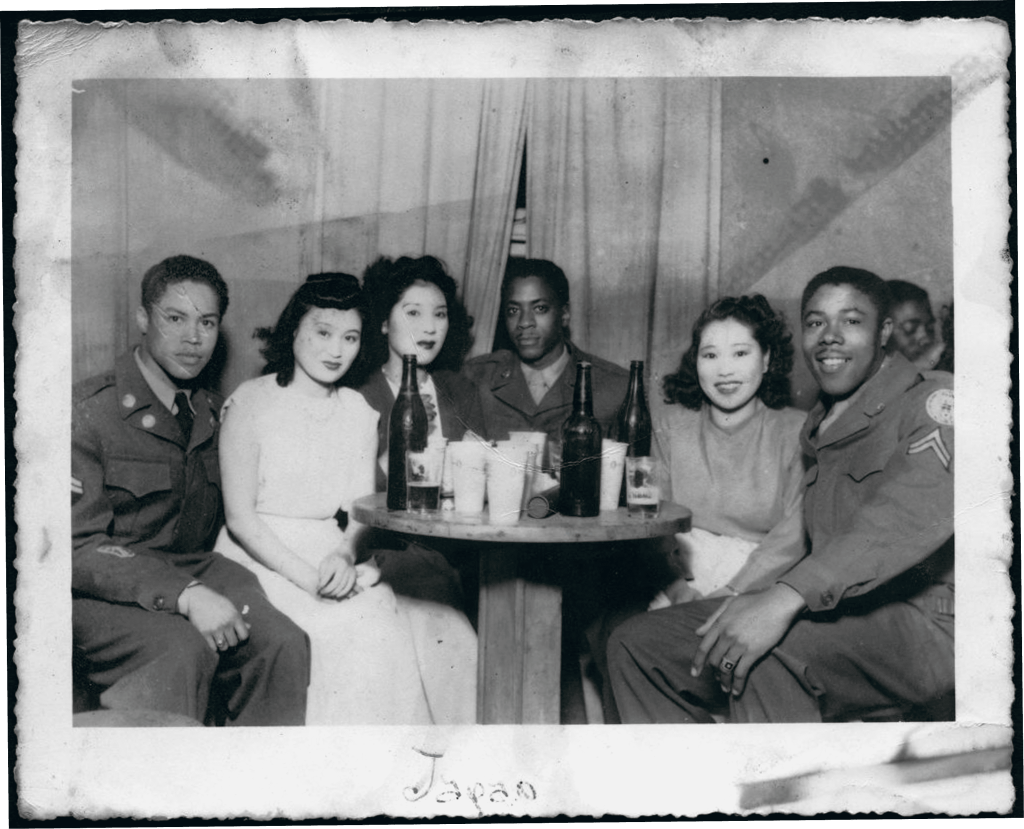
The modern Afro-Japanese community is distinct from its historical antecedents, however, and composed largely of two groups: the children of African migrants (predominantly from Nigeria, Ghana, Kenya, and Cameroon) who arrived in Japan from the 1980s onward for work, study, or sport and the mixed-race children of African-Japanese partnerships (many of whom were born and raised entirely in Japan and know no other home). Together, these groups number in the tens of thousands and are concentrated mainly in Tokyo, Osaka, Yokohama, and Nagasaki.
To be Afro-Japanese is to negotiate a peculiar kind of visibility. Japan’s social architecture is not designed to accommodate differences in the way more overtly multicultural societies are. The experience of being Black in Japan – of being seen, stared at, and addressed in fragmented English by strangers who assume you cannot possibly speak Japanese – is simultaneously wearing and clarifying. Many Afro-Japanese people describe a heightened consciousness of self about how they carry themselves, what they represent, and the distance between how they’re perceived and who they truly know themselves to be.
A great deal of creative work exists in this same gap. Afro-Japanese musicians, visual artists, and writers produce work that refuses easy categorisation: work that’s Japanese and African at once, drawing on Yoruba colour theory and ukiyo-e composition in the same breath and setting Afrobeats rhythms inside the formal architecture of Japanese musical tradition. This is not confusion but precision, people working out – in public and through their art – what their legacy is and might yet still become.
Models and fashion figures of African-Japanese heritage are shifting conversations about beauty standards in Japan, a country whose beauty industry has historically defined itself in opposition to Blackness. Their presence – deliberate, composed, and unwilling to diminish themselves for anyone’s comfort – has opened up debates nowhere to be found a decade ago.
For centuries, people from outside Japan have arrived, stayed, and become part of the social fabric even when the official story has no place for them. The Afro-Japanese community is the latest chapter in that long, largely untold history of arrivals who remain and shape the country from within.
The question the African continuum poses everywhere is asked here with particular clarity: What does belonging look like when the place you belong to does not yet have the language for you? Japan is learning, slowly and imperfectly, to expand its self-understanding. In the meantime, the people who live this same question carry two identities with a patience that is (in itself) a form of grace.
“What does belonging look like when the place you belong to does not yet have the language for you?”

 Black News