South Africa faces diplomatic snub as African envoys boycott Africa Day celebrations
South Africa’s efforts to position itself as a champion of African unity suffered a diplomatic setback after African ambassadors and high commissioners boycotted the country’s flagship Africa Day celebrations in the North West province.
 Black News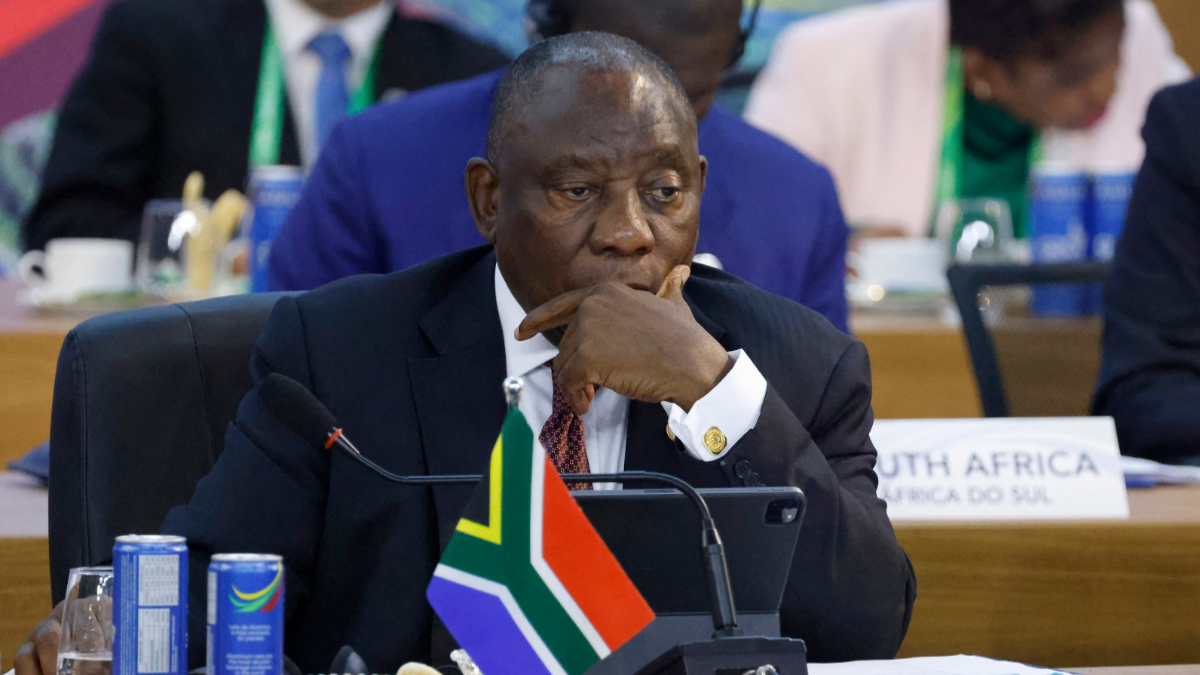

![South Africa faces diplomatic snub as African envoys boycott Africa Day celebrations [Chris McGrath/Getty Images]](https://ocdn.eu/pulscms/MDA_/13b5ec6c50c43c8d1e97b5d974dec40e.jpg)
South Africa’s efforts to position itself as a champion of African unity suffered a diplomatic setback after African ambassadors and high commissioners boycotted the country’s flagship Africa Day celebrations in the North West province.
- African ambassadors and high commissioners collectively boycotted South Africa's Africa Day event in protest of rising anti-immigrant sentiment.
- The boycott is a response to ongoing violence and hostility against foreign nationals living in South Africa.
- Years of failed diplomatic interventions and broken promises from Pretoria have led to this dramatic action.
- Some foreign nationals, especially from Nigeria and Ghana, are now seeking voluntary repatriation for their safety.
African ambassadors and high commissioners have collectively boycotted South Africa's flagship Africa Day event in the North West province, launching a silent but powerful protest against the country’s handling of rising anti-immigrant sentiment.
The coordinated snub marks a significant low point in Pretoria's international relations, turning a day meant to celebrate continental unity into a stark reminder of deep-seated regional divisions.
DON'T MISS THIS: South Africa’s xenophobia crisis deepens as Ghana rushes to evacuate over 300 citizens
Continental Backlash Follows Years of Stalled Diplomacy
The mass boycott is a direct response to months of escalating hostility and targeted violence against foreign nationals living in South Africa.
Diplomatic sources indicate that African envoys chose to withdraw from the national event to signal their deep dissatisfaction with the safety and treatment of their citizens.
This dramatic collective action, however, is not a sudden escalation but the culmination of a long-running cycle of failed bilateral interventions. Over successive waves of anti-immigrant violence, individual African governments have repeatedly attempted to hold Pretoria accountable through formal diplomatic channels.
DON'T MISS THIS: Concerning xenophobia, South Africa says it has nothing to hide
Both Nigeria and Ghana have taken the extraordinary step of summoning South African diplomats and envoys to demand explanations and stronger protections for their diaspora communities.
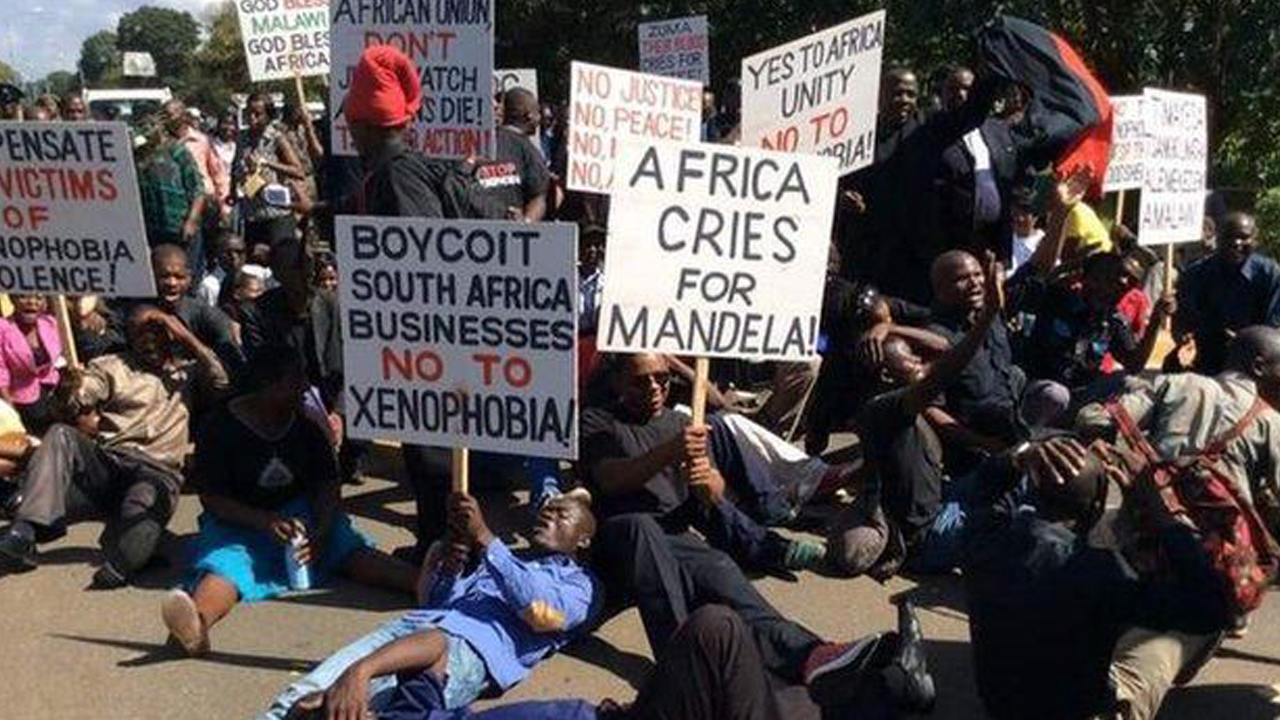
Yet, as the current state of emergency highlights, these formal interventions have yielded little to no sustained improvement on the ground. Promises of tighter policing and community integration made during those high-level briefings have continually given way to renewed cycles of hostility.
Tensions have grown volatile enough that waves of African foreign nationals, including numerous Nigerian and Ghanaian citizens, have recently sought voluntary repatriation to their home countries, citing an inability to guarantee their own safety amid aggressive anti-immigrant militancy.
By refusing to attend the state-sponsored celebration, the diplomatic corps has effectively acknowledged the limits of closed-door bilateral talks, opting instead to force the issue of internal xenophobia onto the center stage of continental politics.
Pretoria Downplays Growing Diplomatic Isolation
In the wake of the empty seats, South Africa’s Department of International Relations and Cooperation (DIRCO) has moved quickly to manage the political fallout.
DON'T MISS THIS: Nigeria targets South Africa with economic and diplomatic threats over xenophobic attacks
Government officials have attempted to downplay the severity of the boycott, publicly framing the ongoing friction as an isolated matter rather than a systemic failure of regional diplomacy.
However, political analysts note that the unified stance taken by African nations delivers a heavy blow to South Africa's aspirations of continental leadership.
By leveraging their absence, neighboring governments have sent a clear and uncompromising message: Pretoria cannot champion African unity on the global stage while failing to protect African citizens within its own borders.
Victor Awogbemila