South Africa, Namibia, Botswana, Lesotho and Eswatini set one-year target for India trade talks
India and the Southern African Customs Union have set a one-year timetable for negotiations that could change tariffs and market access between India and five Southern African economies.
 Black News
India and the Southern African Customs Union have set a one-year timetable for negotiations that could change tariffs and market access between India and five Southern African economies.
- India and SACU plan to begin negotiations within one month after agreeing the terms that will guide the talks.
- The customs union represents South Africa, Namibia, Botswana, Lesotho and Eswatini in external tariff negotiations.
- No tariff has changed yet, but the talks could widen export access and give Southern African producers another major Asian market.
India and five Southern African countries are preparing to negotiate a preferential trade agreement, with both sides aiming to complete the talks within one year.
The planned agreement covers India and the Southern African Customs Union, or SACU, whose members are South Africa, Namibia, Botswana, Lesotho and Eswatini.
Negotiations are expected to begin within one month after the two sides agreed the terms of reference that will define the scope and process of the talks.
The timetable gives Southern African governments another route for diversifying trade at a time when South Africa is seeking new commercial relationships as its economic ties with the United States face greater uncertainty.
It also comes as African manufacturers are being considered as possible beneficiaries of changing trade flows between the United States and India, although any benefit will depend on the products and tariff concessions included in a final agreement.
For Lesotho, the talks arrive while the country remains highly exposed to diamond-sector job losses and uncertainty around access to the US market.
The wider uncertainty around the future of the African Growth and Opportunity Act has increased pressure on African exporters to secure alternative markets and reduce dependence on a small number of trading partners.
One-year negotiating timetable
The terms of reference were signed on Tuesday, according to India’s government announcement reported by The Economic Times.
The document does not itself reduce tariffs. It establishes the framework for negotiations, which are expected to begin by September and conclude within one year.
A preferential trade agreement is usually narrower than a full free trade agreement. It allows participating countries to reduce or remove duties on an agreed list of products while retaining tariffs on other goods.
The final value for African exporters will depend on which products are included, the size of the tariff reductions, rules of origin and whether non-tariff barriers are addressed.
SACU negotiates as one customs territory
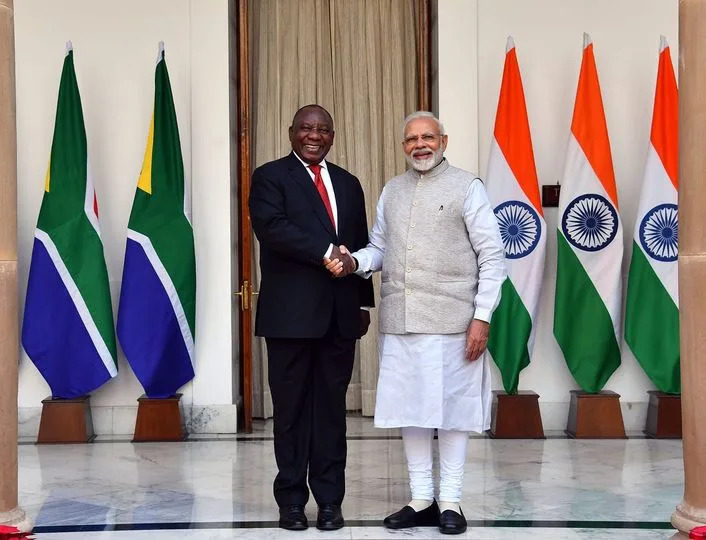
SACU operates a common external tariff and negotiates trade arrangements as a bloc, according to the customs union’s official agreements framework.
This means India will not negotiate separate tariff schedules with each member. The five countries will need to agree a common position before concessions can be exchanged.
South Africa is the largest economy in the group, but the smaller members have distinct export interests. Botswana and Namibia rely heavily on minerals, Lesotho and Eswatini depend on a narrower group of manufactured and agricultural exports, while South Africa has a broader industrial base.
Those differences could make product selection one of the hardest parts of the negotiations.
What businesses should watch
Companies will need to watch the product lists rather than the political announcement alone.
Lower Indian duties could help selected Southern African mineral, agricultural and manufactured exports. Lower SACU duties could also make Indian pharmaceuticals, machinery, vehicles, textiles and consumer products more competitive in the region.
Rules of origin will determine whether goods assembled in one SACU country qualify for any preferential rate. Customs procedures, product standards and safeguards will also affect whether the agreement produces real trade or only lower headline tariffs.
The agreement remains under negotiation. Exporters should not price contracts on the assumption that any tariff reduction has already taken effect.