South Korea turns to 2 African nations for oil as disruptions at the Strait of Hormuz continue
The ongoing conflict between Iran and the United States is currently destabilizing global fuel markets, leading to significant disruptions in supply chains. As a result, South Korea has identified two North African nations, Algeria and Libya, as viable alternative sources for crude oil procurement.
 Black News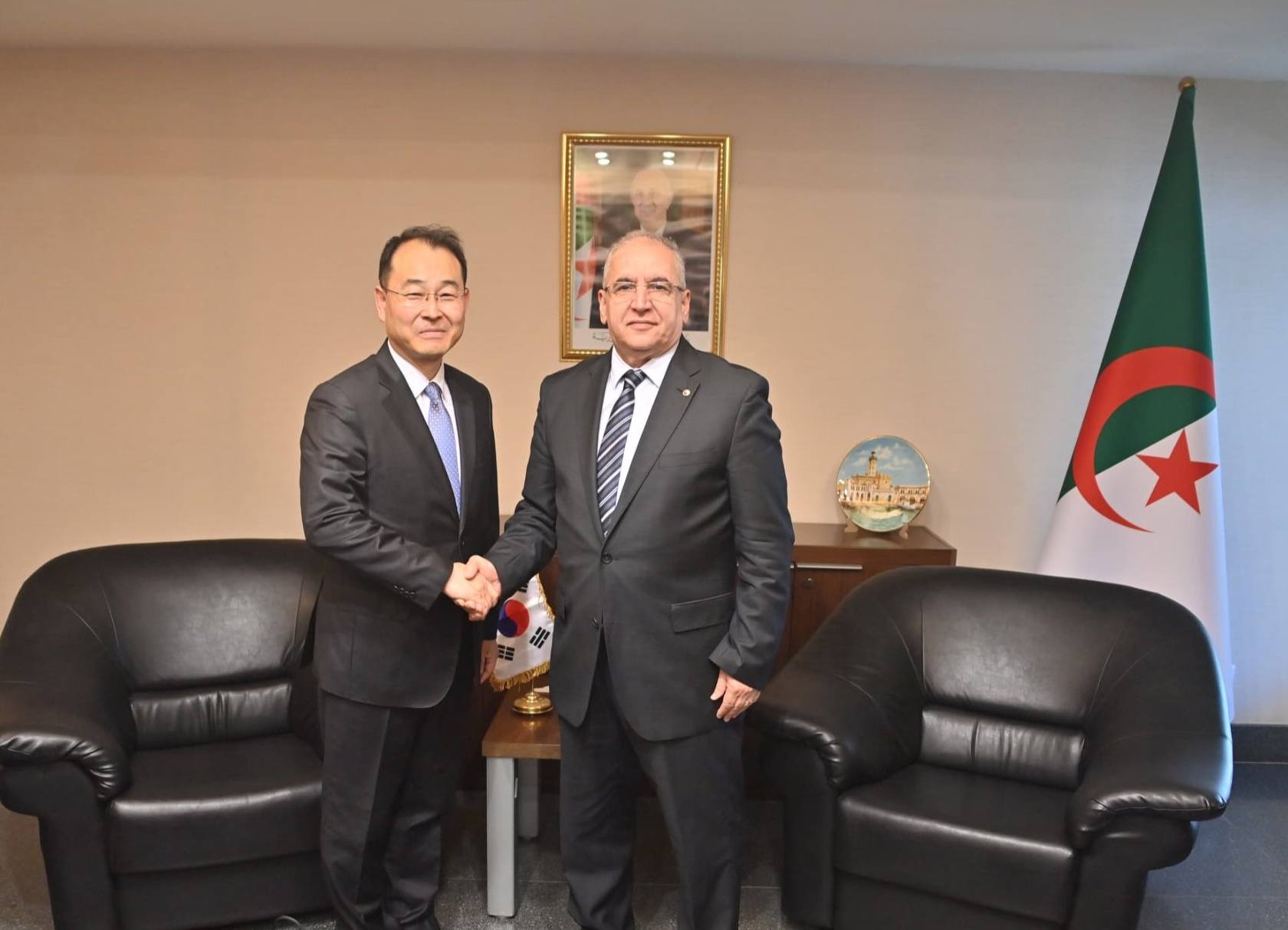
![South Korea turns to 2 African nations for oil as disruptions at the Strait of Hormuz continue [Source: Algeria Ministry of Foreign Affairs]](https://ocdn.eu/pulscms/MDA_/b1642bb8388c5f0aa94ef6662b9f6e7b.jpg)
The ongoing conflict between Iran and the United States is currently destabilizing global fuel markets, leading to significant disruptions in supply chains. As a result, South Korea has identified two North African nations, Algeria and Libya, as viable alternative sources for crude oil procurement.
- The ongoing Iran-US conflict is disrupting global fuel markets and increasing petroleum prices.
- South Korea is seeking alternative crude oil sources in Algeria and Libya due to instability in the Middle East.
- A senior South Korean diplomat met with Algerian and Libyan officials to discuss oil and naphtha procurement.
- Libya's National Oil Corporation expressed willingness to supply oil to South Korea under certain conditions.
Nations with a high dependency on Middle Eastern crude are urgently seeking alternative supply corridors, particularly as the Strait of Hormuz, a transit point for approximately twenty percent of global oil volume, remains substantially obstructed.
This has led South Korea, one of the economies vulnerable to the disruption, to look to African oil producers like Algeria and Libya.
As seen in the Korean Herald, a senior South Korean ambassador met with authorities in Algeria and Libya to discuss new sources of crude oil and naphtha.
Park Jong-han, South Korea's Deputy Foreign Minister for Economic Affairs, met with government officials and energy players during a recent visit to both countries.
The conversations are part of Seoul's larger drive to diversify its energy sources and lessen its vulnerability to Middle Eastern turmoil.
During meetings with the National Oil Corporation (NOC), discussions focused on the possibility of South Korean firms purchasing Libyan heavy oil.
Both sides looked into the potential of distributing a percentage of Libya's oil output directly to South Korea.
DON'T MISS THIS: Nigeria signs deal with South Korea to launch Africa’s first electric vehicle factory
"The NOC indicated its willingness to actively allocate supplies to South Korea, provided that it meets conditions, such as crude specifications, delivery timing, and buyers' credibility," the South Korean foreign ministry said.
South Korea’s refining advantage
South Korea remains completely reliant on imported crude oil, but it has established a solid reputation as a significant exporter of refined petroleum products.
![Daesan integrated refining and petrochemicals platform [Source: Total Energies]](https://ocdn.eu/pulscms/MDA_/99d25b81e477cd6622fa92ff49d87f10.jpg)
Using superior refining skills, the country processes imported crude and re-exports finished products throughout Asia-Pacific.
During the sessions, Park underlined the importance of a reliable crude supply for both domestic energy security and South Korea's position in regional petroleum markets.