‘Harry Potter’ is Forever, But at What Cost?
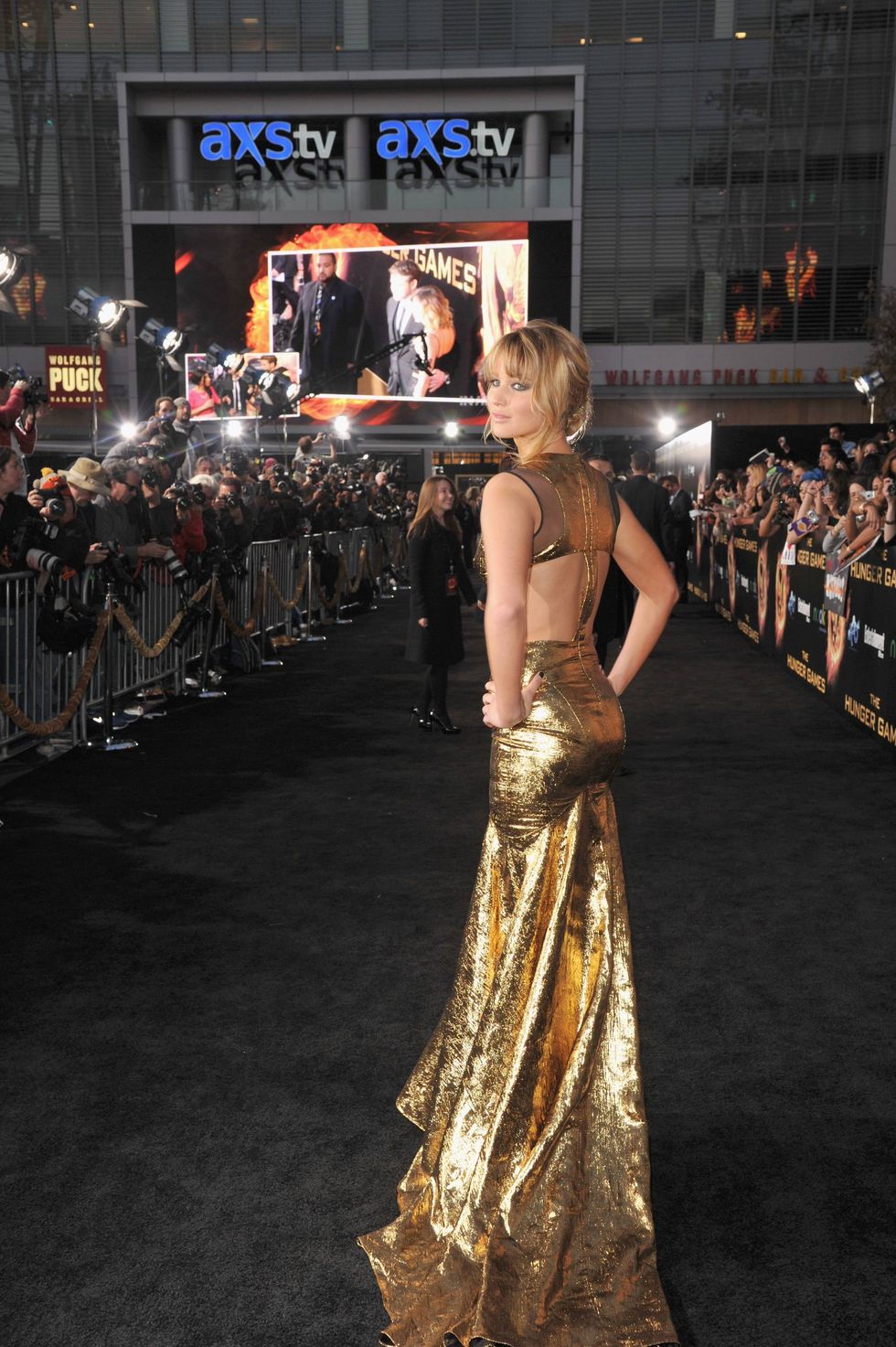
When I was first introduced to the concept of The Hunger Games at the end of 2011, I thought it was another cautionary tale against glamorising thinness for teenage girls. My godmother said I’d really like it and I was flattered that she thought I was skinny enough to be worth worrying about.Then the trailer dropped. Then they announced Taylor Swift was going to feature on the soundtrack. Then the first film of the series was released, and the early 2010s was suddenly overwhelmed by tales of teenagers in their fight against authoritarianism. They carved out space for what is now described as millennial optimism. I was thirteen years old. I was awed, and immediately updated my Facebook cover photo to Stop Kony 2012. This is so much better than being warned against eating disorders, I thought.Panem then, Panem now, Panem apparently forever. By the time the last film Mockingjay Part 2 came out in 2015 — the final novel predictably split in two for maximum extraction — the hype had already started to slip. And yet, over a decade later, The Hunger Games machine is still churning. As is seemingly everything from our childhood and adolescence. These stories used to reflect the hopes and futures of young people. Now, the endless nostalgia loop stifles their ability to dream. At least with The Hunger Games, fans are treated to adaptations of original new stories released by the author, Suzanne Collins, from within the fictional universe. For fans of Harry Potter, another story of kids fighting the bad guys — and winning! — HBO has invested over five and a half billion dollars to recreate a story in television format that already has a successful, acclaimed, and relatively recent movie series within its franchise. And a West End show. And theme parks in the UK and Florida. There is, presumably, an audience for the new Harry Potter series, which poses the question: what would Hogwarts look like if it were filmed like The Social Network? This audience doesn’t seem to be anywhere online, where the trailer was immediately met with disdain. Or, anecdotally, in person. Most of my friends were Harry Potter fans as children. We’ve not even really discussed it. With J.K. Rowling setting another cultural shift after the conclusion of the series with her virulent transphobia, it seems we’ve progressed beyond believing in it.Within the noughties adaptations sphere, the sequel to The Devil Wears Prada 2 was greeted with more excitement. (And some disdain.) There’s a West End adaptation of that going on too, by the way. As is the case with Mean Girls. Miley Cyrus seemed genuine in her championing of the Hannah Montana 20-year anniversary last month. As for Demi Lovato: whilst serving as executive producer of Camp Rock 3 alongside the Jonas Brothers, she will not star in it, letting the noughties’ favourite bro-band take centre stage in the Disney Channel film as they last did, all the way back in 2010.I think it’s noble that Demi Lovato is even involved at all. At least with Miley Cyrus, her Disney product was a personal — and, personally, moving — reclamation of a childhood role she infamously discarded as quickly as possible. (Speaking of The Hunger Games, remember when she tweeted “I wanna see the new Hunger Games but that means I’ll have to look at my ex for 2 fucking hours?” Good times.) Camp Rock 3 follows the same alchemical formula as the other aforementioned reboots, revisiting source material so recent, these former child stars are merely in their mid-thirties.The kids have now grown up and they now have disposable income. Let’s repackage childhood and sell it back to them.It would be wrong to argue there’s no space for nostalgia in culture. Of course there is, because humans are nostalgic by nature, whether that be for personal memory or a time we never actually experienced. Just look at the enthusiasm surrounding Love Story, and its depiction of a ‘90s New York City that neatly reflects the enduring adoration of the Sex and The City universe. (Look, if you’re going to revisit a beloved source, at least include Patti LuPone.) The biggest fans aren’t those that experienced New York that decade, but a whole new audience of Gen Z and Gen Alpha, who long for a time when a magazine writer could afford to rent a one-bedroom flat, or a fashion PR girlie could marry America’s most charming, celebrated bachelor.Art is not created in a vacuum; it is not conceptualised without context, but mirrors the conditions that produce it. Especially on the scale of sweeping, international phenomena, its relevance rests upon how well it interprets the present. Harry Potter, first conceived in 1990, is a post-Cold War product of good — love, friendship, stable governmental democracy — triumphing over evil. The Hunger Games, similarly, came in a time that it was entirely believable that resistance was winnable, and that an individual, even a stubborn, independent thinking teenage girl, could change the world. On the Disney Channel, the beloved
 Black News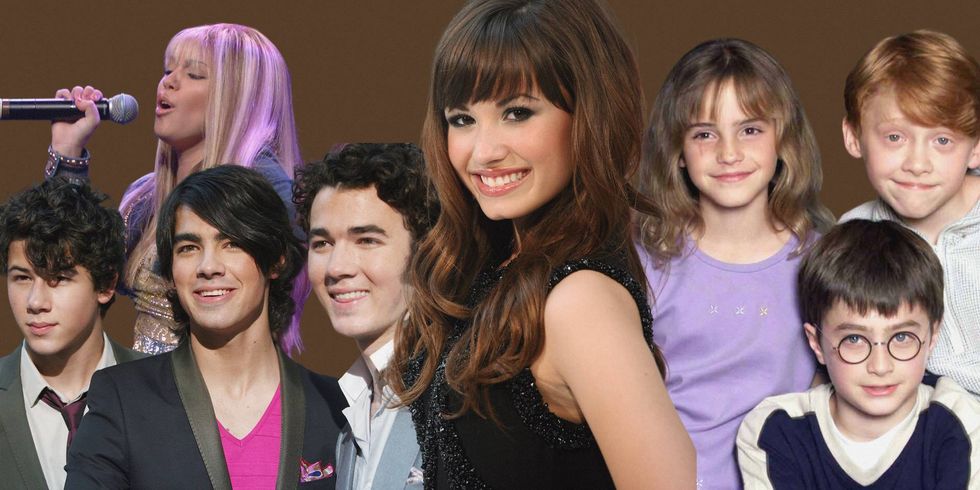
When I was first introduced to the concept of The Hunger Games at the end of 2011, I thought it was another cautionary tale against glamorising thinness for teenage girls. My godmother said I’d really like it and I was flattered that she thought I was skinny enough to be worth worrying about.
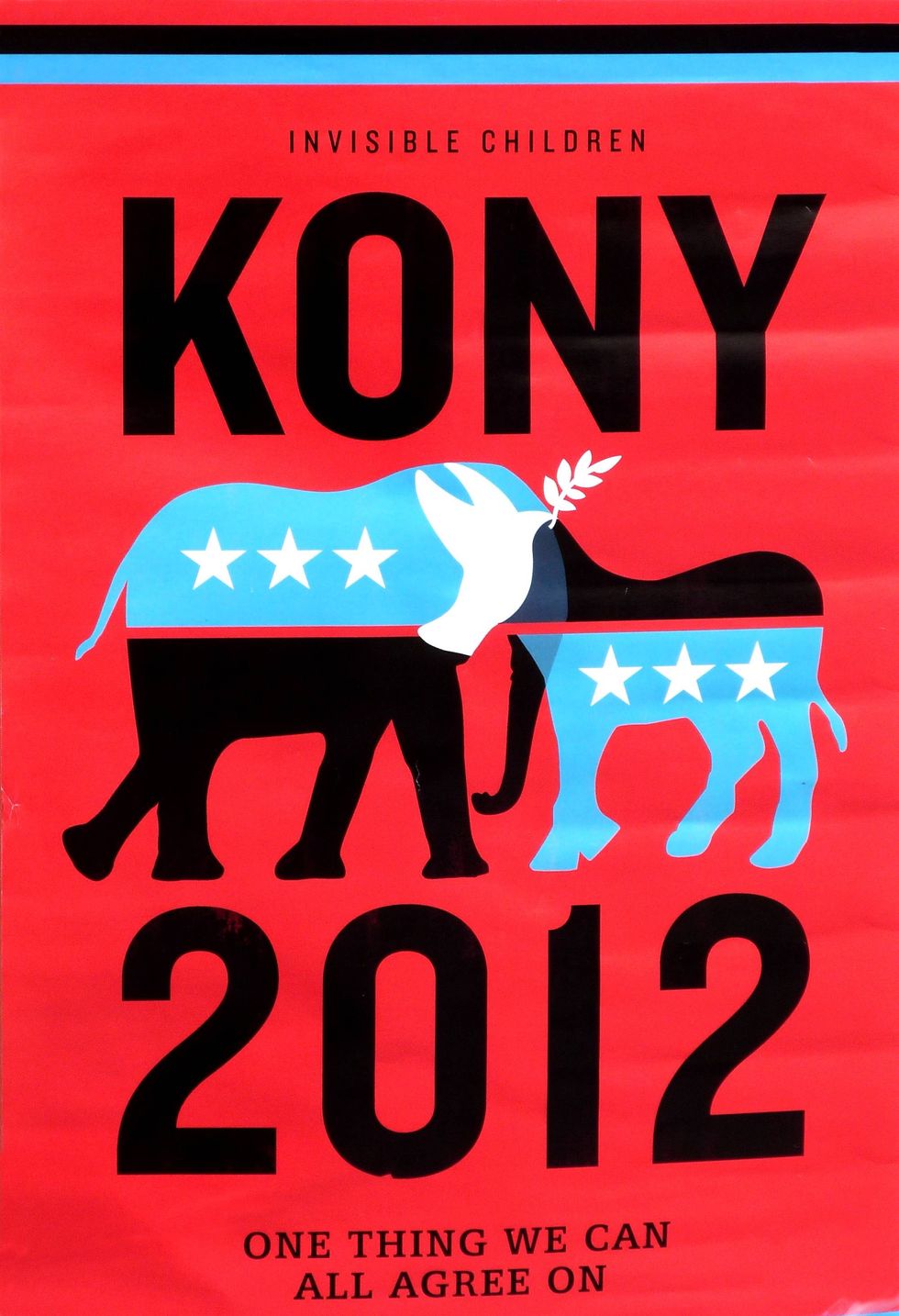
Then the trailer dropped. Then they announced Taylor Swift was going to feature on the soundtrack. Then the first film of the series was released, and the early 2010s was suddenly overwhelmed by tales of teenagers in their fight against authoritarianism. They carved out space for what is now described as millennial optimism. I was thirteen years old. I was awed, and immediately updated my Facebook cover photo to Stop Kony 2012. This is so much better than being warned against eating disorders, I thought.
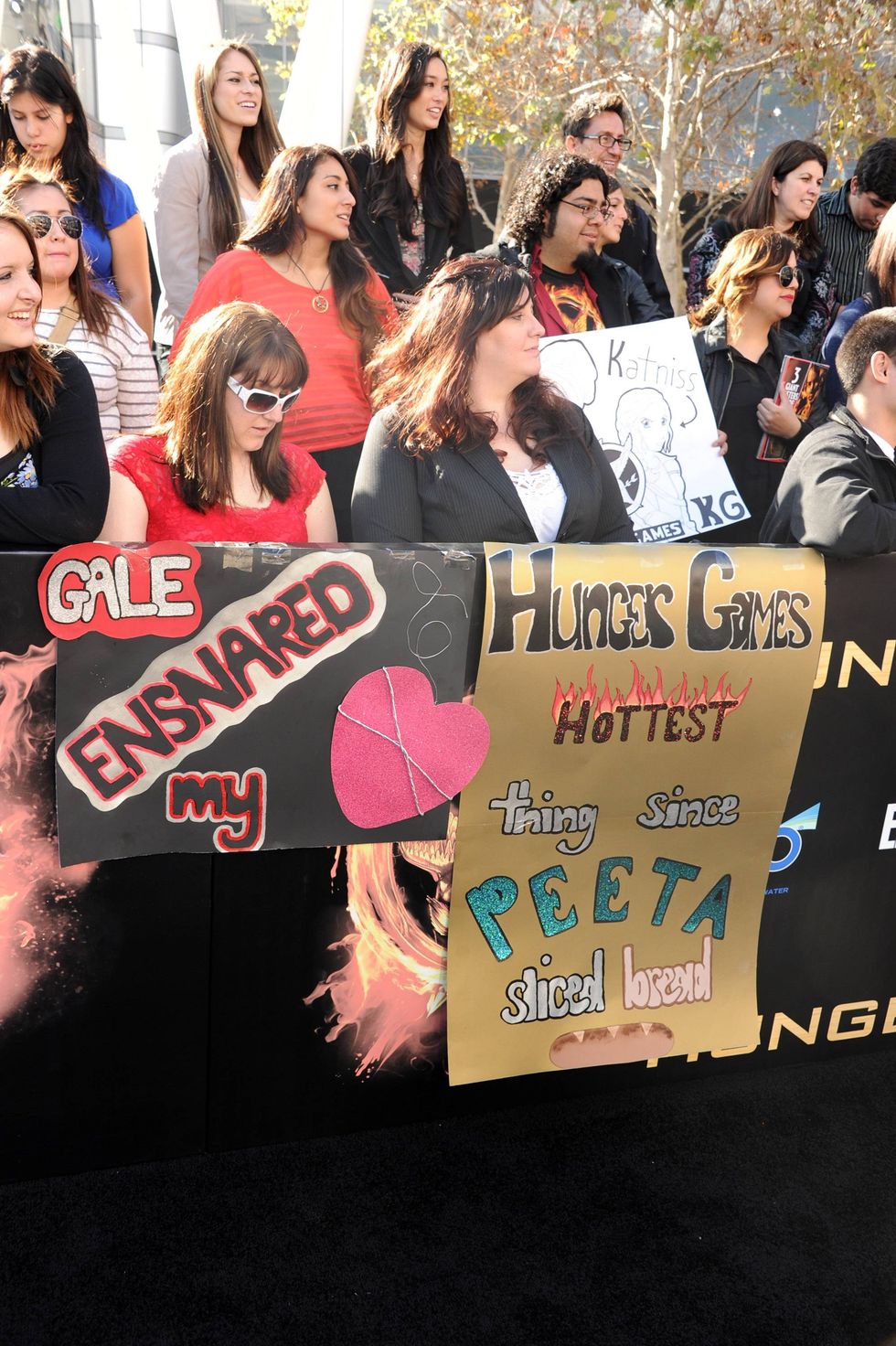
Panem then, Panem now, Panem apparently forever. By the time the last film Mockingjay Part 2 came out in 2015 — the final novel predictably split in two for maximum extraction — the hype had already started to slip. And yet, over a decade later, The Hunger Games machine is still churning. As is seemingly everything from our childhood and adolescence.
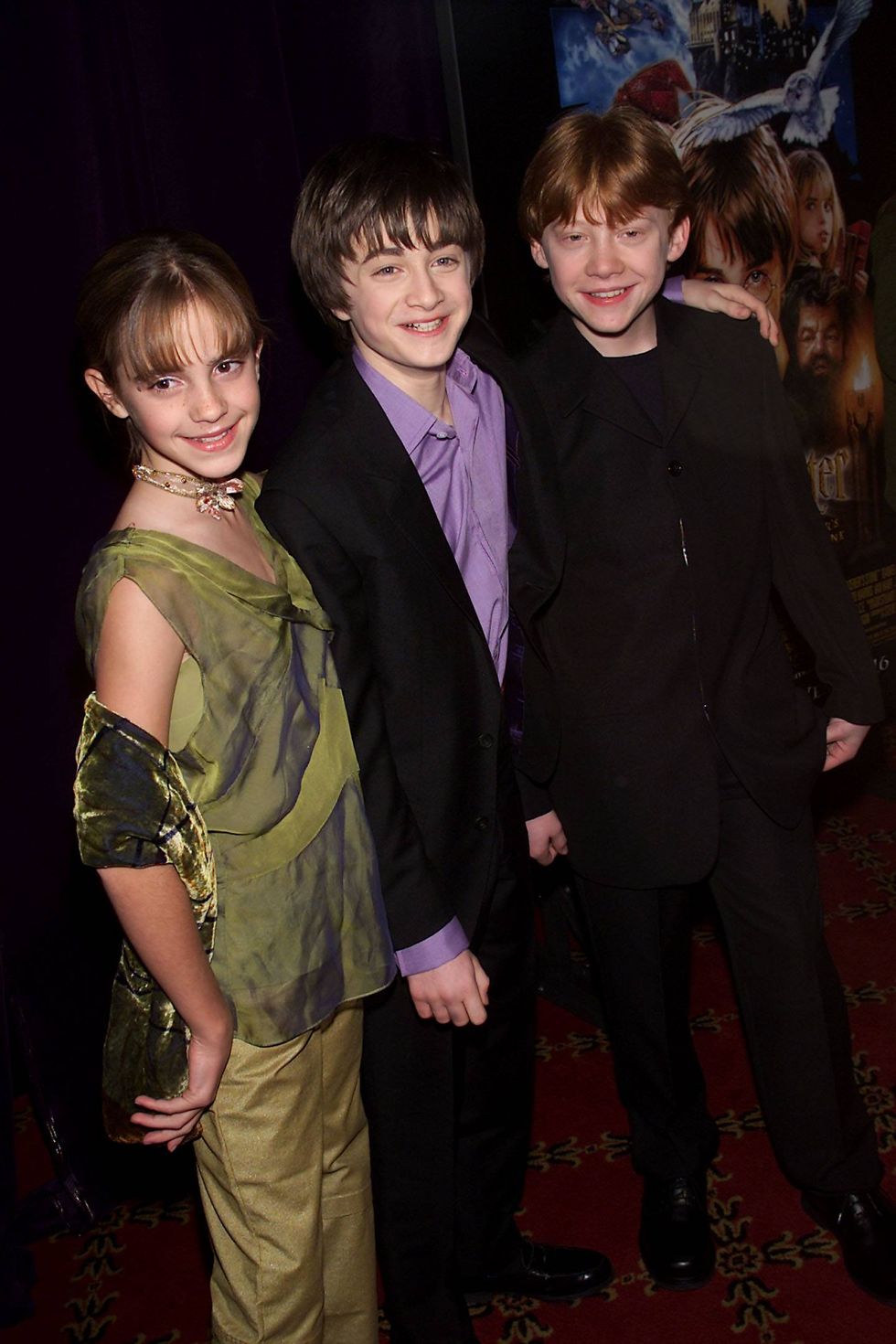
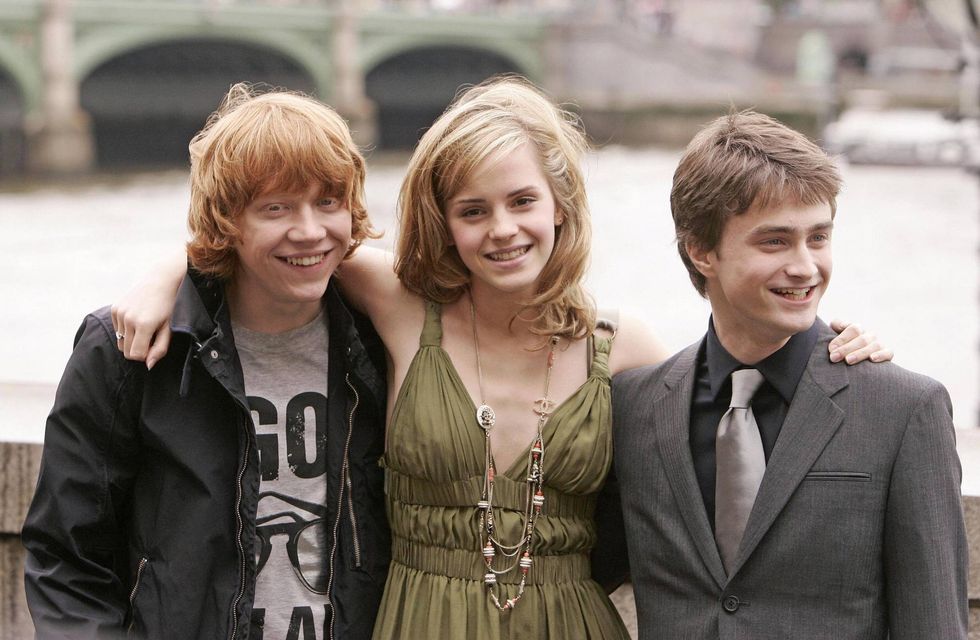
These stories used to reflect the hopes and futures of young people. Now, the endless nostalgia loop stifles their ability to dream. At least with The Hunger Games, fans are treated to adaptations of original new stories released by the author, Suzanne Collins, from within the fictional universe. For fans of Harry Potter, another story of kids fighting the bad guys — and winning! — HBO has invested over five and a half billion dollars to recreate a story in television format that already has a successful, acclaimed, and relatively recent movie series within its franchise. And a West End show. And theme parks in the UK and Florida.
There is, presumably, an audience for the new Harry Potter series, which poses the question: what would Hogwarts look like if it were filmed like The Social Network? This audience doesn’t seem to be anywhere online, where the trailer was immediately met with disdain. Or, anecdotally, in person. Most of my friends were Harry Potter fans as children. We’ve not even really discussed it. With J.K. Rowling setting another cultural shift after the conclusion of the series with her virulent transphobia, it seems we’ve progressed beyond believing in it.
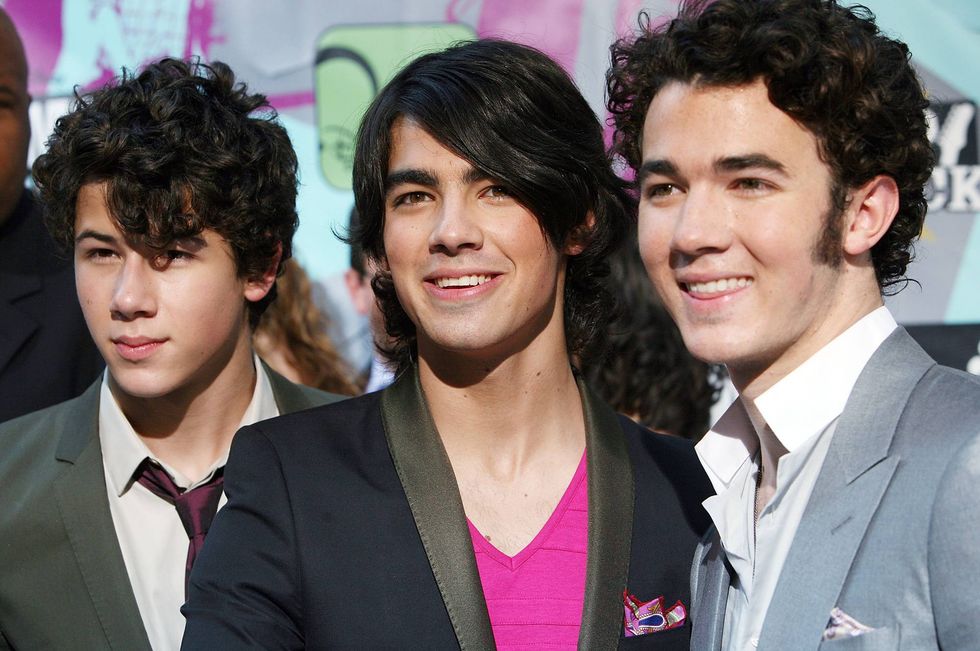
Within the noughties adaptations sphere, the sequel to The Devil Wears Prada 2 was greeted with more excitement. (And some disdain.) There’s a West End adaptation of that going on too, by the way. As is the case with Mean Girls. Miley Cyrus seemed genuine in her championing of the Hannah Montana 20-year anniversary last month. As for Demi Lovato: whilst serving as executive producer of Camp Rock 3 alongside the Jonas Brothers, she will not star in it, letting the noughties’ favourite bro-band take centre stage in the Disney Channel film as they last did, all the way back in 2010.
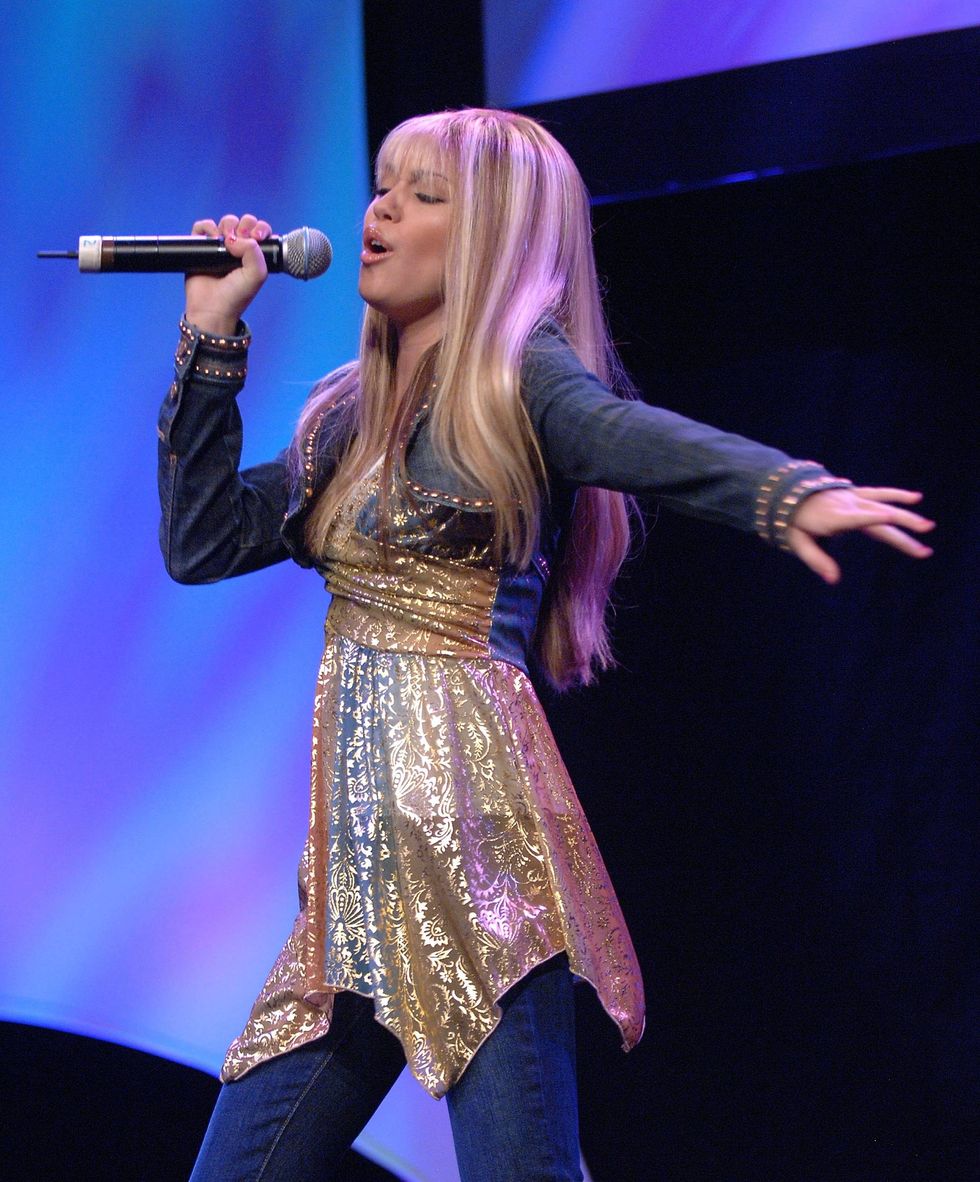
I think it’s noble that Demi Lovato is even involved at all. At least with Miley Cyrus, her Disney product was a personal — and, personally, moving — reclamation of a childhood role she infamously discarded as quickly as possible. (Speaking of The Hunger Games, remember when she tweeted “I wanna see the new Hunger Games but that means I’ll have to look at my ex for 2 fucking hours?” Good times.) Camp Rock 3 follows the same alchemical formula as the other aforementioned reboots, revisiting source material so recent, these former child stars are merely in their mid-thirties.
The kids have now grown up and they now have disposable income. Let’s repackage childhood and sell it back to them.
It would be wrong to argue there’s no space for nostalgia in culture. Of course there is, because humans are nostalgic by nature, whether that be for personal memory or a time we never actually experienced. Just look at the enthusiasm surrounding Love Story, and its depiction of a ‘90s New York City that neatly reflects the enduring adoration of the Sex and The City universe. (Look, if you’re going to revisit a beloved source, at least include Patti LuPone.) The biggest fans aren’t those that experienced New York that decade, but a whole new audience of Gen Z and Gen Alpha, who long for a time when a magazine writer could afford to rent a one-bedroom flat, or a fashion PR girlie could marry America’s most charming, celebrated bachelor.
Art is not created in a vacuum; it is not conceptualised without context, but mirrors the conditions that produce it. Especially on the scale of sweeping, international phenomena, its relevance rests upon how well it interprets the present. Harry Potter, first conceived in 1990, is a post-Cold War product of good — love, friendship, stable governmental democracy — triumphing over evil. The Hunger Games, similarly, came in a time that it was entirely believable that resistance was winnable, and that an individual, even a stubborn, independent thinking teenage girl, could change the world. On the Disney Channel, the beloved noughties classics of Hannah Montana and Camp Rock, both with themes of pure talent leading to fame and celebrity, were presented to children raised in peak tabloid culture, when the American Dream was still as vivid, as present, as Fourth of July fireworks.

Even Greta Gerwig’s 2023 Barbie took a multi-generational symbol of blonde beauty and repurposed it into a tale of womanhood. Critics are right to question its liberal feminism approach, but it spurred a summer of discourse of women’s rights, and men’s role within it. Crucially, and, sadly, excitingly by novelty, it inspired scores of little girls with its depiction of Barbies as doctors, lawyers, the President, played by a range of actresses that included trans women, women of color, women outside the Western beauty standard.
It’s ironic — if not, actually, just jarring — that cultural commentary around the “post-pandemic” years is shaped by a narrative of No New Ideas for Gen Z, when the higher powers above don’t seem to have any interest in pursuing newness. Instead, an entire generation is being fed from the nostalgia farm older generations were raised on. Can both exist in tandem? Theoretically, maybe, but in a practical application, ideas reflecting the present world are sidelined in the mainstream for alternative avenues of consuming tales of times that have by now, gone by.
Where is the Sabrina Carpenter promo folk song for whatever new dystopian tale being told mirroring the world of 2026? Who will write a sprawling literary tale of ecological collapse and headstrong youths? God knows there’s ample ground for it.
Evidently, there is space for reimaginations of former cultural sensations: they just have to be purposefully shaped to reflect the cultural, social and political moment of today. Generating a net profit of over four hundred million dollars for Warner Bros, Barbie became the studio’s highest grossing film. It overtook none other than Harry Potter and The Deathly Hallows, Part 2.
Images via Getty