St Barth Is Hosting a Five-Day Rum Festival With Beach Parties and a World Championship
The tables are lined with bottles from across the Caribbean. Some are aged molasses rums, dark and complex after years in oak. Others are rhums agricoles made from fresh sugarcane juice, carrying the distinct character of Martinique, Guadeloupe and the French Caribbean. Outside, St. Barth is doing what St. Barth does: long lunches, white-sand beaches, […] The post St Barth Is Hosting a Five-Day Rum Festival With Beach Parties and a World Championship appeared first on Caribbean Journal.
 Black News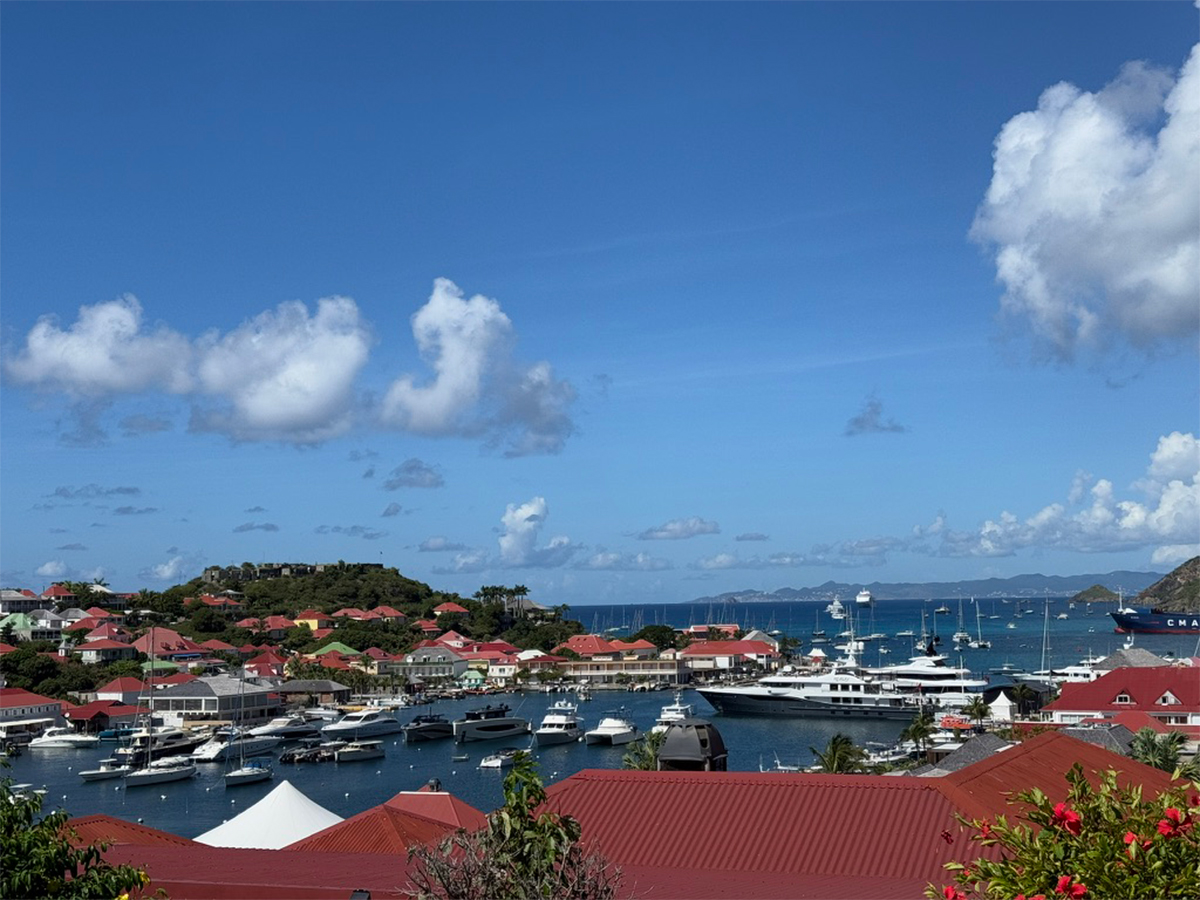
The tables are lined with bottles from across the Caribbean. Some are aged molasses rums, dark and complex after years in oak. Others are rhums agricoles made from fresh sugarcane juice, carrying the distinct character of Martinique, Guadeloupe and the French Caribbean.
Outside, St. Barth is doing what St. Barth does: long lunches, white-sand beaches, villa terraces and evenings spread across some of the Caribbean’s most celebrated restaurants.
This October, the tiny French Caribbean island is turning into the center of the rum world.
The Caribbean Rum Awards are returning to St. Barth from Oct. 26-30, bringing five days of blind judging, beachfront parties, rare-rum tastings and chef-driven dinners to the eight-square-mile island.
Now entering its ninth year, the Caribbean Journal-owned event has developed into one of the region’s leading celebrations of Caribbean rum, bringing together distillers, master blenders, sommeliers, collectors, hospitality executives and enthusiasts.
At the center is an international competition featuring rums from across the region. Around it is a full St. Barth experience: a White Party beside the beach, the official judging, a major beach celebration, an invitation-only tasting and a final multi-course pairing dinner.
The result is part spirits competition, part culinary festival and part St. Barth vacation.
Five Days on St. Barth
The festival begins Monday with the White Party at Les Îlets de la Plage, the beachfront hotel near St. Jean that has become the traditional opening setting for Caribbean Rum Awards week.
It is the social beginning of the event, bringing together visiting rum producers, judges, partners and attendees beside one of St. Barth’s best-known stretches of sand.
Tuesday turns to the competition itself.
During the official Rum Judging, an international panel evaluates entries in a closed blind tasting. Labels are concealed, reputations are removed from the equation and every bottle is assessed solely on what is in the glass.
The judging spans eight categories covering the broad range of Caribbean rum, from white and aged molasses expressions to rhum agricole, the sugarcane-juice spirit associated most closely with islands such as Martinique and Guadeloupe.
Wednesday brings the Beach Party, one of the most popular evenings of the week and a chance to experience the festival away from the judging table.
Thursday is devoted to the VIP Rum Tasting, an invitation-only event featuring bottles from the competition alongside other significant Caribbean expressions.
The week concludes Friday with the Rum Pairing Dinner, a multi-course culinary event matching Caribbean rums with a menu created specifically for the evening.
The dinner has become one of the signature experiences of the awards, demonstrating how aged rum and rhum agricole can work at the table in much the same way as wine, whisky or Cognac.
The $400 Rum Showdown
The competition’s most closely watched bottles appear in two categories: Uber-Premium Molasses Rum and Uber-Premium Rhum Agricole.
Every entry in those divisions retails for more than $400 per bottle, creating a field of rare releases, prestige bottlings and long-aged expressions from some of the Caribbean’s most respected producers.
The winner of each category then advances to the Caribbean Rum Awards’ final contest.
One molasses rum and one rhum agricole go head-to-head for the World Championship, the event’s highest award.
The matchup reflects the two great traditions of Caribbean rum.
Molasses-based rum represents the style made throughout much of the English- and Spanish-speaking Caribbean, including Jamaica, Barbados, Guyana, Puerto Rico and the Dominican Republic.
Rhum agricole is distilled directly from fresh sugarcane juice, a tradition with deep roots in the French Caribbean. The style is often grassy, aromatic and expressive of the cane and soil from which it comes.
Placing the two winners against one another creates an unusual final: two very different interpretations of sugarcane judged for a single championship.
Why Rum Lovers Are Looking to the Caribbean
Caribbean rum has entered a new period of international attention.
Collectors are searching for single-cask releases, older vintages and limited bottlings. High-end cocktail bars are expanding their rum lists. More restaurants are treating premium rum as a serious after-dinner spirit rather than simply an ingredient for tropical drinks.
The region’s producers have responded with increasingly ambitious releases, including vintage rums, estate-grown agricoles, independent bottlings and expressions aged for decades.
The Caribbean Rum Awards were created to place those bottles before an international judging panel while preserving the spirit’s connection to the region where it began.
“What started as a celebration of the region’s distillers has become something genuinely larger — a platform that puts Caribbean rum in front of the global audience it has long deserved,” said Alexander Britell, founder and editor in chief of Caribbean Journal and founder of the Caribbean Rum Awards.
“The talent coming out of the region’s distilleries right now is extraordinary, and the Caribbean Rum Awards exist to make sure that talent gets the recognition it has earned.”
The awards recognize more than brands. They also highlight the work of distillers and master blenders whose decisions determine how a rum develops, from fermentation and distillation to barrel selection and final blending.
Many of those traditions have been passed through generations, even as producers experiment with new casks, longer aging periods and smaller production runs.
Why St. Barth Works
St. Barth may be small, but few Caribbean islands concentrate as many acclaimed hotels, restaurants, villas and bars into such a limited area.
Gustavia has a lively harbor dining scene, while St. Jean brings together beaches, restaurants and some of the island’s best-known hotels. Colombier, Lorient, Grand Cul-de-Sac and Pointe Milou each provide a different setting within a drive of less than 30 minutes.
The island also has strong ties to the wider French Caribbean, where rhum agricole is woven deeply into dining and social culture.
Those qualities have made St. Barth a natural gathering place for an event built around rum, restaurants and hospitality.
The festival does not take place inside a single convention center. Its events are held across the island, allowing attendees to experience St. Barth as part of the week.
A judging session may be followed by an afternoon at St. Jean. A tasting can lead into dinner in Gustavia. The program works as both an awards event and a reason to spend five days exploring the island.
The Hotels and Villas
St. Barth has one of the Caribbean’s deepest collections of luxury places to stay.
Les Îlets de la Plage, home of the opening White Party, is a villa-style beachfront hotel overlooking St. Jean Bay.
WIMCO St. Barth Properties, a platinum sponsor of the Caribbean Rum Awards, represents an extensive portfolio across the island, ranging from one-bedroom retreats to large homes designed for groups.
A villa can be particularly appealing during the awards, allowing friends or fellow rum enthusiasts to attend events together while building the rest of the week around beaches, restaurants and private dinners.
Getting to St. Barth
Most visitors reach St. Barth through another Caribbean gateway.
Tradewind Aviation, also a platinum sponsor of the event, operates scheduled flights to St. Barth from San Juan, St. Thomas and Antigua, along with private charter service across the region.
The final arrival into Gustaf III Airport is one of the Caribbean’s most distinctive flights, descending over the island’s hills before touching down beside St. Jean.
The festival gives attendees the opportunity to encounter many of those traditions within one week.
You may taste a grassy unaged agricole one evening, a decades-old molasses rum the next and a rare limited release during the VIP event. Distillers and brand representatives are present to explain where the bottles come from and how they were produced.
The 2026 edition will also place the event one year away from its 10th anniversary, an important milestone for a festival built around a category whose global reputation continues to grow.
St. Barth already gives people plenty of reasons to visit in October: quiet beaches, celebrated restaurants and the relaxed period before the height of winter.
This year, it will also offer five days devoted to some of the rarest and most compelling rums in the Caribbean — including a final contest to decide which bottle deserves to be called the world champion.
The post St Barth Is Hosting a Five-Day Rum Festival With Beach Parties and a World Championship appeared first on Caribbean Journal.