The conflicting relationship between Uganda and the United States
The general public which included both government and the opposition had been anxious about the continued silence of the White House or their representatives about the recently concluded polls in Uganda.
 Black News

By Richard Bard Byamukama
The January 15, 2026 General Election in Uganda saw the incumbent President Yoweri Museveni being declared the overall winner after reportedly scoring 71 percent of the total votes’ count.
Since then, the general public which included both government and the opposition had been anxious about the continued silence of the White House or their representatives about the recently concluded polls in Uganda.
The 2026 election results were however rejected by the National Unity Platform Party citing unprecedented levels of vote rigging, voter intimidation, and military involvement in the polls.
At least, this was stated by as quoted the National Unity Platform (NUP) party President Robert Kyagulanyi Sentamu, (Bobi Wine), while on his socials while speaking from hiding.
This was followed by his exit from the country taking route to the United States in a move that remains ‘a controversial exit’ to many who have since questioned his ability to bypass the country’s intelligence and security apparatus throughout his secret hiding tenure.
Many claims have since emerged, that Bobi Wine was sneaked out of the country through the Entebbe International Airport by the regime’s big wigs with many citing General Salim Saleh a young brother to President Museveni and Ugandan Ambassador to the United Nations Adonia Ayebale.
However, these claims remain un-verified not until a future declassification is made by officials or ex-officials from the government or the NUP party, or even the US-Embassy.
The existing claims have only been based on analysis of events to form collaborative facts which could be true or false.
Some analysts like Mubarak Munyagwa the Common Man’s Party president and a participant in the same presidential election, Frank Gashumba among others have since asserted that his secret hiding was ‘a planned political stunt’ with the state (regime) to hoodwink his foot soldiers and Ugandans who had voted for him.
These further hold belief that while in hiding, Bobi Wine negotiated cash outs with the regime in order to calm down his hopeless voters with hope that he had an alternative plan to claim his alleged victory.
The likely scripted turn of events led to an-attack on Bobi Wine’s home in a deliberate move to creates an asylum justification for his wife Barbra Itungo Kyagulanyi on grounds of political persecution and insecurity a move that successfully saw her exit to the United States before being followed by the husband.
The earlier opinions all together underpin the continued unverified claims of Bobi Wine being President Museveni’s proxy, with direct handlers like Secretary General David Lewis Rubongoya and Party treasurer Benjamin Katana.
Both Katana and Rubongoya have had a history linked to Museveni’s Intelligence network, and direct financial upbringings from him since their childhoods.
This however creates a good strategic point of discussion on whether the Americans and other foreign governments know or intend to know about the continuous allegations of Bobi Wine being a regime agent? Secondly, would the Americans continue dealing with an opposition mole planted by the regime?
Known for having a conflicting relationship concerning accountability, human rights, civil liberties among others, the United States government remained silent about the election results and subsequent post-election dynamics as discussed earlier on.
As diplomatic partners, one would expect a congratulation but neither a congratulatory nor a despising comment was made about the election process and the figures which was an un-predictable dynamic regarding their stance about the election.
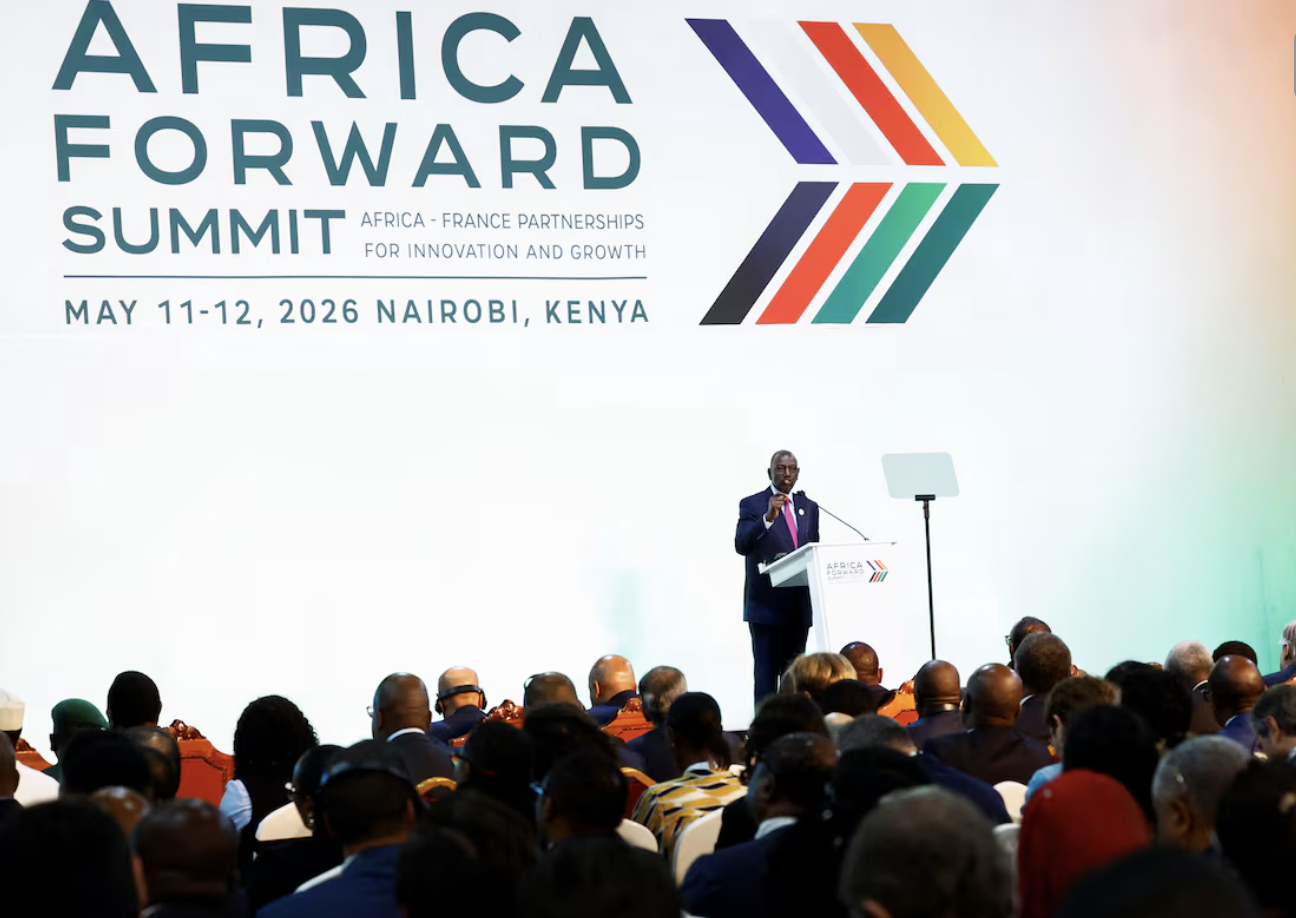
However, in a dramatic turn of events, Mr. Nick Checker the Bureau of African Affairs Chief at the US Department of State led a public delegation that attended president Museveni’s swearing in held on Tuesday 12th May, 2026 at Kololo grounds in Kampala.
This shift of events points to possibilities of shuttle, backchannel or any other forms of quiet diplomacy between the U.S and Ugandan government in regards to the election and their continued co-operation.
Another possibility arises from the possibility of knowledge by the U.S government about the political stunts or games surrounding Bobi-Wine’s post-election fracas because they (Americans) have intelligence capabilities to know the truths of the events (disclaimer: these two possibilities opinions by the writer but are not assertions, but mere likelihoods in the circumstance. They could therefore be true or false).
However, there have been long term strategic interests between Uganda and the United States ranging from trade co-operations, geo-political security, counter-terrorism efforts in the region, general security co-operations among others, despites several concerns from the United States regarding the human rights standards, suppression of civil liberties, transparency among others.
These concerns have resulted in both criminal and financial sanctions targeting several government officers including the speaker Anita Among, trade restrictions such as tariffs and the abrupt termination of Uganda from the AGOA treaty, visa restrictions among others.
In the new term, concerns exist about the relationship between the two countries; to me as the writer, a relationship with Washington is a good one and the two parties should along the way have mutual respect and attention to concerns from either side.
This should include fundamental concerns such as human rights, counter-terrorism efforts, trade, financial assistance, general security, transparency and accountability among others.
Will this be upheld by both sides?
Is it the end of the beginning or the beginning of the end to a conflicting US-Uganda Relations?
Richard Bard Byamukama is a lawyer and a scholar taking security studies
byamukamarichardbard@gmail.com