Black Journalism’s First Power Couple: Ida B. Wells and Ferdinand Lee Barnett
The Birmingham Times Long before the modern civil rights movement, Ida B. Wells and Ferdinand Lee Barnett built a partnership based in activism, journalism and a mutual determination to fight racial injustice. Their marriage was not simply a love story; it was a bond of two people committed to using their voices, pens and public […]
 Black News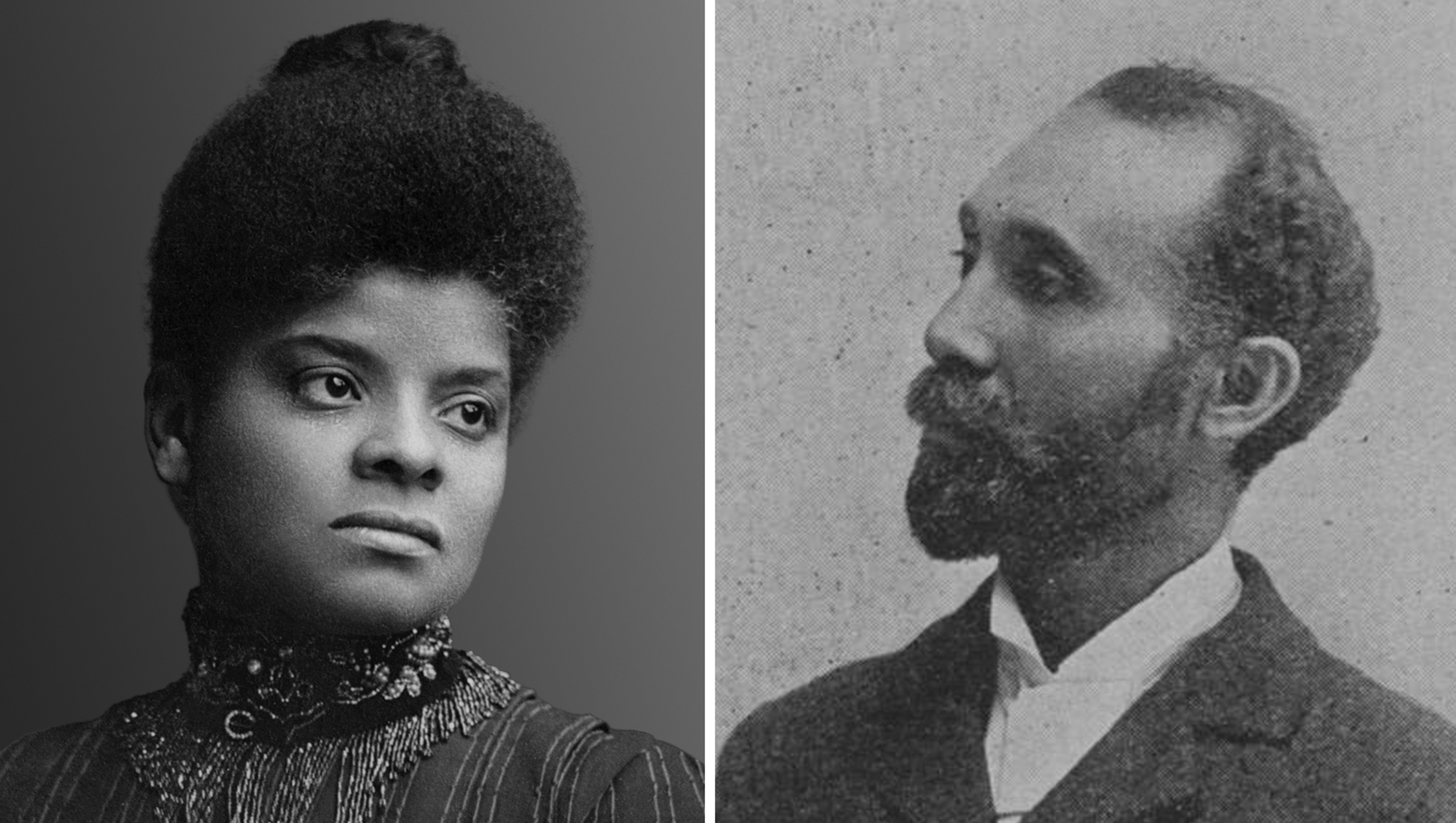

The Birmingham Times
Long before the modern civil rights movement, Ida B. Wells and Ferdinand Lee Barnett built a partnership based in activism, journalism and a mutual determination to fight racial injustice. Their marriage was not simply a love story; it was a bond of two people committed to using their voices, pens and public influence to challenge oppression in America at the turn of the 20th century.
Wells, born into slavery in Holly Springs, Mississippi, in 1862, became an internationally known journalist, women’s suffragist, and anti-lynching activist. After the lynching of three Black men in Memphis in 1892, including her close friend Thomas Moss, Wells began investigating the true causes behind lynching in the South. Her reporting exposed how accusations against Black men were often fabricated to justify racial terror and economic control. Her outspoken editorials enraged white mobs, leading to the destruction of her newspaper office in Memphis and threats against her life. Forced to leave the city, she continued her anti-lynching work from the North, writing articles, publishing pamphlets and lecturing across the United States and abroad.
How Ida and Ferdinand Met
It was this anti-lynching work that ultimately led Wells to Barnett. In 1892, Barnett was involved in meetings responding to the Memphis lynchings that had so deeply affected Wells. A prominent Chicago attorney, activist, and publisher of The Conservator, the first African American newspaper in Chicago, Barnett was already well known for championing Black civil rights. When Wells attempted to sue a newspaper that attacked her outspoken position on lynching, she sought legal representation and was introduced to Barnett after being unable to meet with another noted attorney. Though the challenging case was eventually dropped, the connection between the two grew into a partnership that would influence both of their lives.
Ida B. Wells had finally met her intellectual and political equal. Barnett admired her courage and brilliance, while Wells respected his legal expertise, journalism background, and devotion to social justice. Because of these values, their relationship was both romantic and revolutionary. Still, Wells refused to abandon her work for marriage. According to the University of Chicago Library, she postponed their wedding three times in order to maintain her rigorous anti-lynching lecture schedule.
The Wedding Day
When the couple finally married on June 27, 1895, at Bethel African Methodist Episcopal Church in Chicago, the event made front-page news. Newspapers serving both Black and white readers covered the wedding, a reflection of the prominence both Wells and Barnett had achieved.
In her autobiography, Wells wrote, “The interest of the public in the affair seemed to be so great that not only was the church filled to overflowing, but the streets surrounding the church were so packed with humanity that it was almost impossible for the carriage bearing the wedding bridal party to reach the church door.”
According to an article in the New York Times, the bridesmaids wore lemon crepe dresses set off with white ribbons, slippers and bows. Wells strolled down the aisle in a white satin-trained gown trimmed with orange blossoms.
Balancing Activism and Family Life
After the marriage, Wells hyphenated her name to become Ida B. Wells-Barnett. She did this at a time when women were expected to give up their identities entirely after marriage.
Marriage did not slow Wells-Barnett’s activism. Instead, the couple continued their work together. Wells-Barnett became editor and later sole owner of The Conservator after purchasing her husband’s shares in the newspaper. She also continued publishing anti-lynching investigations, including “A Red Record” in 1895, one of the earliest statistical studies of lynching in America. Meanwhile, Barnett remained active as an attorney, civil rights advocate, and journalist who supported the advancement of Black political power in Chicago.
Together, they balanced activism with family life. The couple had four children: Charles Aked Barnett, Herman Kohlsaat Barnett, Ida B. Wells Barnett Jr. and Alfreda Marguerita Barnett Duster. The Barnetts also raised two sons from Ferdinand’s first marriage to Molly Graham, who died when their children were very young.
Motherhood did not end Wells-Barnett’s public work. After the birth of her first child, she continued traveling to lecture and organize, often bringing her nursing baby along with her. Supported by Barnett and the Women’s State Central Committee, which employed a nurse to assist during her speaking tours, Wells-Barnett remained deeply engaged in political organizing and investigative journalism.
The Work Continues
The couple’s partnership reached beyond anti-lynching activism. Wells-Barnett became a leading voice in the women’s suffrage movement. She helped found several suffrage organizations for Black women, including the League of Colored Women, the National Association of Colored Women and the Alpha Suffrage Club, which uplifted the concerns of working-class women regarding race, gender and class.
Barnett likewise used his legal and journalistic influence to fight for civil rights and equal opportunity for African Americans in Chicago and beyond. Another collaborative effort between the couple was the Negro Fellowship League that Ida founded to help African Americans who came to Chicago during the Great Migration find housing, jobs and social connection. Barnett served as the lawyer for the League.
Their marriage represented something rare for the era: a relationship in which both partners viewed each other as equals in intellect, ambition, and purpose. Rather than demanding Wells-Barnett retreat into domestic life, Ferdinand Barnett supported her continued activism and public leadership. Together, they demonstrated that a marriage could become a powerful force for change.
Sources: The University of Chicago, Encyclopedia Britannica, BlackMetropolis.org, WomensHistory.org, Wikipedia.org, The New York Times
Built to Last: Share Your Love Story
 What does lasting love look like? Maybe it’s handwritten notes tucked into lunch bags, dancing in the kitchen after a long day, praying together through hard seasons, or simply choosing each other again and again over the years. Whatever your story looks like, we want to hear it.
For years, the Birmingham Times has celebrated local couples and the love that binds them through our popular “You Had Me at Hello” column. Now, we’re looking for more inspiring stories of commitment, partnership, laughter, resilience, and romance.
Have you been married seven years or longer? Tell us the secret to your enduring love. No relationship is ordinary, and every couple has a story worth sharing. Your journey could encourage newlyweds, inspire singles, or remind readers that lasting love still exists.
Whether your love story began with a blind date, a high school romance, a chance encounter, or friendship that grew into forever, we’d love to feature it.
To be considered for a future “You Had Me at Hello” column or to nominate a couple you admire, email editor@birminghamtimes.com with the couple’s names, contact information, and the number of years they’ve been married.