The EPA Could Make It Harder to Fight Polluting Data Centers
Public hearings and permit records have helped communities challenge massive data centers and their pollution. Now, the EPA is considering making that public participation optional, potentially weakening one of residents’ few opportunities to push back. The post The EPA Could Make It Harder to Fight Polluting Data Centers appeared first on Word In Black.
 Black News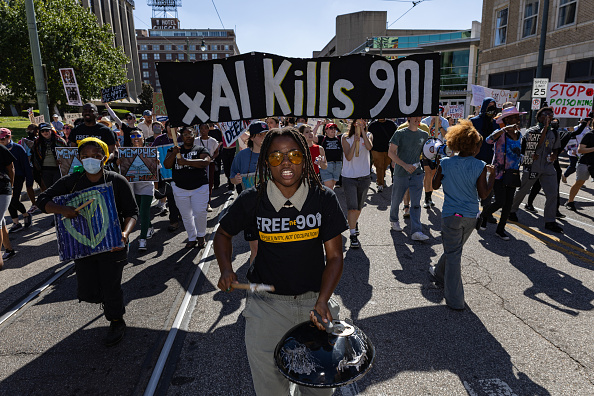


When news broke that Elon Musk was building a massive AI data center near a historic Black neighborhood in Memphis, the backlash was swift and intense. Activists organized protests, residents packed public hearings to speak out, and environmentalists joined civil rights groups and sued Musk.
Now, the Environmental Protection Agency wants to let Musk and other data center developers keep their permit applications for new projects under wraps — even if they might harm air or water quality for local communities.
LEARN MORE: AI’s Data Center Boom Keeps Finding Black Communities
A draft EPA proposal currently under consideration would allow data centers to skip notifying the public when applying for new air pollution permits. It would also exempt developers from a 30-day public comment period before any permit approvals.
Secret Permits
If the EPA adopts the proposal, local and state agencies could set pollution standards and issue permits behind closed doors, without public input. That’s bad news for Black communities, which have borne the brunt of the data center construction boom and have used publicly available information to organize opposition.
Data centers and other industrial sources should not be able to get their air pollution permits in secret.
keri powell, southern environmental law center
Keri Powell, an attorney who runs the Air Program at the Southern Environmental Law Center, said in a statement that the draft proposal would allow the EPA and potential polluters to privately cut deals against the public interest.
“Data centers and other industrial sources should not be able to get their air pollution permits in secret,” Powell said. “Communities deserve a chance to weigh in before the government allows a new or expanded industrial facility to increase harmful pollution in the air they breathe.”
But the EPA says the change is simply meant to cut red tape.
Data Center Boom
An EPA spokesperson told The New York Times that the proposal would “responsibly speed up permitting, supporting American economic development and energy dominance. Our proposal does not alter emission standards or weaken environmental protections.”
The proposed change would overhaul a 50-year-old rule that requires new industrial facilities like car repair shops, landfills, and steel mills — classified as minor polluters — to post a public notice when applying for air pollution permits. It also mandates a 30-day public comment period before any approvals are made or permits issued.
The change comes as new data center construction booms, despite becoming a major source of contention with neighboring communities. In many instances, developers want to build gigantic facilities with huge footprints, run with powerful generators that add emissions to areas already struggling with poor air quality.
For example, Musk’s Colossus project in Boxtown, a community founded by freedmen, gets its electricity from nearly 70 gas-powered turbines installed without permits. And Project Marvel, a data center planned for the majority-Black city of Bessemer, Alabama, will cover as much ground as 18 Walmart superstores.
South is Targeted
A report by the nonprofit MediaJustice found that the South is at the heart of the data center boom, with $200 billion worth of projects under development across the region. More than half of the nation’s Black population is in the South.
While the changes the EPA wants to make wouldn’t affect how emissions are regulated, public notice and public comment are important sources of information about development plans, and a key way to push back against them.
RELATED: Data Center Deal Put Bessemer’s Public in the Dark
At the beginning of 2025, after months of public pressure against the project, Musk’s company finally applied for permits to run the gas turbines it had already installed at Colossus to power the first Grok supercomputer.
In April, the Shelby County Health Department held a public hearing, as required by current EPA rules, attended by more than 200 people who were nearly unanimously opposed to the data center and its power source.
The permits were still granted.
The post The EPA Could Make It Harder to Fight Polluting Data Centers appeared first on Word In Black.