Tribeca 2026 Review: Questlove’s ‘Earth, Wind & Fire’ Doc Explores the Complexity of Maurice White
In the hands of director Ahmir “Questlove” Thompson, the story of Earth, Wind & Fire we get yet another musical documentary from a man that knows how to tell stories about deeply human complicated people. Best known for Summer of Soul (…Or When The Revolution Could Not Be Televised) for which he won an Oscar… The post Tribeca 2026 Review: Questlove’s ‘Earth, Wind & Fire’ Doc Explores the Complexity of Maurice White appeared first on Black Girl Nerds.
 Black News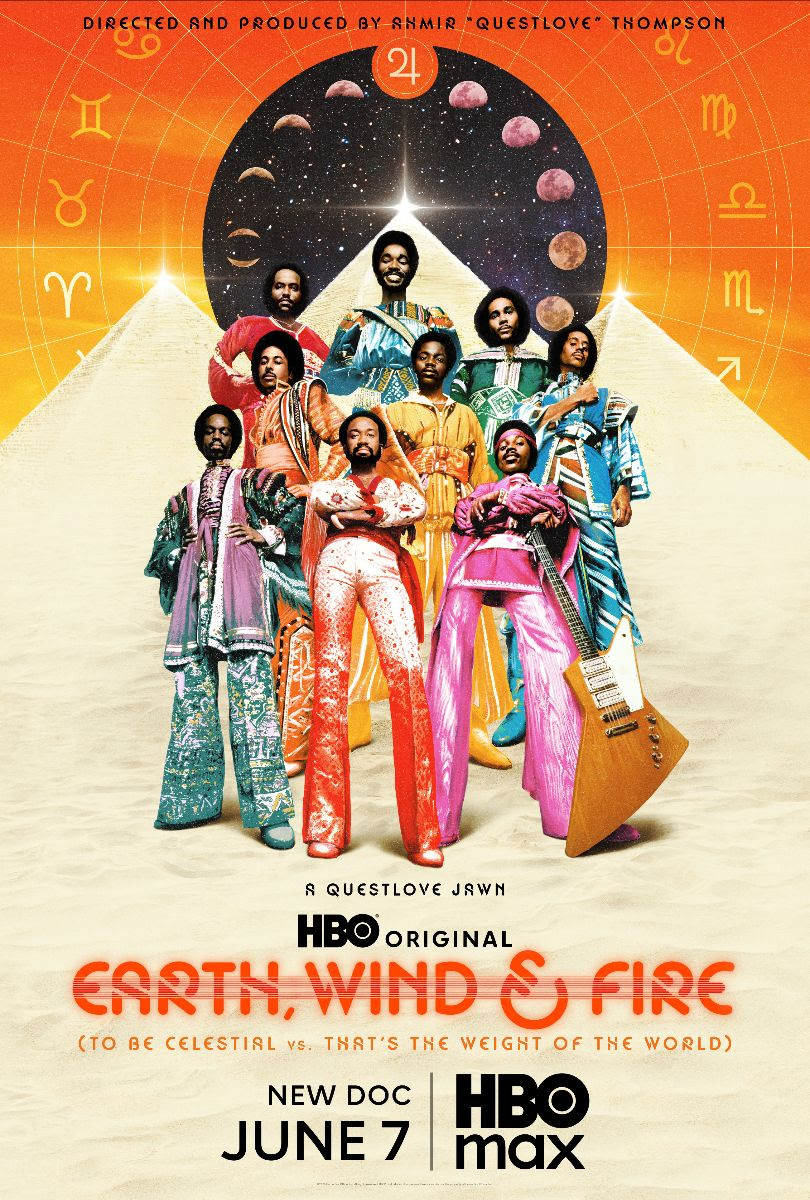
In the hands of director Ahmir “Questlove” Thompson, the story of Earth, Wind & Fire we get yet another musical documentary from a man that knows how to tell stories about deeply human complicated people. Best known for Summer of Soul (…Or When The Revolution Could Not Be Televised) for which he won an Oscar for and most recently unveiling the charismatic and enigmatic life of Sly Stone in Sly Lives! (aka The Burden of Black Genius). He brings a new story about the band Earth, Wind & Fire in the documentary from HBO Earth, Wind & Fire (To Be Celestial vs. That’s the Weight of the World)
This spiritual archive examines the group but mostly places its focus on the band’s leader Maurice White, whose vision for Earth, Wind & Fire is treated with both reverence and nuance. Treating his story like a vibrating memory, the documentary traces his early life and spiritual curiosity, framing him not just as the conceptual architect obsessed with alignment, astrology, metaphysics, and the idea of collective uplift. But with all of that ambition did come with a price.
Questlove treats this particular doc less like a linear biography and more an immersive experience. And to be fair, that’s become a signature of his work within the space of musical documentaries. The narrative is like a sensory collage, leaning into rhythm, texture, and emotion over chronology. The result feels intentionally cosmic; much like White’s own passion for metaphysics himself, as well as echoing the band’s own philosophy that music is not just entertainment, but a vehicle for elevation.
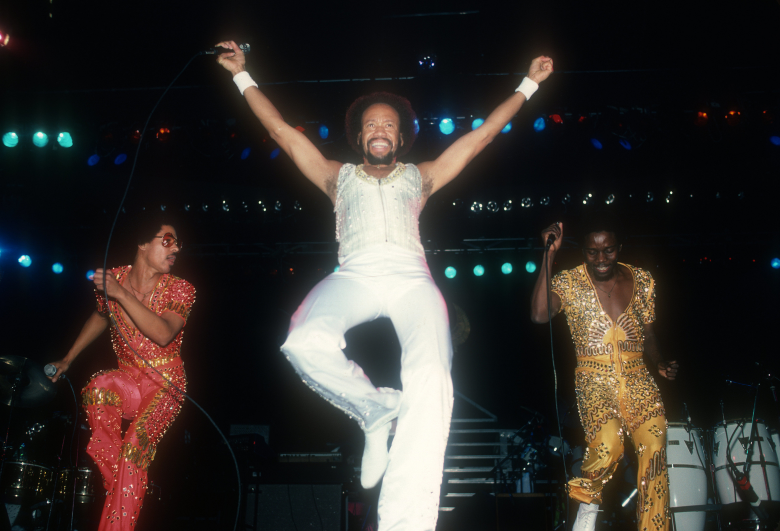
Maurice White’s ambition to fuse jazz, soul, R&B, Afro-funk, and disco into something universal is presented as both revolutionary and, at times, personally costly. The film does not shy away from the emotional toll of that vision, especially on relationships within the group, but it refuses to reduce him to a cautionary tale. There were even moments that I personally learned about the fracture of those relationships that forged new ones that led to new solo opportunities.
Questlove leans into the complexity of Maurice White who emerges as someone chasing transcendence through arrangement, staging, and sound, often pushing the music into theatrical realms that felt almost ceremonial. That tension between “celestial” aspiration and “the weight of the world” becomes the film’s emotional spine.
What makes the documentary especially powerful is its archival richness. Rare and previously unseen footage pulses with life, giving the viewer the sense that Earth, Wind & Fire were not just performing songs, but building worlds onstage. Members of his family speak of growing up with White as father and the women of his life living with him as a lover.
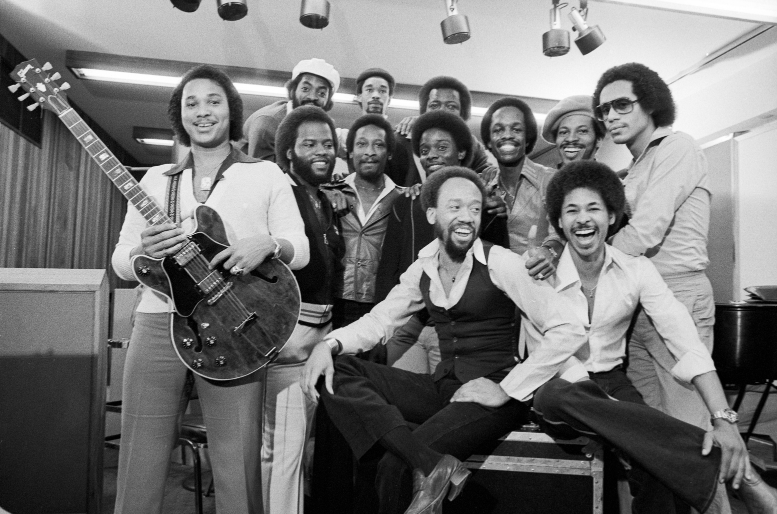
The concert sequences feel almost synesthetic, where color, horn blasts, choreography, and crowd response merge into something that borders on spiritual experience.
The interviews deepen the impact without slowing the momentum. Philip Bailey, Verdine White, and Ralph Johnson offer grounded reflections that balance affection with honesty. Their presence anchors the film in lived experience rather than mythmaking. Meanwhile, contributions from figures like Stevie Wonder, Lionel Richie, H.E.R., Flea, and even President Barack Obama and First Lady Michelle Obama underscore just how far the band’s influence extends beyond music into cultural identity and national memory.
One of the film’s most compelling threads is its exploration of legacy through sampling and reinvention. Earth, Wind & Fire’s DNA is everywhere in contemporary music, especially hip-hop and R&B, and Questlove smartly positions that influence not as nostalgia, but as continuation. The band’s sound is shown to be a living ecosystem, constantly reborn in new contexts.
Visually and structurally, the documentary embraces fragmentation. It resists the urge to “explain” Earth, Wind & Fire in a conventional sense, instead allowing viewers to feel their way through the story. At times this approach can feel sprawling, even slightly abstract, but that looseness feels intentional.
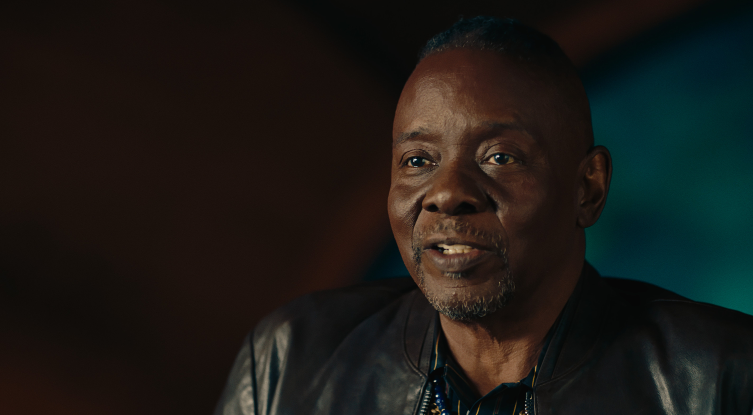
One particular critique I did have of the film is although the film provides an expansive history about the legendary band, the focus of the narrative leans heavily on White, the group’s founder. There is a story about Philip Bailey and his career outside of the group and yet that even paralleled into the downfall of White’s solo career after Earth, Wind & Fire disbanded.
Ultimately, Earth, Wind & Fire (To Be Celestial vs. That’s the Weight of the World) succeeds because it understands its subject on their own terms. It treats Earth, Wind & Fire as a philosophy of sound: expansive, spiritual, and relentlessly optimistic even in the face of chaos.
Questlove delivers another banger documentary that feels less like a history lesson and more like a transmission. It does not simply tell you why Earth, Wind & Fire matter. It lets you feel it in your chest, in your memory, and in the space between the notes.
The film made its premiere at the 2026 Tribeca Film Festival.
Earth, Wind & Fire (To Be Celestial vs. That’s the Weight of the World) premieres June 7th on HBO and will be available to stream on HBO Max
The post Tribeca 2026 Review: Questlove’s ‘Earth, Wind & Fire’ Doc Explores the Complexity of Maurice White appeared first on Black Girl Nerds.