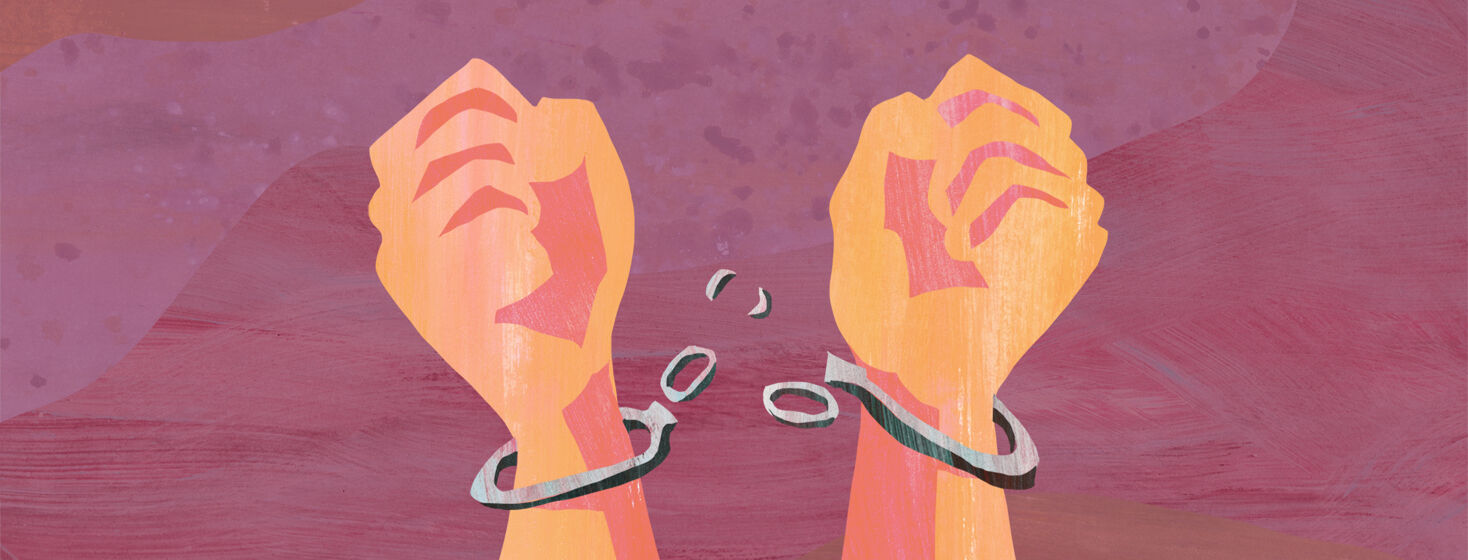
What Women Need to Know Now About Prediabetes
Prediabetes has become one of the most common conditions affecting women today. The CDC estimates that more than two in five American adults have prediabetes, and most don’t know it. […] The post What Women Need to Know Now About Prediabetes appeared first on Black Health Matters.
 Black News
Prediabetes has become one of the most common conditions affecting women today. The CDC estimates that more than two in five American adults have prediabetes, and most don’t know it. It develops quietly, shaped by stress, hormones, and the habits of daily life. What many women never hear is that prediabetes is also one of the most reversible conditions in modern health.
To help make sense of it, we spoke with Dr. Anyanate Gwendolyne Jack, who explains what is happening inside the body and what women can realistically do to turn things around.
How It Starts
Prediabetes often develops quietly, without symptoms, and Dr. Jack begins by grounding people in the organ that drives the entire process.
“I start by explaining that the pancreas, which is an organ in our body, makes insulin,” she says.
Insulin is the hormone that helps the body use glucose, the simple sugar that comes from food. After a meal, glucose enters the bloodstream and the pancreas responds.
“When we eat, our food is digested and broken down to glucose, which enters the bloodstream and stimulates the pancreas to produce insulin.”
Once insulin is released, the body shifts into a kind of metabolic choreography. Muscles, fat tissue, and the liver each have a role, and insulin is the signal that tells them when to move.
“Insulin allows the muscles and fat tissue to use the glucose from the bloodstream for energy, and it also stops the liver from making glucose when we are eating.”
Prediabetes begins when that choreography loses its rhythm. The signals are still there, but the body doesn’t respond with the same ease, and the system starts to strain.
“I typically explain that insulin resistance is when the body becomes less responsive to insulin hormone over time.”
At first, the pancreas pushes harder, trying to keep everything in balance. Over time, even that extra effort cannot keep blood sugar stable.
“As the pancreas continues to overwork it slowly becomes harder for it to keep up with the demand and the blood sugar rises.”
Why It Matters
Prediabetes is not diabetes, but it is the body’s early warning system. For many women, this stage becomes the window where small, consistent shifts can prevent years of future complications.
“Prediabetes is often reversible, and many women are able to bring their blood glucose levels back into the normal range by making lifestyle changes such as increasing physical activity, improving sleep, and healthier eating,” Dr. Jack says.
She also reminds women that biology still plays a role. A family history of diabetes or a natural tendency toward insulin resistance does not disappear, even when numbers improve. But a diagnosis is not a sentence. It is a pivot point.
“Think of prediabetes as it precedes the development of type 2 diabetes if it is left untreated.”
The science backs her up. Large clinical studies show that the body can respond dramatically to even modest changes, especially early on.
“Lifestyle changes such as regular physical activity and moderate weight loss such as 5 to 7 percent of body weight could reduce the risk of developing type 2 diabetes by more than 50 percent.”
Reversal vs Sensitivity
Reversal and insulin sensitivity often get discussed together, but they describe different parts of metabolic health. Reversal refers to blood sugar returning to a normal range. Insulin sensitivity describes how easily the body responds to insulin and how smoothly cells take in glucose.
“Reversing prediabetes and improving insulin sensitivity are related but they are not the same thing clinically,” Dr. Jack explains.
For many women, the body becomes more responsive to insulin before blood sugar fully normalizes. Energy may feel steadier and meals may feel easier long before lab results reflect those changes. The opposite can also happen. Some women bring their glucose levels back into the normal range while still having a tendency toward insulin resistance, especially when genetics or long-term habits influence their metabolism.
This is why progress often shows up in daily life before it appears in lab work. It is also why reversing prediabetes does not always mean insulin resistance disappears completely. Some women regain full sensitivity over time, while others remain more prone to resistance even with normal blood sugar.
Food That Fits
Many women worry that managing prediabetes means giving up foods they love or stepping away from the dishes that connect them to family and culture. Dr. Jack encourages a different mindset. She focuses on expanding meals rather than restricting them.
“Instead of focusing on subtracting foods that someone loves, it is helpful to think of adding healthier options that will multiply the health benefits of the meal.”
To make this feel realistic, she uses a framework she calls CARE, which stands for Culturally Adapted Recipe Exchanges. It allows women to keep the flavors and traditions that matter while making small adjustments that support their health.
“Making healthier switches that preserve the authenticity, culture, and taste of the meal.”
She also reminds women that food changes are easier when they are not doing it alone. Support at home and within a care circle can make new habits feel more natural and sustainable. One of her simplest strategies is to shift the order of eating, something anyone can try without altering the meal itself.
“Eating vegetables and protein before carbohydrates can lead to slower and smaller rise in blood glucose after meals and improved insulin sensitivity over time.”
Small Steps
Dr. Jack reminds women that meaningful progress does not require a dramatic lifestyle overhaul. Small actions, repeated consistently, create momentum.
“Small, sustainable changes often lead to significant improvements,” she says.
Her examples are simple enough to fit into real life. A short walk after meals. Taking the stairs. Parking a little farther away. Adding brief movement breaks during the day. Incorporating resistance training a few times a week. Protecting a regular sleep schedule. These shifts may seem minor, yet they build a foundation the body can rely on.
She also encourages women to use SMART goals. This approach helps turn intentions into actions by keeping goals specific, measurable, achievable, relevant, and time bound. It keeps the focus on what can be done today rather than on big, overwhelming changes.
“For example, a practical SMART goal for someone trying to increase physical activity might be: I will walk for 15 minutes after dinner five days a week for the next two months.”
Progress Takes Time
Prediabetes develops slowly, and improvement can follow the same pattern. Dr. Jack encourages women to think of metabolic health as a long-term process rather than something that changes overnight.
“It is helpful to think of metabolic health as a marathon not a sprint,” she says. “The development of prediabetes is a gradual process that takes months and years, so the improvement also takes time.”
She urges women to pay attention to their direction instead of the pace of their progress.
“It is often more important to focus on the direction in which you are moving instead of how quick the results are.”
Hormones and life stages also shape insulin resistance in ways many women do not expect. Stress and poor sleep can raise cortisol, which temporarily increases insulin resistance.
“Increased stress and inadequate quality sleep can contribute to the body temporarily making more hormones such as cortisol, which can contribute to insulin resistance.”
Conditions and transitions like PMOS, pregnancy, and menopause also shift how the body handles glucose. PMOS is closely tied to insulin resistance even in people who are not overweight. Pregnancy naturally increases insulin resistance to support fetal growth. Menopause changes fat distribution and inflammation, which can make insulin resistance more likely.
These shifts are not personal failures. They are part of the physiology of being a woman.
“Instead of blaming themselves, it is an opportunity for women to feel empowered to make small changes during these life changes.”
The Path Forward
Understanding prediabetes begins with understanding your numbers. A1C, fasting glucose, and fasting insulin each offer a different angle on how the body is handling sugar.
“It is often more helpful to interpret these labs together to get a fuller picture,” Dr. Jack says.
Tools like continuous glucose monitors and tracking apps can help women see how meals, sleep, stress, and movement shape their numbers in real time. Lifestyle remains the foundation of treatment, and medication is added when risk stays high.
“Sometimes medications may also be added as part of the treatment plan to further help with insulin sensitivity or to lower the blood glucose.”
Even before labs shift, the body often sends early signals that things are moving in the right direction.
“Increased muscle strength, fewer cravings, clearer thinking, improved energy, more restful sleep, better mood, increased exercise capacity.”
These early shifts matter. They show that the body is responding, even before the numbers do.
Prediabetes is not a fixed outcome. It is information that helps you understand what your body needs. It is a point in time where small, steady choices can change the path ahead. It is a reminder that your health story is still unfolding, and you have room to shape what comes next.
Resources:
Prediabetes: Could It Be You? | Diabetes | CDC
Anyanate Gwendolyne Jack, M.D. | Patient Care
The post What Women Need to Know Now About Prediabetes appeared first on Black Health Matters.