Africa’s 6th richest man details how Egypt’s gold and rare minerals are being squandered
According to billionaire investor Naguib Sawiris, Egypt's vast mineral wealth is being squandered due to illicit mining operations, which are weakening investment and preventing the country from fully benefiting from its tremendous natural resources.
 Black News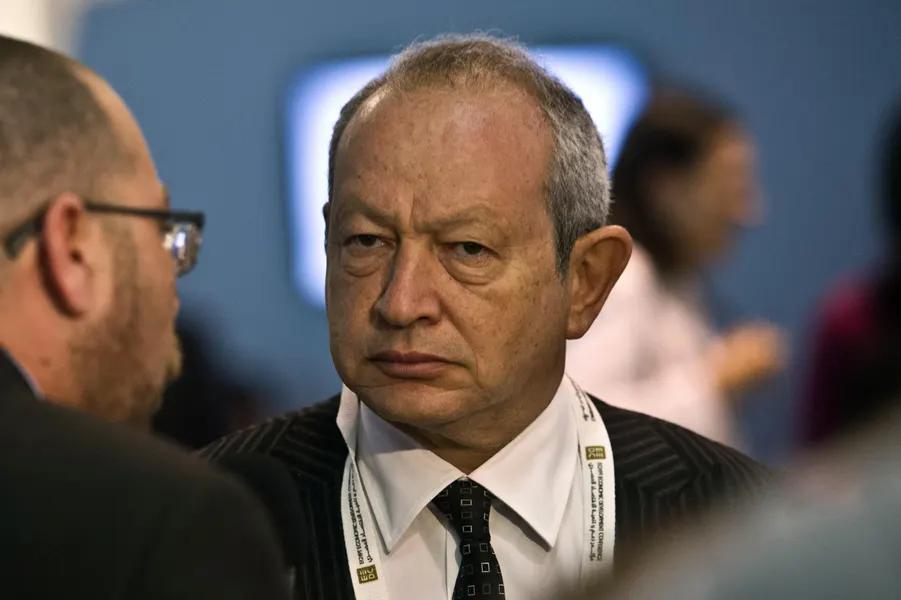

According to billionaire investor Naguib Sawiris, Egypt's vast mineral wealth is being squandered due to illicit mining operations, which are weakening investment and preventing the country from fully benefiting from its tremendous natural resources.
- Naguib Sawiris, Egypt's richest man, criticized the widespread illegal mining in Egypt, claiming it squanders the nation’s mineral wealth.
- He attributed the problem to random and unlawful prospecting activities, some allegedly involving foreign nationals.
- Sawiris warned that illegal mining undermines investment, security, and Egypt's reputation, depriving the government of revenue and deterring potential investors.
- He argued that if Egypt properly managed its mineral resources, it could become one of the largest gold-holding countries globally.
Sawiris, who, according to Bloomberg’s Billionaire Index, is Egypt's richest man and Africa’s sixth richest person, recently went to social media to vent his dissatisfaction with what he saw as the continuing wasting of Egypt's mining potential.
He said that unlawful prospecting operations, some purportedly involving foreign nationals, are abusing the country's resources outside of legal frameworks.
What Naguib Sawiris stated
“Unfortunately, many of Egypt's mining wealths are being continuously squandered due to random and illegal prospecting activities by those outside the law, and unfortunately, some of them are non-Egyptians,” he relayed via X.
His remarks highlight a problem that many resource-rich countries face: striking a balance between efficient regulation, security, and mineral development.
In addition to depriving governments of income, illicit mining may deter investors looking for secure and predictable business environments.
“Most mining companies in Egypt suffer from illegal practices that escalate to threats with weapons; and to this day, the state has not addressed the matter in the required manner, which affects the general reputation of investment in Egypt and wastes mineral wealths from gold to silver to rare minerals that the world is now competing over, depriving Egypt from being one of the largest countries in its gold reserves!”
The timing of Sawiris' comments is noteworthy, considering that global demand for key minerals is skyrocketing as nations scramble to secure a supply of gold, silver, rare earth elements, and other essential resources required for contemporary technology and energy transition initiatives.
Additionally, the market has been faced with some challenges, given the war in Iran, which has given rise to the blockade of one of the most important shipping routes in the world, the Strait of Hormuz.
Countries across Africa are rapidly preparing to capitalize on this demand through formal mining investments and value-added processing businesses.
According to Sawiris, Egypt risks losing this potential if illicit mining operations continue unabated.
The Egyptian billionaire feels the problem is harming the country's credibility with investors and hindering it from maximising the value of its mineral riches.
Sawiris even went so far as to say that if Egypt's riches were properly handled and safeguarded, it might be one of the top gold-holding countries in the world.
Back in March, reports indicated that Egypt's military had increased operations against illegal gold extraction near its southern border with Sudan, raising concerns that instability in the neighboring country is spreading across the border.
Egypt took significant action to protect its national security and sovereignty since the Sudanese Civil War began in April 2023.
In addition to addressing security concerns at the border with Libya, Cairo authorities noted that they had stepped up surveillance and soldier presence along the 1,276-kilometer border with Sudan.