Van Eck turns record South Africa bond selloff during Iran war into triple emerging-market returns
A major New York investment firm saw opportunity where others saw danger. Van Eck Associates Corp, which manages roughly $225 billion, held no South African government bonds when the Iran war began in early 2026. A strong rally in the previous year had left the bonds expensive and crowded with investors.
 Black News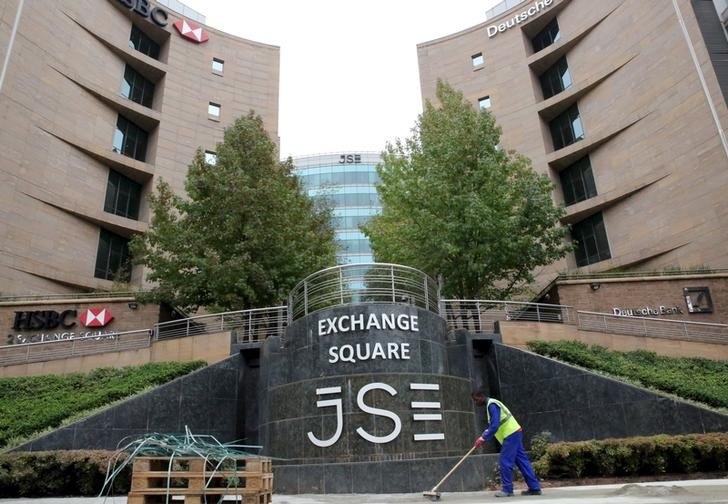
A major New York investment firm saw opportunity where others saw danger. Van Eck Associates Corp, which manages roughly $225 billion, held no South African government bonds when the Iran war began in early 2026. A strong rally in the previous year had left the bonds expensive and crowded with investors.
- New York-based Van Eck strategically rebuilt its South African bond position during a record $3.4 billion sell-off triggered by Middle East conflict fears.
- The firm bet that the inflation shock would be temporary and that South Africa’s economic recovery remained intact despite the geopolitical panic.
- This contrarian move paid off with a 6.3% dollar return, outperforming the emerging market average by nearly triple and beating major peers.
- The rapid recovery, marked by billions in net inflows by early April, proved that investors were simply waiting for an "all-clear" to return to high-yielding South African debt.
Yields on rand-denominated government debt then jumped more than 100 basis points as the conflict pushed oil prices higher. That sparked fresh inflation worries in energy-importing countries such as South Africa.
On March 16, as yields reached a five-month high, Van Eck started buying.
According to Bloomberg, deputy portfolio manager David Austerweil said: “We viewed this as an attractive opportunity to rebuild a long South African government bonds position.”
The firm calculated that war-related fears would pass quickly. It did not expect the conflict to derail South Africa’s economic recovery, and it believed local bonds would recover faster than most once investors regained confidence.
The bet worked.
Since March 16, South African government bonds have delivered a 6.3 percent return in dollar terms. That performance beats the 2.3 percent average for local-currency bonds in major emerging markets by a wide margin. Only Hungary, Brazil and Colombia posted stronger gains in the period.
Foreign investors had sold a net R56 billion ($3.4 billion) of the bonds in March, the largest monthly outflow since Bloomberg began tracking the data 30 years ago.
Sentiment shifted fast. Since early April, the market has recorded net inflows of R13.5 billion, according to Johannesburg Stock Exchange figures.
Austerweil noted it was “remarkable and shows everyone was really just waiting for the all-clear to repurchase South African government bonds.”
Van Eck targeted the long end of the yield curve, where it saw the best value. The firm bought bonds maturing in 2037, 2040 and 2044. All three have outperformed the broader market since the purchase.
This rebound follows a solid run for South African bonds. The 10-year yield had fallen more than 300 basis points from April 2025 tariff turbulence to a record low in February 2026. Foreign ownership of fixed-rate bonds rose to 32 percent by end-February, from 30 percent a year earlier, before the war reversed the rally.
With oil prices easing after the initial spike and South Africa’s fiscal outlook showing steady improvement, real yields remain appealing compared with many global fixed-income options.
Van Eck continued adding to its holdings and reached its target size on April 8. The firm still sees upside, especially relative to bonds elsewhere in the world.
The fundamental picture for South Africa keeps getting better, and that should keep supporting prices, Austerweil added.
In a world full of shocks, this swift turnaround after the March panic shows how quickly emerging-market assets like South African bonds can reward investors who stay focused on the longer-term story.