We expect more from Jay-Z. Why not BET?
Columnist Julienne Louis-Anderson argues that BET missed a critical opportunity to encourage Black civic engagement by excluding voting and political messages from the 2026 BET Awards despite the importance of the upcoming midterm elections. She contends that, like influential artists such as Jay-Z, Black media institutions have a responsibility to use their cultural platforms to promote democratic participation, not just entertainment. The post We expect more from Jay-Z. Why not BET? appeared first on AFRO American Newspapers.
 Black News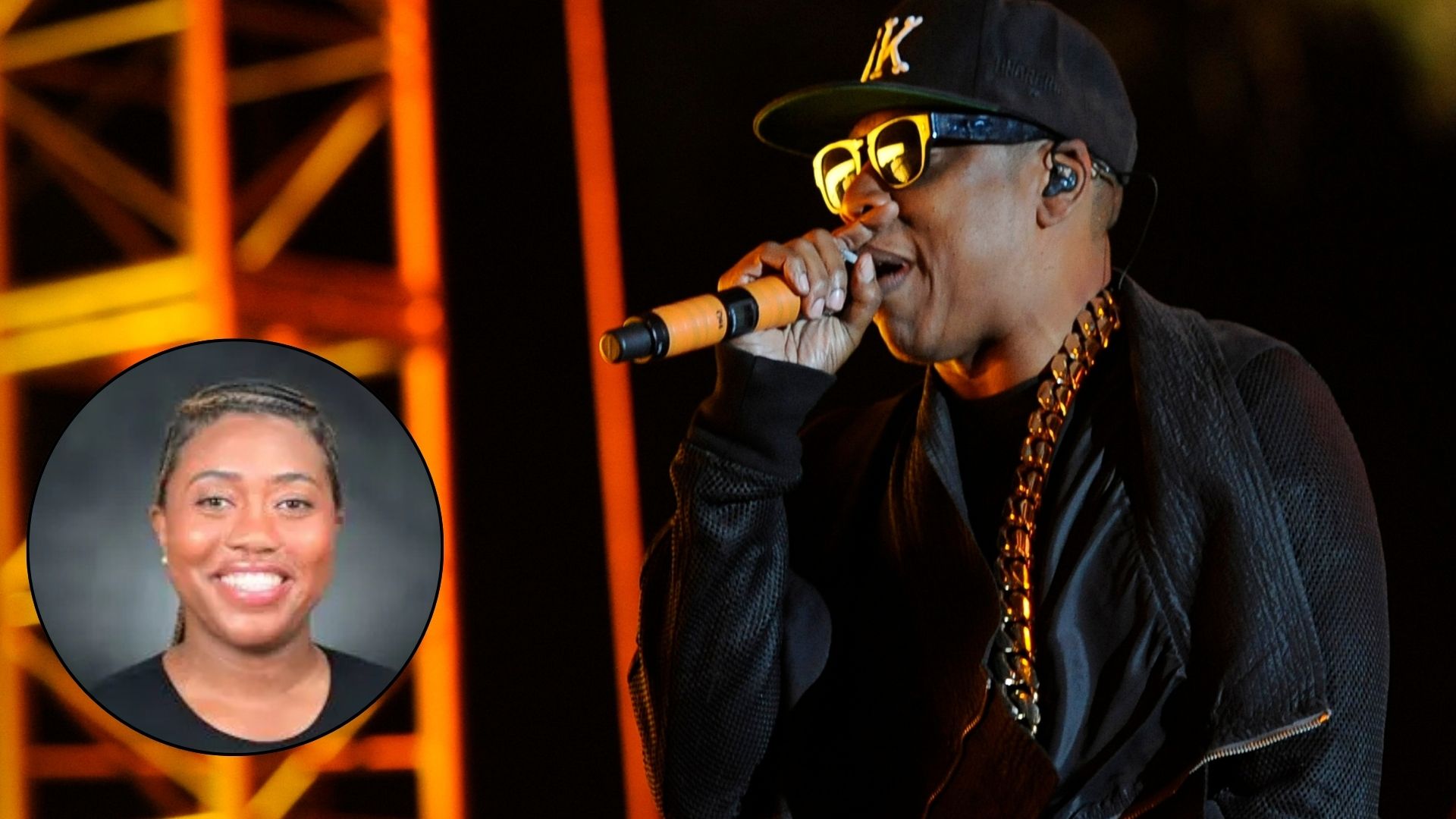

If celebrities have a responsibility to Black communities, one of Black America’s most influential media brands does, too.
By Julienne Louis-Anderson
Word In Black
Overview:
Entertainment has always intersected with civic life in Black America. This year’s BET Awards broke with that tradition.
For the past several days, social media has been consumed with criticism of Jay-Z. Across timelines and platforms, people have debated his comments, questioned his legacy, and argued over whether his partnership with Target insulted the very audience that helped build his career.

The outrage has been loud, persistent, and impossible to ignore. But honestly, I’m a little surprised people aren’t just as angry at BET, a.k.a. Black Entertainment Television.
The 2026 BET Awards, held on June 28, gave viewers almost everything they wanted. The performances landed, Lauryn Hill got a long-overdue tribute, and Janet Jackson honored Teyana Taylor with the Icon Award. After years of criticism, the show felt like a return to form.
But one thing was noticeably absent: any acknowledgment of the dire, dangerous and urgent political moment Black America is in. Not once during the three-and-a-half-hour broadcast did a host, presenter, performer, or award recipient encourage viewers to vote, check their registration, or prepare for this fall’s elections.
Gag Order at BET?
And political commentator Lynae Vanee said BET officials told her that politics would not be part of this year’s Awards. This represents more than a programming choice. It signals a shift in what one of Black America’s largest cultural platforms will or won’t do with its power.
The timing is alarming. This year’s midterm elections are pivotal, with control of Congress at stake and President Donald Trump openly hostile to the Black community’s interests. At the local level, voters will elect officials who make decisions that shape everyday life for millions of Black Americans: how schools are funded, what public health investments are made, and who gets access to the ballot box.
Contrary to its acronym, BET has been more than an entertainment network for Black people. It has used its cultural influence to educate Black audiences, elevate social issues, and encourage political participation. During the 2024 BET Awards, host Taraji P. Henson warned viewers about Project 2025. Last year, in her acceptance speech, Doechii mentioned the war in Gaza, Trump’s immigration raids, and the government’s threats to LGBTQ+ communities.
Whether audiences agreed with those messages or not, the BET stage has often been part of the long tradition of connecting Black culture to Black civic life. This year, that tradition disappeared. And that matters.
Since most people do not research every judicial race or legislative issue, they rely on trusted voices, including athletes and entertainers, to help determine what deserves their attention. A simple reminder from a beloved artist that an election is approaching can lower the psychological and cognitive barriers to participation and bring casual voters to the polls. Political scientists describe this phenomenon as heuristic shortcuts.
Which brings us back to the outrage surrounding Jay-Z, a self-made billionaire and arguably the most powerful artist in hip-hop history.
‘They Say I Sold Out’
In June, the rapper teamed up with Target for the 30th anniversary of his album, “The Blueprint.” Target sponsored his tour and took preorders for a special-edition print of the album on white vinyl — sold only in their stores. The partnership raised eyebrows: a year ago, Black activists called for a nationwide boycott of Target over its decision to end internal diversity, equity, and inclusion programs following Trump’s 2024 election.
Critics accused Jay-Z of teaming up with a retailer they believe turned its back on the Black community to appease Trump. But Jay-Z clapped back during his record-breaking run of shows in New York City last week.
“They say I sold out,” he told the crowd. “Yeah, I did sell out. Three nights. I sold Yankee Stadium the hell out.”
Many fans weren’t buying it. They flooded social media with accusations that Jay-Z had abandoned the community that made him a wealthy man.
Whether those criticisms are fair isn’t the point. The uproar itself is.
Black audiences clearly believe cultural icons wield influence beyond music. If that’s true, then BET, one of Black America’s most influential cultural institutions, should be held to the same standard.
Conversations around civic engagement rarely began with politicians; I witnessed this firsthand while working with high schoolers to increase their interest in the democratic process during the 2024 presidential election. I began with trusted celebrities, pointing out that Cardi B., Meg Thee Stallion, LeBron James, and Beyonce all supported former Vice President Kamala Harris in her run against Trump.
Politicians recruit celebrities because they understand that heuristic shortcuts influence voters of every age. Entertainment has never existed separately from politics in Black America. That’s what made the silence during this year’s BET Awards feel so significant.
Bought and Bossed?
It also raises a broader question about whether Black media itself has sold out.
Last year, Skydance Media completed its multibillion-dollar acquisition of Paramount, BET’s parent company. Billionaire David Ellison, whose family has longstanding ties to Trump, placed the winning bid.
Critics have correctly raised concerns that Ellison’s ownership narrows the range of political conversation in the public domain. This is sometimes through direct censorship but also through increased editorial restrictions and shifting corporate priorities. Senator Bernie Sanders outright stated that the buyout leads to censorship, which ultimately impedes freedom of speech.
Perhaps that helps explain why Vanee, the political commentator, said officials banned political talk from the BET Awards stage.
The Bible says, “To whom much is given, much is required.” That applies to BET: the network has tens of millions of viewers, takes in tens of millions of dollars in annual revenue, and has influenced Black culture for generations. Indeed, BET was built with the support of the Black community, but as an institution, it has always meant more than entertainment.
Excellence Isn’t Enough
Since it went on air in 1980, BET has evolved into a space where our communities find information, solidarity, and a sense of collective purpose. Black culture inspires us, but policy shapes the conditions under which we live. Entertainers and activists, from Paul Robeson to Harry Belafonte to Dick Gregory to Taraji B. Henson, have understood this. Until recently, so had BET.
The BET Awards have always celebrated Black excellence. But as November approaches, excellence alone isn’t enough. One of Black America’s most important stages had an opportunity to remind millions of viewers that local elections matter, that midterms matter, that democracy still requires our participation.
Instead, it apparently chose silence.
If that silence is the future of Black media, then what’s at stake isn’t just one awards show. It’s whether our greatest cultural institutions, like BET, and our most popular artists, like Jay-Z, will continue to serve Black communities—or simply entertain them.
This article was originally published by Word In Black.
_____
The opinions expressed in this commentary are those of the writer and not necessarily those of the AFRO.
The post We expect more from Jay-Z. Why not BET? appeared first on AFRO American Newspapers.