When Police Extortion Pushes Nigerians Away from the Law
On 21 June 2026, Malama Ummulkhairi, an Islamic teacher, was killed by a mob in Maraban Jos, Kaduna State, after an accusation of child theft that police said was not supported by evidence. The police account says officers rescued her, took her to the station for protection and investigation, and were later overpowered by a large crowd that forced her out. Her husband later gave a different account. He alleged, based on what a relative told him, that police officers brought her outside the station. The police denied this allegation and said the crowd forcibly seized her from custody. These […] The post When Police Extortion Pushes Nigerians Away from the Law appeared first on African Arguments.
 Black News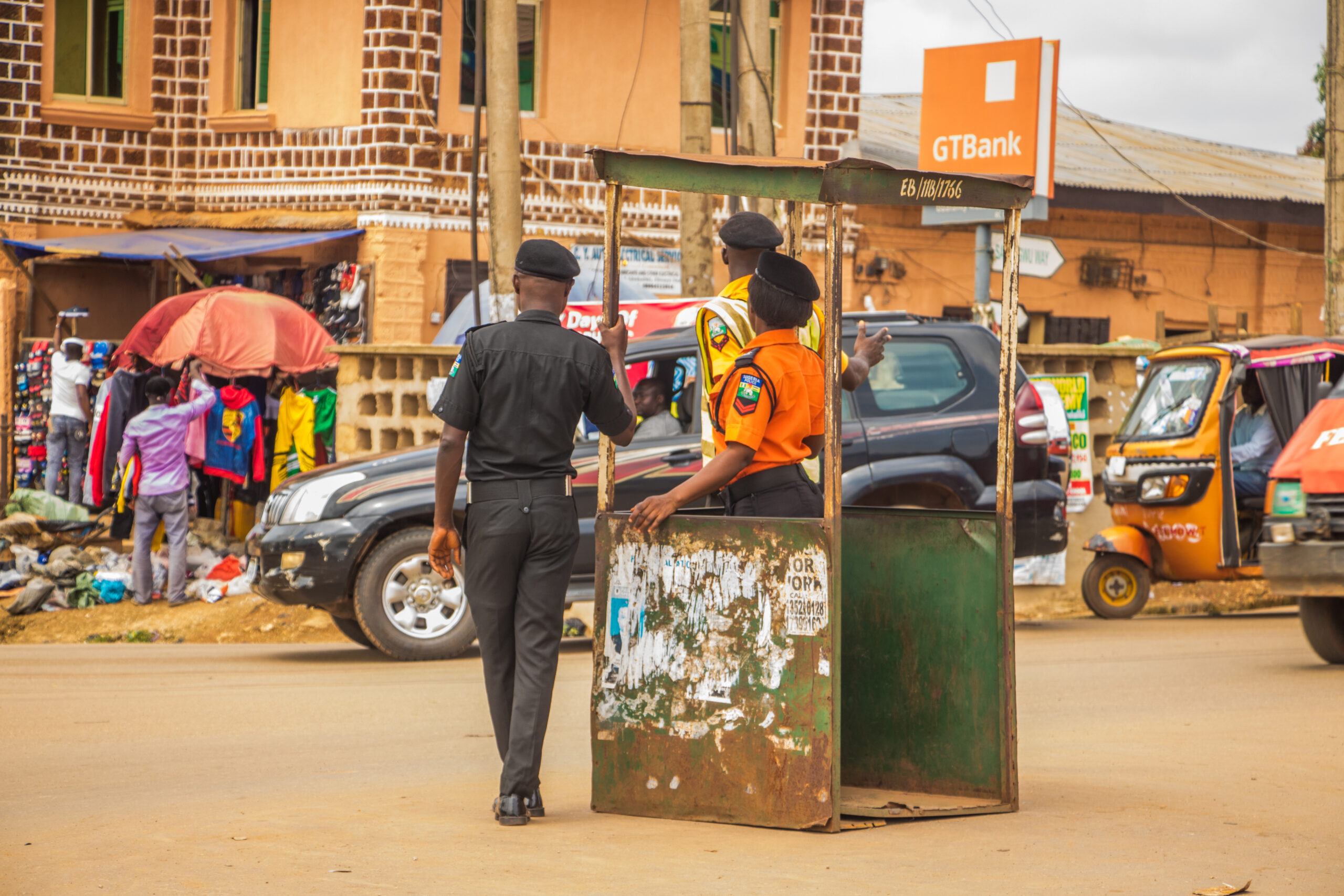
On 21 June 2026, Malama Ummulkhairi, an Islamic teacher, was killed by a mob in Maraban Jos, Kaduna State, after an accusation of child theft that police said was not supported by evidence. The police account says officers rescued her, took her to the station for protection and investigation, and were later overpowered by a large crowd that forced her out.
Her husband later gave a different account. He alleged, based on what a relative told him, that police officers brought her outside the station. The police denied this allegation and said the crowd forcibly seized her from custody. These claims are contested. They require an independent investigation, not a conclusion reached in public.
Dozens of people have since been arraigned or charged in connection with the killing, while police say the investigation is continuing. None of the defendants should be treated as guilty unless a court convicts them.
The case does not prove that police extortion caused the killing. It raises a different and urgent question: why does formal justice struggle to hold public authority when rumours spread and anger grows? Part of the answer lies in the daily relationship between citizens and the police.
Extortion turns protection into a transaction
Afrobarometer’s latest Nigeria survey shows how serious the trust problem has become. Seventy per cent of Nigerians said most or all police officers were involved in corruption. Among those who sought police assistance, 67% said they paid a bribe. Among those who met police at checkpoints, traffic stops, identity checks or investigations, 53% said they paid to avoid a problem. Only 10% believed corruption could be reported without fear of retaliation.
The same Round 10 survey shows that only about one in six Nigerians trusted the police somewhat or a lot. These figures do not mean every officer is corrupt. They show that many citizens approach the institution with low expectations.
Policing depends on information that citizens choose to provide. Residents report suspicious activity, identify suspects, preserve evidence, give statements and appear as witnesses. Extortion makes each step feel risky or costly. A victim begins to ask whether reporting a crime will create another bill. A witness worries about harassment or repeated demands. A driver who pays at a checkpoint learns that rules are open to bargaining.
Across Africa, Afrobarometer has found that perceptions of police corruption and poor professionalism go together with low public trust. Citizens often judge the institution through the conduct they meet on the road, at the station or during an investigation.
Distrust leaves the police with less information

A Nigerian police officer controlling traffic. Everyday encounters at checkpoints, traffic stops and police stations shape citizens’ trust in law enforcement.
Not every unreported crime is caused by extortion. Fear of retaliation, slow court processes, family pressure, distance from a station and doubt about the outcome also matter. Extortion adds a barrier that the state has the power to remove.
When citizens stop reporting, police work with incomplete information. Crimes remain hidden. Patterns are harder to identify. Investigations depend more on rumours and less on evidence. Communities then look elsewhere for protection, including relatives, traditional leaders, vigilante groups and neighbourhood guards.
Some of these actors provide useful support where formal policing is weak. The danger begins when informal protection becomes informal punishment. An accusation spreads on social media or through a crowd. People join without checking the facts. Suspicion becomes guilt before any investigation begins.
That is why the Maraban Jos case matters now. Ummulkhairi had already reached a police station. The conflicting accounts of how she left that station make a credible investigation necessary. The public needs to know whether officers followed their duty, whether the station had enough protection, and what failed when the crowd gathered.
Accountability must be visible
Nigeria already has a Police Complaint Response Unit. A recent study found that its use of digital channels has made complaints easier to submit, but also identified weak transparency around procedures, investigations and disciplinary outcomes. A complaint system will not build trust when citizens do not know what happens after they report.
The Police Service Commission has also announced plans for an AI-enabled digital complaints response and case-management system aimed at reducing extortion and corruption. This is useful, but the system should do more than receive complaints.
Every complainant should receive a tracking number and a clear route for follow-up. Reports of extortion should be accepted confidentially, without forcing the complainant to return to the same station. The police and the commission should publish regular state-level figures showing complaints received, cases investigated, money refunded, disciplinary action taken and matters still unresolved. Private details should remain protected.
Every station should also state clearly that reporting a crime is free. Officers should issue written receipts for any lawful payment. Supervisors should be held responsible where repeated complaints come from the same checkpoint, patrol team or station.
Police accountability is crime prevention
Police extortion is often described as a small payment at a checkpoint or station. The wider cost is not small. It reduces reporting, weakens intelligence and teaches citizens that public protection has a price. It also makes the work of responsible officers harder because they inherit distrust created by others.
The Maraban Jos killing should not be used to blame police extortion for every act of mob violence. It should push Nigeria to ask why accusation can move faster than investigation and why lawful institutions sometimes fail to hold the public’s confidence.
Rebuilding trust requires more than appeals against jungle justice. It requires police services that make reporting free, safe and respectful. It requires complaint systems that protect citizens and show results. When people believe the law will listen, investigate and act fairly, they have fewer reasons to withdraw from it.
The post When Police Extortion Pushes Nigerians Away from the Law appeared first on African Arguments.