Why Is No One Dressing Their Age?
Fashion has lost its ability to tell us anything about the person wearing it. Age, lifestyle, income, even personality, all the visual cues we used to rely on have been […] The post Why Is No One Dressing Their Age? appeared first on Essence.
 Black News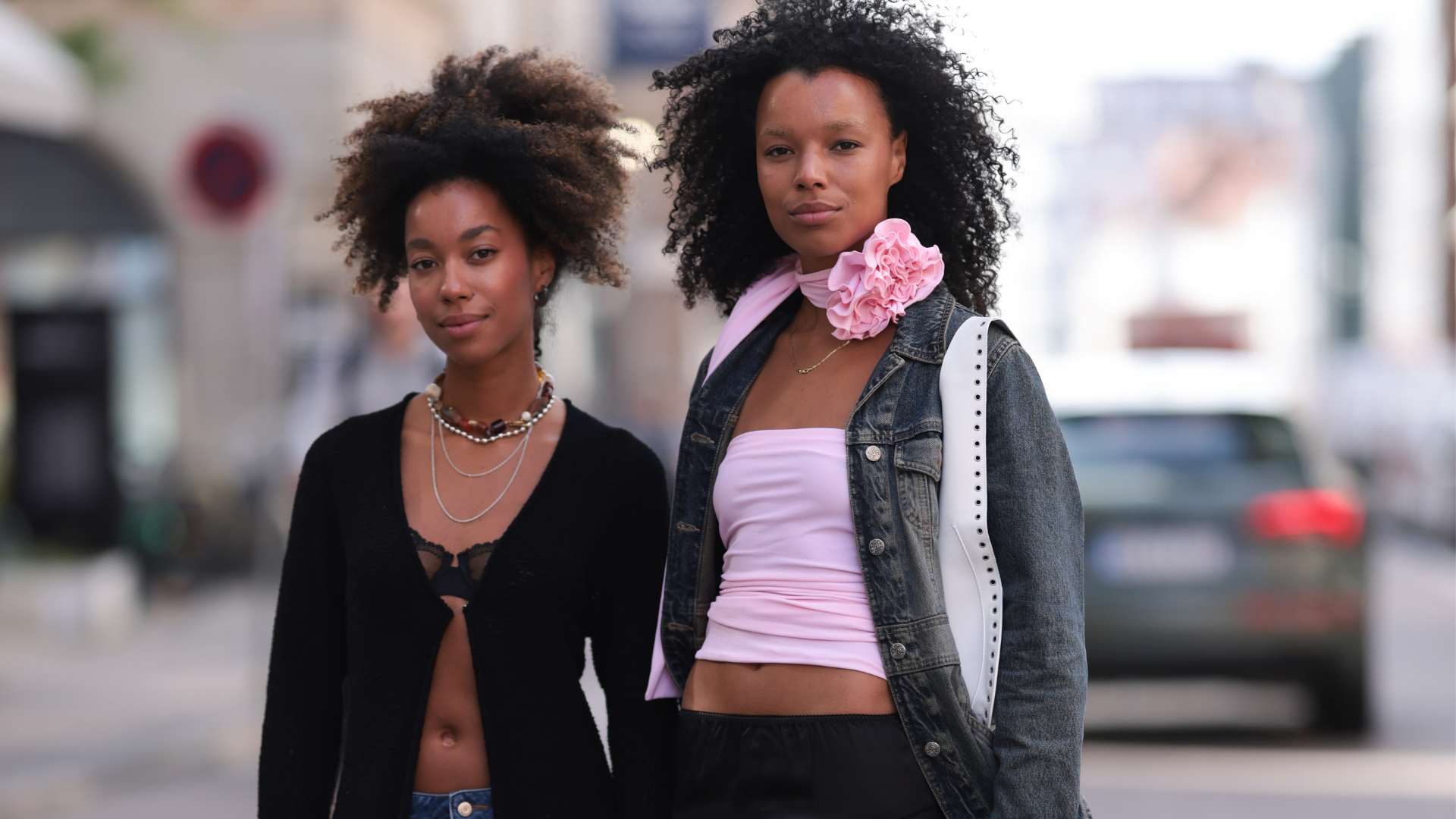
 Getty Images
  By Jailynn Taylor ·Updated August 4, 2025 < /> Getting your Trinity Audio player ready…
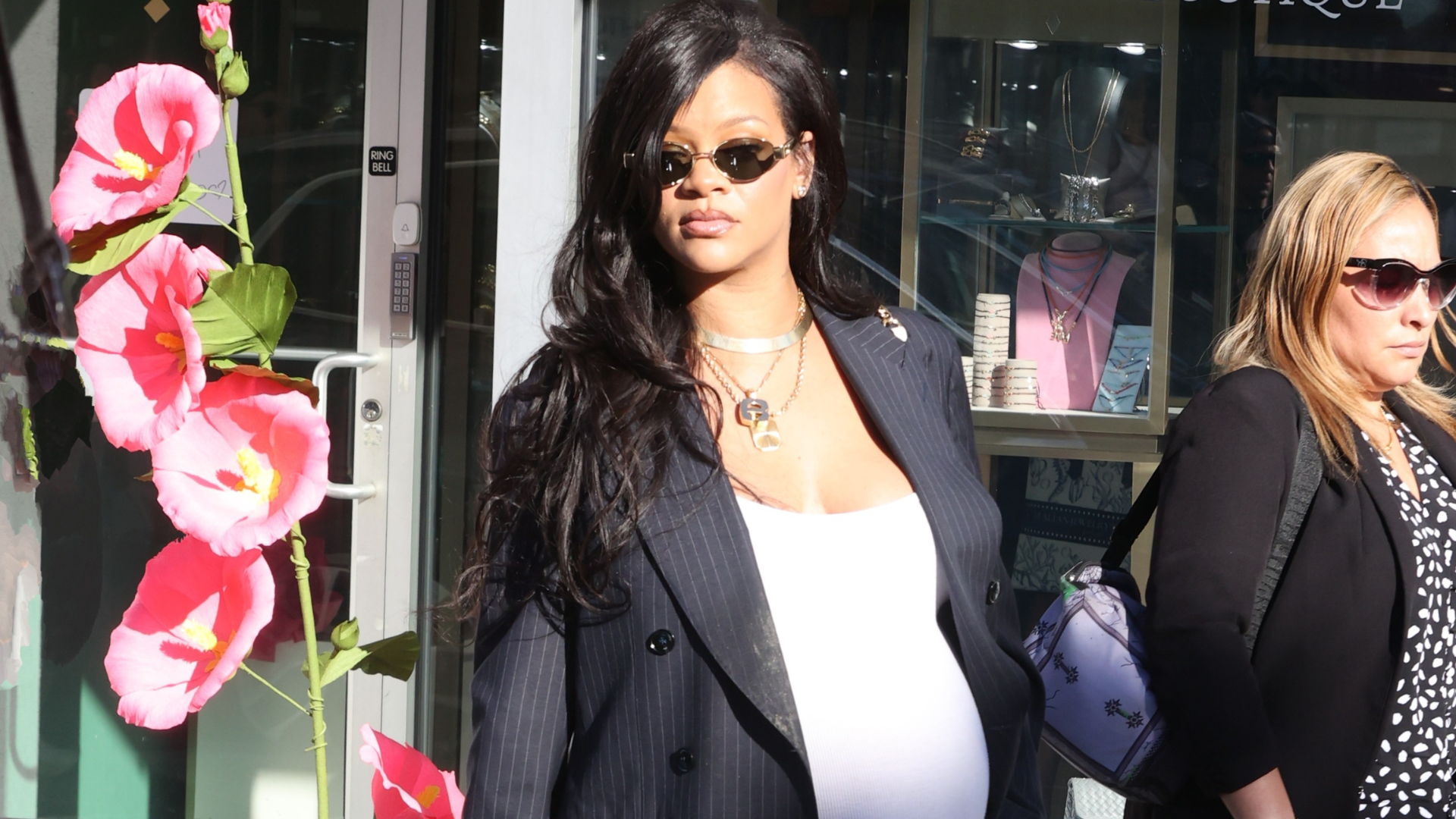
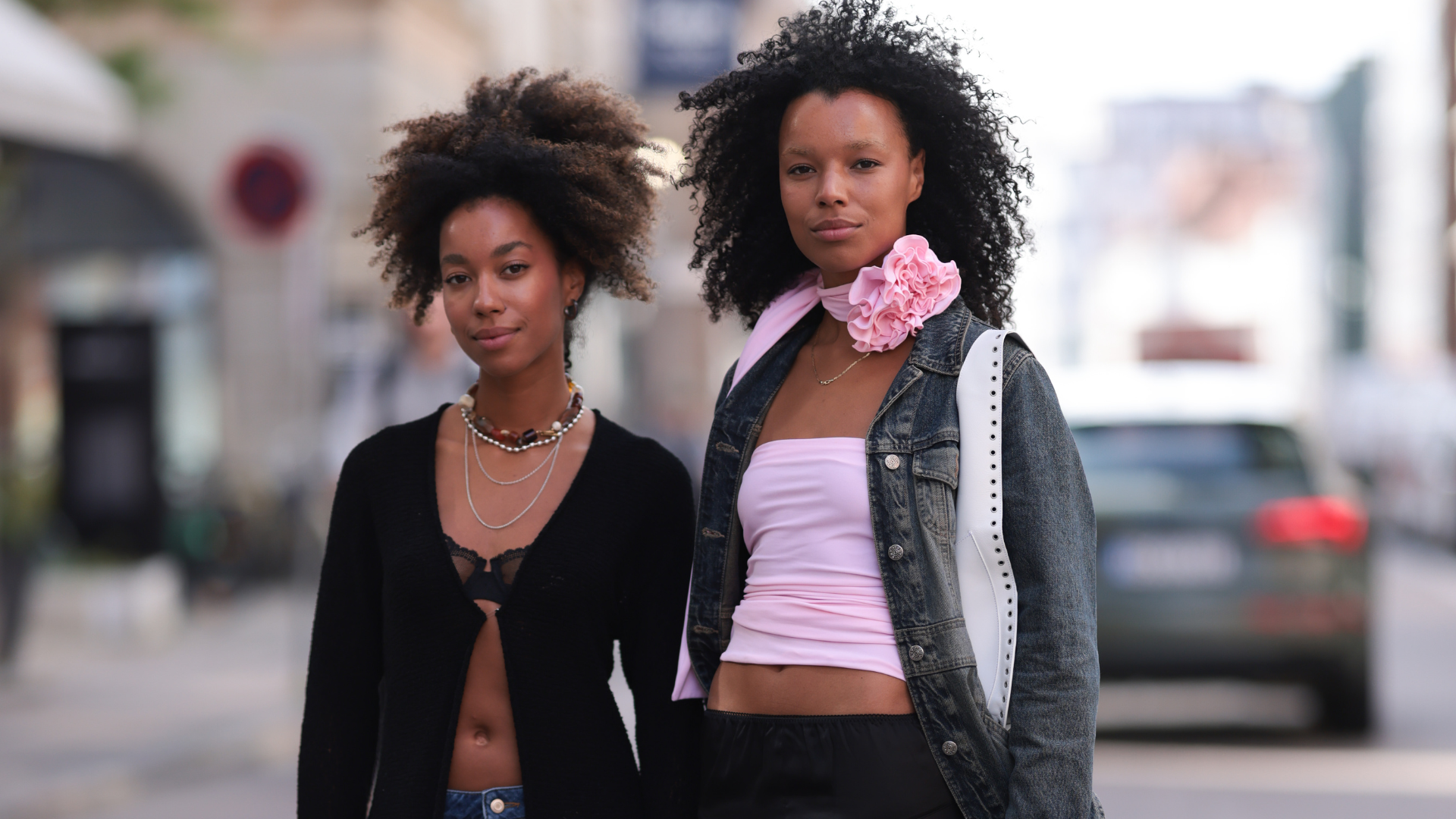
 Fashion has lost its ability to tell us anything about the person wearing it. Age, life>visual cues we used to rely on have been flattened. Just this past weekend, I saw women in their early 20s wearing sleeveless button-ups and pleated shorts with loafers, heavily leaning into the “quiet luxury” aesthetic. Women in their late 30s and early 40s were out on the same street in crop tops and ripped short shorts. In any other decade, you might assume they were having a midlife crisis. Now, it barely raises an eyebrow.
TikTok aesthetics have blurred the lines of age distinctions, life milestones are being skipped over entirely, and a retail landscape that funnels everyone, regardless of age, into the same handful of stores has finished the job. The traditional fashion timeline has completely inverted.
Statistically speaking, in the U.S., TikTok Shop sales have increased by 120% in comparison to last year. Additionally, according to new research pulled by GlobalData and TikTok Shop, 83% of all shoppers say they’ve discovered a new product on the platform, while 70% say they have discovered a new brand. Brands and creators hosted over 8 million hours of live shopping sessions in the U.S. in 2024. (These figures point to how purchasing products on TikTok is now the norm.)
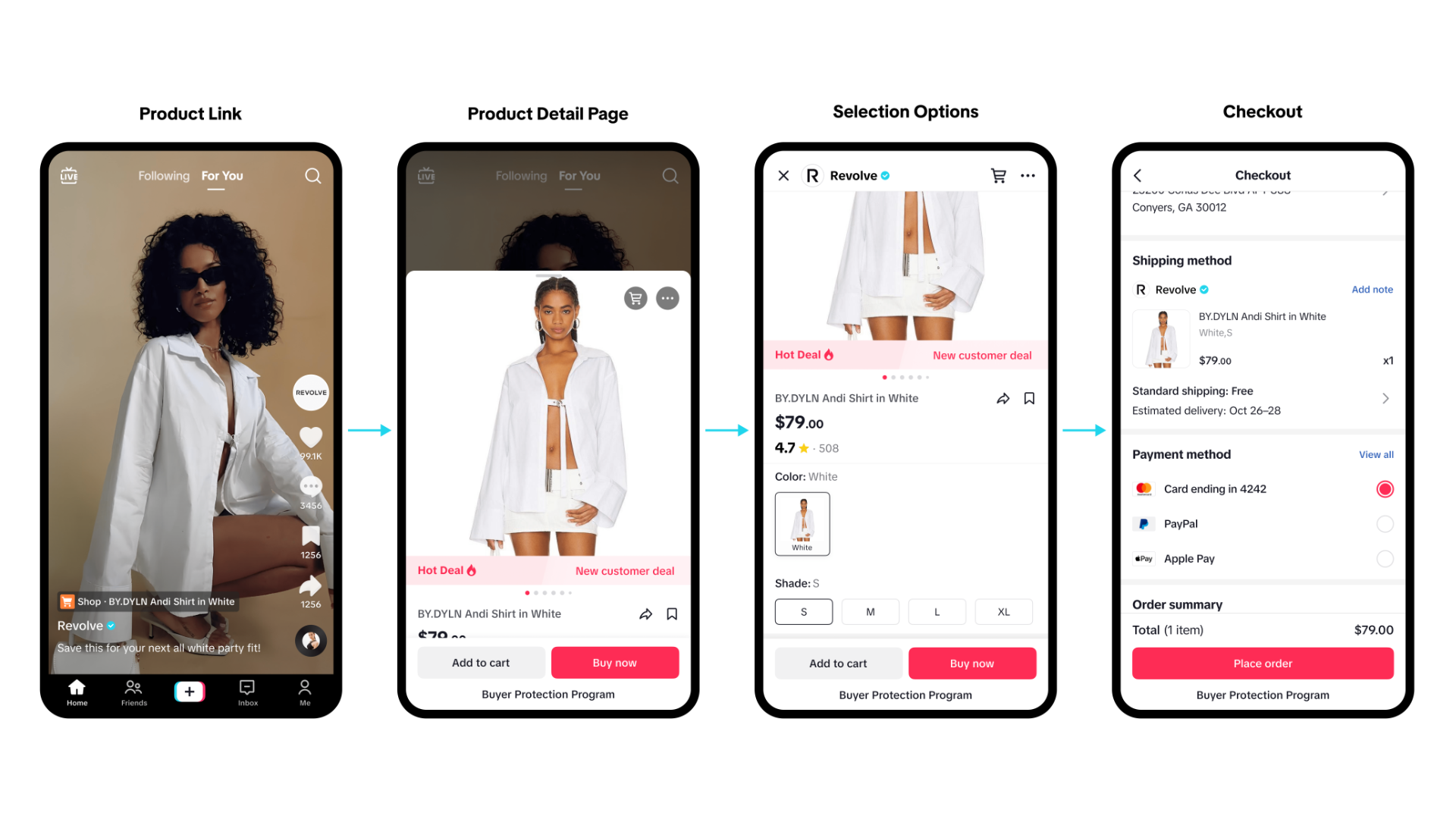 Photo Credit: TikTok
 Trends that used to belong to specific age groups are now fair game for anyone. People are shopping from brands they would have either aged out of or never reached yet. Without clear generational codes to guide us, personalsrc="https://www.essence.com/wp-content/uploads/2025/08/GettyImages-1973497573-scaled.jpg" alt="Why Is No One Dressing Their Age?" width="400" height="267" />Christian Vierig/Getty Images
Department stores had clear floor plans: juniors on three, contemporary on four, and the implied understanding that you graduated from one to the next. But the shift from mall shopping to online retail erased age-segmented store experiences. You used to go into a store and, based on the key demographic the boutique was marketing to, you knew if you were in the right place.
Walk into Abercrombie or Hollister and you’d immediately know from the pounding music and teenage staff whether you belonged there. Venture into Ann Taylor, and the quiet sophistication told a different story entirely. These physical spaces enforced age boundaries through environment, pricing, and social cues that made crossing generational lines feel awkward or inappropriate.
The elimination of tween retail dealt the final blow to age-appropriate shopping. Stores like Justice and Delia’s once served as crucial stepping stones. Places where 10-to-14-year-olds could shop for clothes that bridge the gap before full teen-dom. These stores taught young girls how to navigate fashion retail and gave them a safe space to experiment withdecoding="async" src="https://www.essence.com/wp-content/uploads/2025/08/delias.jpg" alt="Why Is No One Dressing Their Age?" width="400" height="227" />Photo Credit: Delia’s
It’s not just media and retail that collapsed age boundaries. Milestones that once shaped how we dressed have lost their grip, too. Going away for college, getting married, having kids, buying a house, and settling into a career no longer happen on a predictable timeline, if at all. Style used to reflect life stage. You dressed for the job you had, the family you raised, or the image of stability you wanted to project. But today, many in their thirties and forties are living like their twenty-something counterparts, without the traditional markers that once signaled a fashion shift into “adulthood.”
When your lifedecoding="async" src="https://www.essence.com/wp-content/uploads/2025/08/488792563_18048184571459883_8006647128482008696_n.jpg" alt="Why Is No One Dressing Their Age?" width="400" height="500" />Photo Credit: Instagram/Diana May
The algorithm doesn’t care how old you are. It feeds everyone the same viral content, the same outfit videos, the same aesthetic breakdowns. If a 19-year-old and a 39-year-old are both watching the same “get ready with me” clip, chances are they’ll both end up in the same outfit. Style is no longer about growing into yourself; it’s about keeping up. Instead of evolving with age, people are curating looks that fit neatly into the trend of the moment.
To be fair, there’s real freedom in all of this. Women aren’t being told to drop their hemlines or give up crop tops after kids. You can wear low-rise jeans at 45 or a trench coat at 15. The collapse of rigiddecoding="async" src="https://www.essence.com/wp-content/uploads/2025/08/495628606_18507724036006923_3992591546397836619_n.jpg" alt="Why Is No One Dressing Their Age?" width="400" height="500" />Photo Credit: Instagram/Michelle Li
The old guidelines also offered relief from decision fatigue. When you knew what was “for you,” shopping became simpler. You had guardrails that helped you invest in pieces that would work for your life rel="tag">fashion trends
The post Why Is No One Dressing Their Age? appeared first on Essence.