World Bank and GPE-backed $552 million education program launches to train 500,000 teachers and educate 29 million Nigerian children
Nigeria launched a $552 million basic education programme on July 16, 2026, which is co-financed by the World Bank and the Global Partnership for Education to improve learning outcomes and strengthen the national education system.
 Black News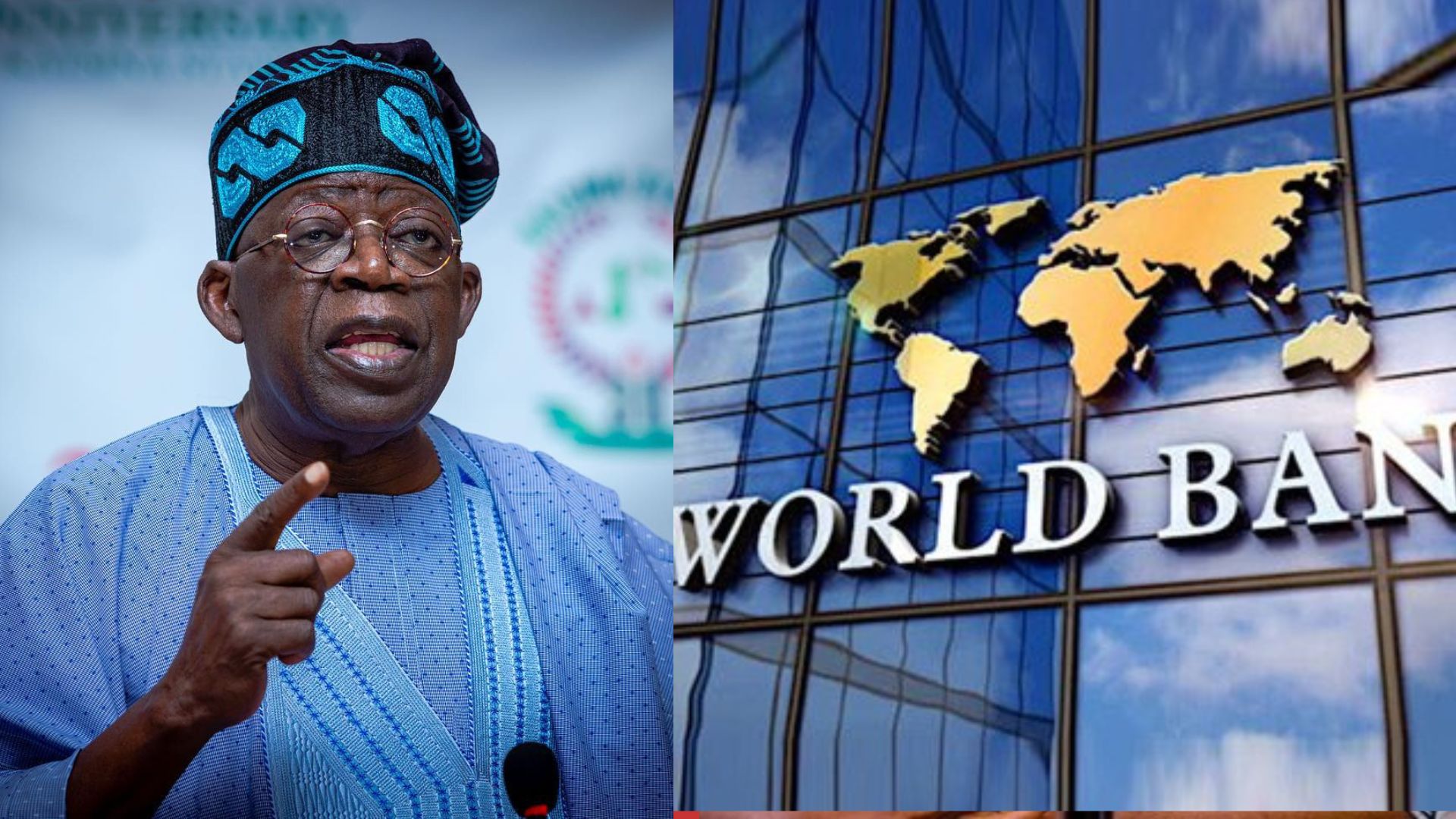

Nigeria launched a $552 million basic education programme on July 16, 2026, which is co-financed by the World Bank and the Global Partnership for Education to improve learning outcomes and strengthen the national education system.
- The initiative targets access to schooling, aiming to benefit 29 million children and over 500,000 teachers across the nation.
- The programme is co-financed by the World Bank and Global Partnership for Education.
- Nigeria has launched a $552 million education programme, HOPE-EDU.
- HOPE-EDU covers 65,000 public schools and 10,000 non-formal learning centers to foster community growth and reduce poverty.
The initiative, known as HOPE-EDU, aims to widen access to schooling and serves as a primary component of the government's strategy to bolster human capital.
The programme is designed to provide direct benefits to approximately 29 million children and more than 500,000 teachers across the country.
DON’T MISS THIS: Top 10 African countries with the highest quality education
It covers 65,000 public schools and 10,000 non-formal learning centres nationwide as part of a broader effort to facilitate community growth and poverty reduction.

Integration with national poverty alleviation strategy
The education drive is one of five coordinated initiatives currently in place to speed up human capital development and strengthen healthcare services.
The president of Nigeria, Bola Tinubu, in a report published by Reuters, stated that these “programmes are not separate efforts; they are one coordinated national strategy for poverty reduction, human capital development and community resilience.”
The administration has pursued significant economic reforms since 2023, including the removal of fuel and electricity subsidies and the devaluation of the naira to strengthen public finances.
These structural changes are intended to provide the necessary support for long-term investments in the education and social sectors.
DON’T MISS THIS: Burkina Faso moves to block unauthorized study abroad, requiring government approval for overseas education
Economic reforms
Tinubu noted that the HOPE-EDU initiative and related programmes will help translate recent economic reforms into tangible gains for livelihoods and social protection.
The president aims to ensure that the overhaul of the tax system and other fiscal measures lead to improved educational and healthcare outcomes for all citizens.