15 Most Unique Beaches In Africa
Africa’s coastline stretches an impressive 18,950 miles, showcasing a wide variety of stunning beaches. From Mozambique’s white sands and turquoise waters to South Africa’s rugged cliffs and hidden coves, the continent’s beaches are unparalleled. This article will guide you through 15 exceptional beaches in Africa, highlighting the natural wonders and hidden gems that make it [...]
 Black News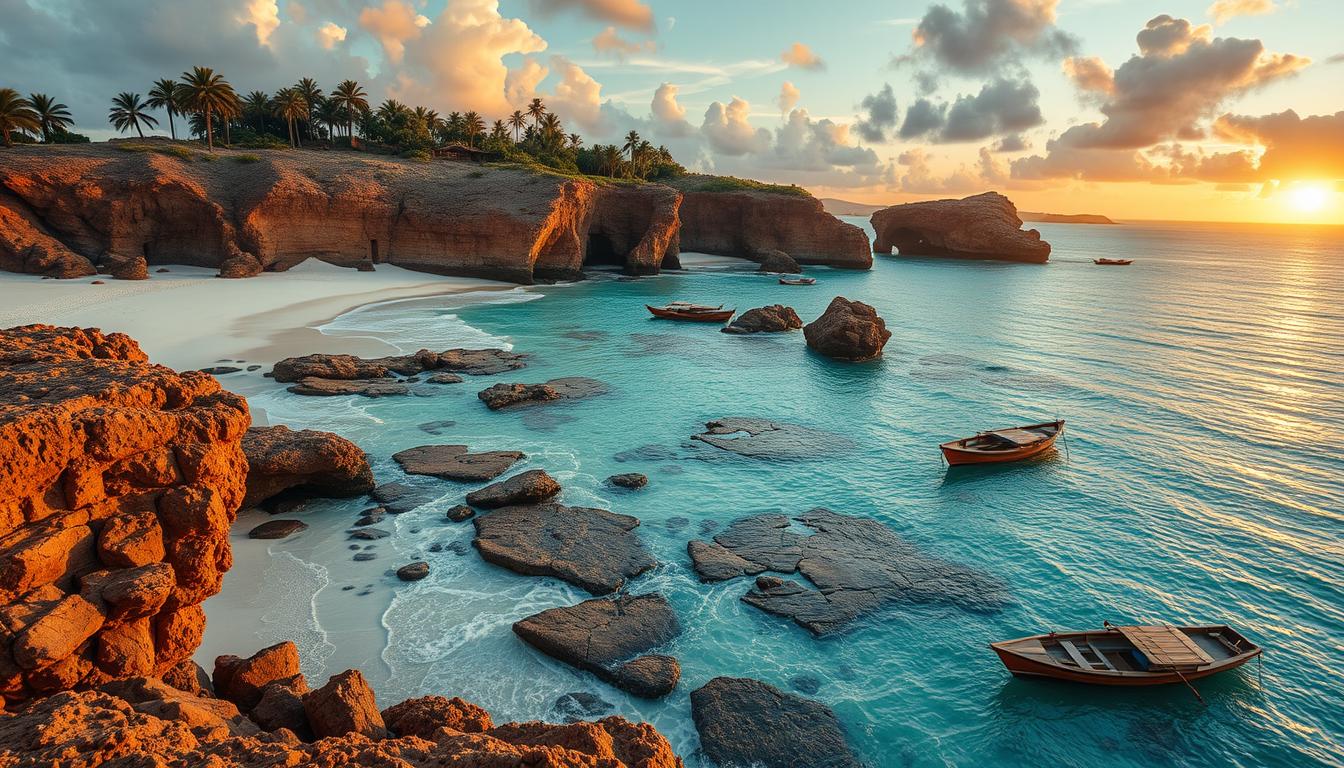
Africa’s coastline stretches an impressive 18,950 miles, showcasing a wide variety of stunning beaches. From Mozambique’s white sands and turquoise waters to South Africa’s rugged cliffs and hidden coves, the continent’s beaches are unparalleled. This article will guide you through 15 exceptional beaches in Africa, highlighting the natural wonders and hidden gems that make it a top beach destination.
Mafia Island, Tanzania: A Serene Atoll with Uncrowded Beaches
Located about 100 miles south of Zanzibar, Mafia Island is a hidden treasure in Tanzania. It offers a peaceful retreat from the hustle and bustle, with uncrowded beaches ideal for island vacations.
The beaches, like Butiama Beach near Kilindoni and the southern shores of Chole Bay, feature soft sandy expanses. Tidal flats create long shore changes, sometimes requiring a short walk to the water. The effort is worth it, as the island’s marine preserve is home to diverse sea life. This makes it perfect for diving.
The island is famous for its whale shark sightings, which occur with a simple snorkel during the Kaskazi season. These gentle giants highlight the island’s rich marine life and the need for conservation.
| Statistic | Value |
|---|---|
| Mafia Archipelago Islands | 6 |
| Mafia Island Size | Largest in the archipelago |
| Zanzibar Dive Destination Ranking | Top place for diving in 2024 |
| Pemba Island Underwater Activities | Scuba diving and snorkeling |
| Mafia Island Dive Spots | Among the best globally |
With fewer hotel beds than Zanzibar, Mafia Island offers a peaceful, uncrowded escape. Its pristine beaches and rich marine life attract nature enthusiasts and adventure seekers.
Loango National Park, Gabon: Where Hippos Surf the Beach
Located on Africa’s western coast, Loango National Park in Gabon is a treasure trove for nature lovers. Spanning 1,550 square kilometers, it boasts an incredible variety of wildlife. Forest elephants, buffaloes, and the rare sight of hippos surfing waves are just a few highlights.
The park’s beaches stand out due to their unique blend of ecosystems. Forests, grasslands, and estuaries merge, offering a distinct experience. Here, hippos can be seen riding the waves, a sight almost unheard of globally.
Loango’s wildlife is not limited to hippos. It’s also famous for its bird species, including the white-crested tiger heron and the chocolate-backed kingfisher. Whales and dolphins occasionally visit, adding to the marine life diversity.
For those seeking adventure, Loango National Park is a paradise. Its 100+ kilometers of untouched coastline offer a peaceful retreat. It’s a place where visitors can truly connect with Africa’s untamed wilderness.
“Loango National Park is a true testament to the incredible diversity and beauty of Gabon’s natural landscapes. Witnessing the surfing hippos is a once-in-a-lifetime experience that will leave a lasting impression on any visitor.”
ALSO READ: 15 Of The Best Safari Experiences In Africa
Cabo Ledo, Angola: An Emerging Surfers’ Paradise
Angola, once inaccessible due to civil war, is now opening up to the world. Its 1,500 kilometers of varied coastal habitats are ready to be explored. Cabo Ledo, near a traditional fishing village, is a top spot for surfers. It’s just two hours from Luanda, the capital, and boasts sandy shores and rolling waves.
Experts say the best surfing is from May to October. During this time, the waves are consistently great. The high season, from June to October, offers ideal conditions for surfing in boardshorts. However, a spring suit is recommended due to the cooler water.
Cabo Ledo is suited for intermediate to advanced surfers. It offers diverse swells and beaches. Other notable spots include Barra Kwanza, Point Mussulo, Ambriz Beach, Buraco, and Miradouro. But, surfers should watch out for sharks, crocodiles, and flash flooding during the rainy season.
For those looking for a new travel destination, Cabo Ledo in Angola is an exciting choice. It showcases the country’s stunning coastal habitats and growing surf culture. With various beachfront resorts and amenities, Cabo Ledo is set to become a top spot for surfers and beach lovers.
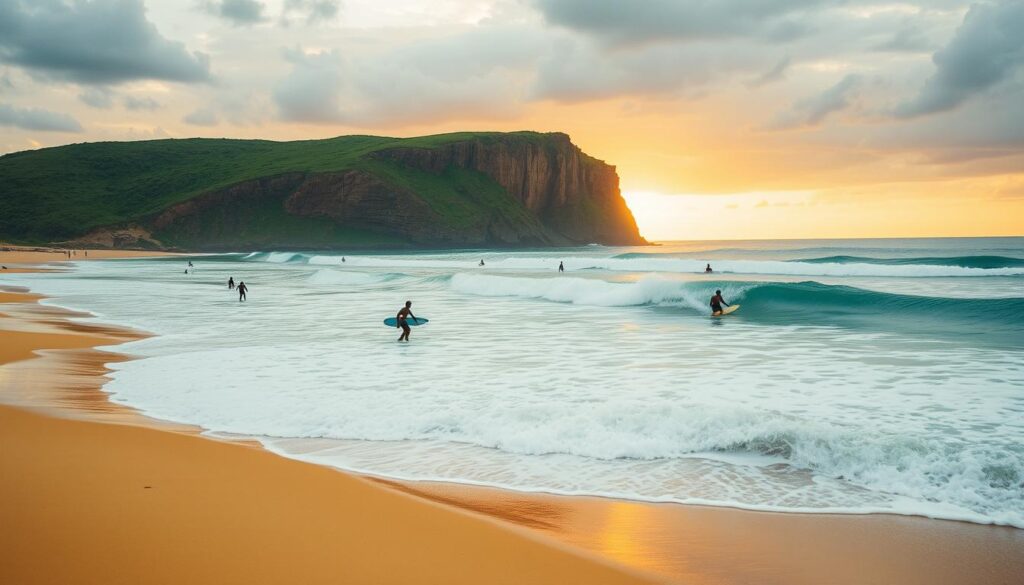
“Angola has 1,500 kilometers of very exposed coastline, providing ample opportunities for surfing with diverse swells and beaches.”
iSimangaliso Wetland Park, South Africa: A UNESCO World Heritage Site
The iSimangaliso Wetland Park, located on South Africa’s northeast coast, is a true treasure. It covers an expansive 239,566 hectares, featuring 220 km of untouched coastline along the Indian Ocean. This UNESCO World Heritage Site is home to over 6,500 plant and animal species, including 521 bird species. It boasts 11 species found only in the park and 108 endemic to South Africa, making it a biodiversity hotspot.
The park’s varied ecosystems, from coral reefs to wetlands, forests, and grasslands, attract outdoor enthusiasts. The southern beaches at Cape Vidal and Sodwana Bay are the most accessible. Sodwana Bay is renowned for scuba diving, thanks to its proximity to the southernmost coral reefs. Further north, areas like Black Rock, Bhanga Nek, Mabibi, and Kosi Bay offer secluded spots for snorkeling and relaxation.
During the South African summer, from October to March, visitors can witness the incredible sight of turtles nesting on the beaches. This is a testament to the park’s ecological importance. With a history dating back to 1895 and its designation as a Ramsar Wetland of International Importance in 1986, iSimangaliso Wetland Park is a must-see for nature enthusiasts and adventure seekers.
“iSimangaliso means ‘miracle and wonder’ in isiZulu, and it’s a title this place more than lives up to.”
Beaches in Africa: Bazaruto Archipelago, Mozambique
The Bazaruto Archipelago, located off the coast of Vilanculos in Mozambique, is a paradise for beach lovers. This enchanting group of five islands – Bazaruto, Benguerra, Magaruque, Santa Carolina, and tiny Banque – boasts an aquamarine seascape filled with diverse marine life.
With over 2,000 fish species, the Bazaruto Marine National Park is a sanctuary for whales, dolphins, and the rare dugong. Guests can enjoy a variety of water activities, including deep-sea fishing, snorkeling, scuba diving, and dhow boating. All these activities take place amidst the area’s stunning natural beauty.
The ideal time to visit the Bazaruto Archipelago is during the dry season, from May to November. During this period, the weather is cooler, and the marine life is at its peak. Luxury beach resorts like Benguerra Lodge and Azura offer the perfect setting to explore this serene and captivating destination.
| Key Facts about Bazaruto Archipelago | Details |
|---|---|
| Number of Islands | 5 |
| Marine Life | Over 2,000 fish species, whales, dolphins, dugongs |
| Best Time to Visit | Dry season from May to November |
| Water Activities | Deep-sea fishing, snorkeling, scuba diving, dhow boating |
| Luxury Resorts | Benguerra Lodge, Azura |
The Bazaruto Archipelago is often called the “Galapagos of the Indian Ocean” due to its rich and well-preserved marine ecosystem. The innovative use of 3D printing technology in building materials adds to the region’s luxury beach experience. This approach is both environmentally friendly and visually stunning.
ALSO READ: 8 African Heritage Sites You Must Visit Before You Die
Cape Maclear, Lake Malawi: An Affordable Lakeside Retreat
Cape Maclear, situated on the shores of Lake Malawi, presents a tranquil and budget-friendly lakeside retreat. It’s a vibrant spot where guests can walk from their lodgings to the freshwater beaches or to lively bars nearby. The lake itself offers a variety of activities, including kayaking, swimming, and snorkeling. Snorkeling here is particularly special, as it allows you to see the lake’s diverse cichlid fish population up close.
This area is part of the Lake Malawi National Park, the world’s first freshwater nature reserve and a UNESCO World Heritage Site. This designation makes Cape Maclear a unique beach destination, surrounded by the lake’s natural beauty and protected wildlife. With its clear waters and relaxed vibe, Cape Maclear is perfect for those looking to enjoy the beauty of Lake Malawi without breaking the bank.
“Cape Maclear offers a serene and affordable lakeside retreat on the shores of the magnificent Lake Malawi, with ample opportunities for kayaking, snorkeling, and simply soaking in the natural splendor of this freshwater paradise.”
The lake stretches 600 kilometers along Malawi’s eastern border, offering plenty of space for exploration. Visitors can reach nearby islands, like Mumbo Island, in just 30 minutes by boat or 2 hours by canoe. Likoma Island, with its stone-and-thatch chalets, is another must-see destination, accessible by boat.
Whether you’re after a peaceful beach escape or an action-packed lake vacation, Cape Maclear on Lake Malawi is unmatched in its affordability. Dive into the tranquility of this freshwater haven and make memories that will last a lifetime in this hidden African gem.
Grand-Popo, Benin: A Cultural Celebration on the Beach
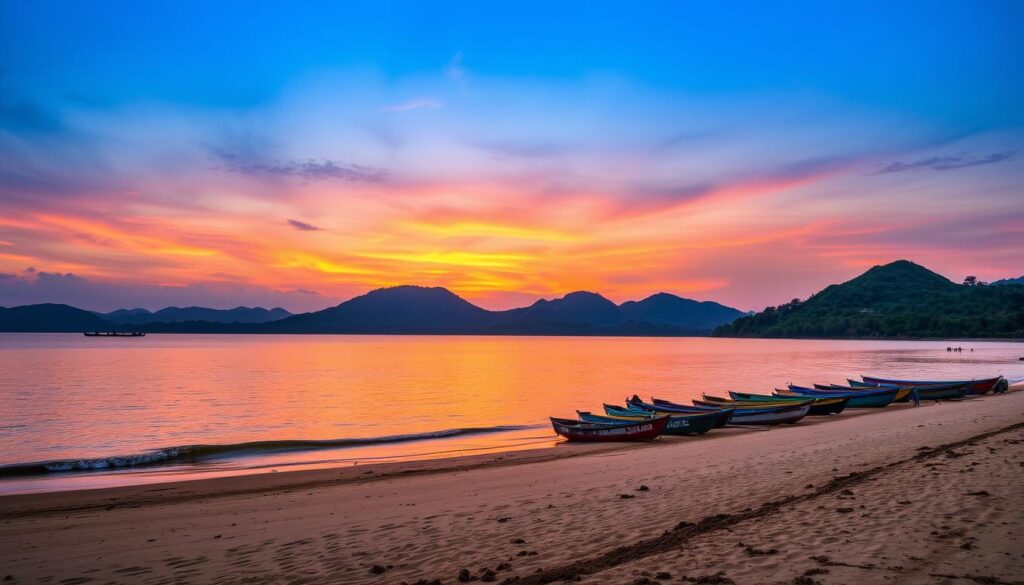
The sandy beaches of Grand-Popo in Benin, though not ideal for swimming, are a treasure trove of West African culture. Benin is where Vodun, or Voodoo, originated. The Fête du Vaudou festival, held on January 10th in nearby Ouidah, attracts global visitors.
Grand-Popo’s beaches are adorned with straw huts and wooden loungers, ideal for relaxation. The 5,700-meter stretch of Grand-Popo Beach offers ample space for enjoying the scenery. Temperatures here range from 76.8°F (25°C) to 84.7°F (29°C), making it perfect for unwinding.
While swimming is not advised due to the absence of lifeguards, there’s still much to do. Activities include beach volleyball, soccer, and leisurely walks. The town of Grand-Popo is famous for its Voodoo traditions. The annual Voodoo Festival in January is a highlight for cultural enthusiasts.
| Feature | Description |
|---|---|
| Beach Length | 5,700 meters |
| Temperature Range | 76.8°F (25°C) to 84.7°F (29°C) |
| Beach Activities | Swimming, sunbathing, beach volleyball, beach soccer, leisurely walks |
| Nearby Attractions | Slave Route, Mono River for boat trips and fishing, Ganvie stilt village |
| Cultural Events | Annual Voodoo Festival in January |
Grand-Popo Beach also boasts a variety of accommodations, from budget-friendly to upscale. It’s a place where you can delve into Voodoo traditions or simply enjoy a serene beach retreat. Grand-Popo in Benin offers a genuine cultural experience unlike any other.
“The beaches of Grand-Popo are not just about sand and sun, but a celebration of the rich cultural heritage of Benin.”
ALSO READ: These 20 Stunning Airbnb Homes Will Change The Way You Experience Nigeria
Margarida Beach, Príncipe Island: Africa’s Galapagos
Príncipe Island, a hidden treasure in the Atlantic, is known as the “Chocolate Islands” for its rich, tropical environment. Situated 130 miles off West Africa, it mirrors the Galapagos in biodiversity and isolation. This island nation is a unique gem.
Margarida Beach, a pristine stretch of golden sand, is only reachable by boat or on foot. The emerald-green waves caress the shore, and visitors can see kingfishers singing from the trees. The waters are crystal clear, inviting exploration.
This beach is a secluded paradise, ideal for nature enthusiasts, birdwatchers, and those who seek sea turtles. Príncipe’s untouched ecosystems support a wide variety of flora and fauna. It’s a true haven for wildlife.
Príncipe Island is a hotspot for ecotourism, offering hiking, kayaking, and exploration of its lush interior. Visitors can marvel at the island’s bird species, including the Príncipe Thrush and Speirops. Sea turtles also call this place home.
Margarida Beach on Príncipe Island is a unique African beach experience. Its untouched beauty and rich wildlife make it an unforgettable destination. It’s perfect for those seeking a rare and extraordinary getaway.
Bijagós Archipelago, Guinea-Bissau: A Remote Island Escape
The Bijagós Archipelago, located off Guinea-Bissau’s coast, is a true island paradise. It’s a UNESCO Biosphere Reserve, home to 88 islands, with only 20 inhabited year-round. Bubaque, the largest island, is the main entry point to this untouched region.
Visitors to the Bijagós Archipelago will find an off-the-grid experience. Rustic beach camps line the coast, providing a simple yet charming retreat. Fresh seafood, caught right before serving, is a highlight. Life moves at a leisurely pace, with ferry rides taking their time.
The archipelago’s remote and untamed nature offers a unique escape. Guests can explore dense mangrove forests, spot rare wildlife like saltwater hippos and crocodiles, and enjoy pristine, deserted beaches. This UNESCO-protected paradise is a hidden gem for those seeking a distinct African adventure.
| Statistic | Value |
|---|---|
| Number of islands in the Bijagós Archipelago | 88 |
| Number of inhabited islands | 23 |
| Total area of the archipelago | 5,000 square miles |
| Year the archipelago became a UNESCO Biosphere Reserve | 1996 |
| Estimated population of the islands | 30,000 |
“The Bijagós Archipelago offers a true island escape experience, with its remote, untamed nature and simple, rustic beach camps. It’s a destination for those seeking a unique African adventure.”
Elmina Beach, Ghana: A Profound Historical Site
Elmina Beach, located along Ghana’s picturesque coastline, holds a deep historical significance. It transcends its natural beauty, serving as a poignant reminder of human resilience. This beach witnessed the horrors of the transatlantic slave trade, now symbolizing the strength of the human spirit.
The Portuguese founded Elmina Castle in 1482, making it the oldest European structure in sub-Saharan Africa. Visitors to this UNESCO World Heritage site can explore the grim dungeons where countless slaves were processed. These dungeons were a stepping stone to ships bound for the Americas. The Cape Coast Castle Museum nearby acknowledges the atrocities and consequences of this dark chapter in history.
In 2019, Ghana launched the “Year of Return” initiative, attracting tourists to reflect on slavery’s legacy. The “Beyond the Return” project in 2020 celebrated African Renaissance for 10 years. These efforts highlight the impact of the transatlantic slave trade and the ongoing journey of healing and reconciliation.
Visitors to Elmina Beach are forever changed by the history that surrounds them. The tranquil waves contrast sharply with the suffering that once occurred on these sands. This serves as a reminder that even in darkness, the human spirit can endure and rise anew.
| Destination | Admission Fee | Highlights |
|---|---|---|
| Elmina Castle, Ghana | 50 GHS ($4) | Oldest European building in sub-Saharan Africa, dungeons where slaves were held |
| Cape Coast Castle, Ghana | 50 GHS ($4) | Acknowledgement of the transatlantic slave trade, UNESCO World Heritage site |
| Apartheid Museum, South Africa | R100-150 ($5.50-$8) | Depicts the history of apartheid in South Africa |
| Citadelle Laferrière, Haiti | $15 for horseback ride, $5 for admission | Impressive 19th-century fortress, symbol of Haitian independence |
Ghana continues to honor its history and celebrate cultural renaissance. Elmina Beach remains a profound and thought-provoking destination. It invites travelers to connect with the complex legacy of the transatlantic slave trade.
“After experiencing the castle’s inhumane dungeons and the ‘Door of No Return,’ visitors will never see the Atlantic Ocean in the same way again.”
Anse Source D’Argent, Seychelles: One of the World’s Most Beautiful Beaches
Anse Source D’Argent, located on La Digue Island in the Seychelles, is celebrated as a top-tier beach globally. It’s flanked by lush palms and granite boulders, leading to shallow, clear waters ideal for snorkeling or swimming. This beach, part of the Seychelles’ 115 islands, offers a true tropical paradise experience, away from the hustle of main resorts.
Known as the world’s most photographed beach, Anse Source D’Argent boasts rosy shores and an idyllic setting. The entrance fee is around $10 per person, a small price for exploring its coves and nooks. These are adorned with granite boulders, lush flora, and turquoise waters. Visitors can also rent kayaks to enjoy the views from the water.
The beach’s appearance changes significantly with the tides, twice a day. Anse Source D’Argent is a true Seychelles gem. It’s perfect for a day of sunbathing, snorkeling, or simply enjoying the scenery. This unique beach is sure to make a lasting impression on all who visit.