7 Surprising Similarities Between Spanish Culture and the Southern U.S.
From food traditions to the importance of family gatherings and religion, the South's Spanish influences run deep. The post 7 Surprising Similarities Between Spanish Culture and the Southern U.S. appeared first on Deep South Magazine.
 Black News
Southern charm is in a league of its own. There’s the easy conversation with a stranger. The warm welcome when you walk through the door. And of course, the sumptuous food. You might think those touches could only come from the American South. But cross the Atlantic and head to Spain, and you’ll feel a funny sense of familiarity.
Spain sits thousands of miles away. Yet somehow, its culture has an unexpected kinship with the South. The way people gather, celebrate, eat and welcome guests might be surprisingly familiar. The histories are different, of course. But the everyday spirit overlaps in delightful ways. Here are seven surprising similarities between Spanish culture and the Southern U.S.
Big Family Gatherings
Family gatherings are huge in both cultures. Southern family gatherings bring generations together at one table. A holiday meal might include grandparents, cousins, aunts and uncles. Maybe a few family friends, too. Spain has a similar way of bringing relatives together. There, birthdays, weddings and religious holidays become big family occasions.
In the South, this might happen during Thanksgiving or a Sunday meal at home. In Spain, family gatherings can stretch for hours, especially when a long lunch turns into coffee and conversation. Both cultures leave plenty of room for family.
A Warm Welcome for Guests
Southern homes have a reputation for making guests feel comfortable quickly. Someone may offer you a drink right as you’ve taken off your shoes. Then comes the food. And an invitation to stay for dinner. That’s called Southern hospitality.
Spain has a similar approach to welcoming people into the home. There, guests are encouraged to sit and stay awhile. Visits are rarely rushed. People share coffee, pastries, tapas or a full meal together. That easy generosity feels familiar to many Southerners. The goal is pretty much the same. Make people feel welcome. Feed them well. Send them home feeling cared for.
Food with Deep Regional Identity
Food can tell you where someone’s from. In the Deep South, Savannah has a distinct food culture. It’s shaped by coastal Georgia and Lowcountry cooking. Shrimp and grits feel right at home here. As do seafood and comforting Southern dishes. Other cities like New Orleans, Louisiana, and Birmingham, Alabama, are also known for their cuisine.
Spain has an equally strong regional food culture. As you travel through Spain, the flavors change. Andalusia is known for gazpacho and jamón. Valencia claims paella as its signature dish—notice any similarities to South Louisiana’s jambalaya? Spanish communities treat local food as part of their identity just as the South does.
A Love of Long, Leisurely Meals
In the South, a meal can easily turn into a long conversation. Nobody’s eager to clear the table when everyone’s enjoying. Spain has a similar relationship with mealtime. The Spanish eat a late lunch, typically from 2-4 p.m. They take their time. And they love it.
That slower pace gives people time to catch up. They can enjoy being together. You might find the same feeling during a relaxed weekend lunch in Savannah. A meal can stretch when the company’s good. The table becomes the place where everyone wants to linger.
Beautiful Buildings Rich in History
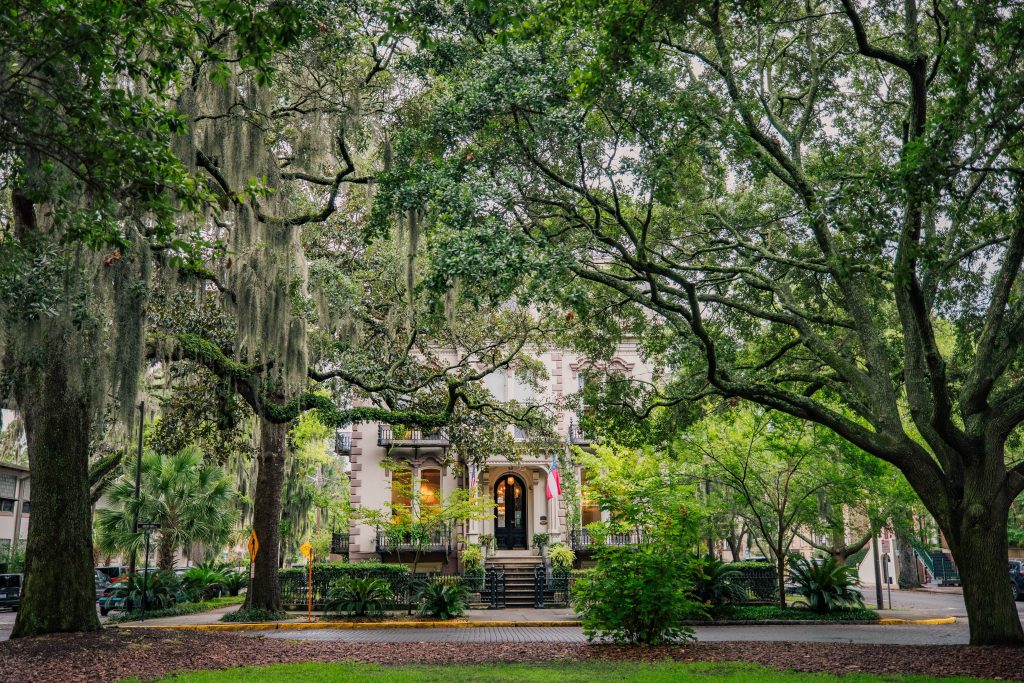
Savannah is practically a history lesson you can walk through. The historic district is filled with grand homes, ironwork and moss-draped squares. The Owens-Thomas House & Slave Quarters is a great example. Its Regency architecture offers a glimpse into Savannah’s early 19th-century elite. Its preserved slave quarters tell a much harder part of the city’s story.
Spain has similarly layered landmarks. The Alhambra is one of the most remarkable examples. The palace and fortress complex was built during the Nasrid dynasty. The place reflects centuries of Islamic rule in southern Spain. Visitors can book a private Alhambra tour in Granada to admire its intricate tilework, carved interiors and stunning courtyards.
Spain and the Southern U.S. have different architectural traditions. But the feeling is familiar. Both places reward visitors who look beyond the postcard view.
Religion as Community Celebrations
Religion has shaped community traditions across the American South for generations. In the Deep South, church life can be huge. Easter Sunday brings families to beautifully dressed church services. Christmas brings candlelit services and nativity scenes. The Cathedral of St. John the Baptist in Savannah is a striking piece of the city’s religious landscape.
Spain also has a particularly rich calendar of Catholic celebrations. Seville’s Holy Week processions are a famous example. Religious brotherhoods carry elaborate floats through packed streets. Meanwhile, families gather along the route. The traditions differ from Southern church life. But the community role is familiar. Faith becomes part of the community’s pulse in certain seasons.
Music That Brings People Together

Music has deep roots in Southern life. The region’s musical history includes gospel, jazz, blues and African American musical traditions. Live performances can turn into a social occasion fast. Music gives people a reason to gather. Every note carries pieces of local history.
Spain has powerful musical traditions of its own. Flamenco is especially tied to Andalusia. Its song and dance grew from centuries of cultural exchange. You can hear it in intimate venues and lively festivals across southern Spain. Music plays a familiar social role in the two places. It gives people something to share, sing along with and bond through.
Spanish and Southern culture may live on opposite sides of the Atlantic. But their similarities are charming. Both know the pleasure of lingering over a meal. Of gathering the family. Of celebrating local traditions. Different histories can still create familiar ways of living. So if Spain ever feels oddly familiar on your next visit, don’t be surprised. You may have found a little Southern spirit across the sea.
The post 7 Surprising Similarities Between Spanish Culture and the Southern U.S. appeared first on Deep South Magazine.