Africans with over $50 million are buying more property to protect their fortunes
Africa’s wealthiest individuals are increasingly turning to real estate as a haven for their fortunes, using property to preserve wealth, diversify investments, and generate long-term income amid growing economic and geopolitical uncertainty.
 Black News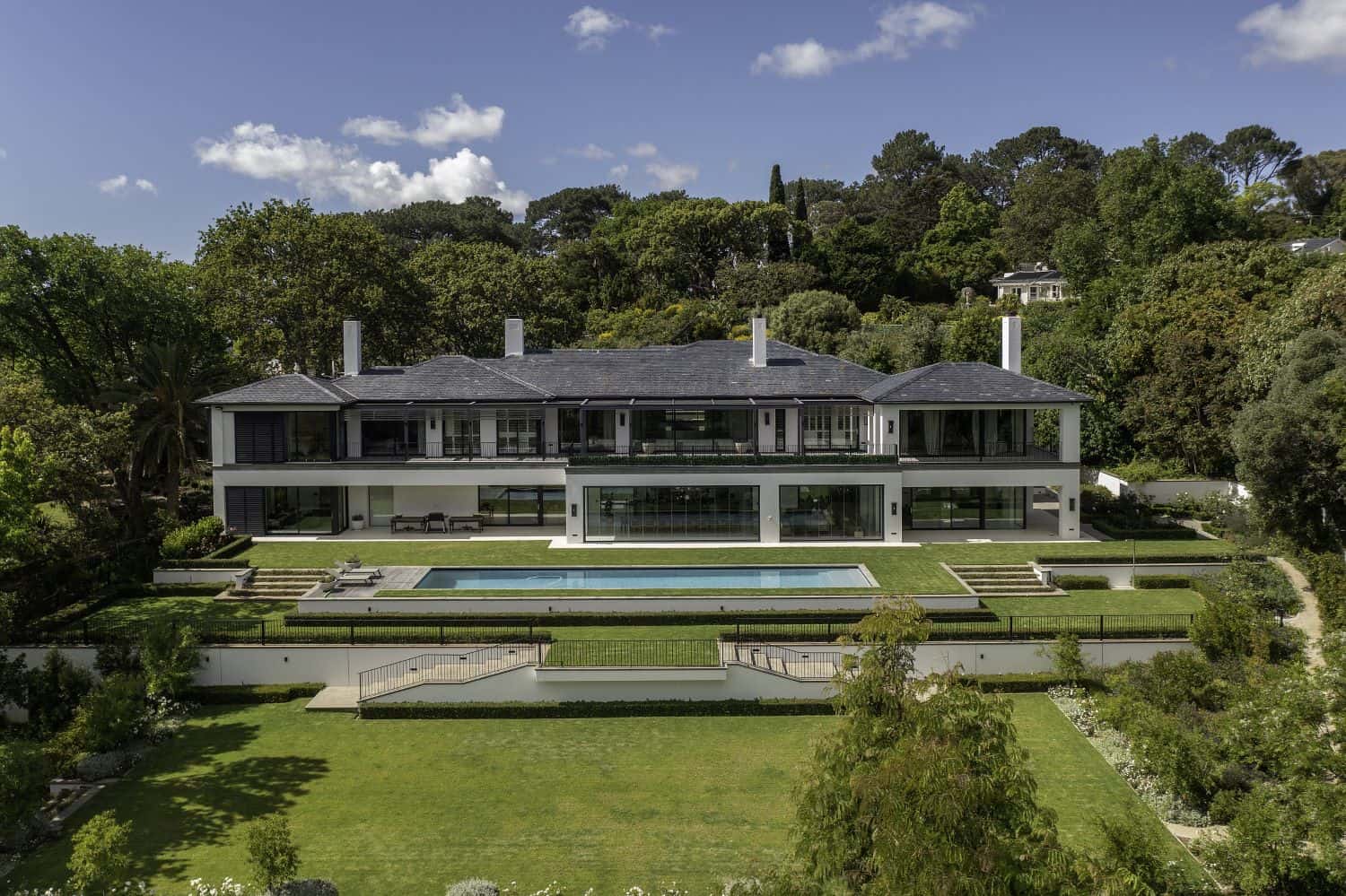

Africa’s wealthiest individuals are increasingly turning to real estate as a haven for their fortunes, using property to preserve wealth, diversify investments, and generate long-term income amid growing economic and geopolitical uncertainty.
- Africa's wealthiest individuals are increasingly investing in real estate to preserve and diversify their wealth.
- South Africa has seen a doubling in residential and commercial property acquisitions by ultra-wealthy clients within a year, driven by lower interest rates and strong demand.
- Cape Town has emerged as Africa's wealth capital, attracting affluent local and international migrants due to its lifestyle and property market.
- Investors in countries like Kenya and Ghana view property as a hedge against inflation and currency instability, focusing on premium office, industrial, and logistics assets.
According to new insights from Standard Bank, Africa’s largest lender by assets, high-net-worth individuals with at least $50 million in investable assets have significantly increased their exposure to residential, commercial, and industrial property across key African markets.
The trend has been particularly pronounced in South Africa, where the number of residential and commercial properties acquired by the bank’s ultra-wealthy clients more than doubled in the 12 months to September 2025 compared with the previous year, Bloomberg reported.
The buying spree accelerated after the South African Reserve Bank began cutting interest rates in 2024, making property financing more attractive. Yet, according to Standard Bank, investor appetite has remained resilient even as global uncertainties—including Middle East tensions, inflation concerns, and market volatility—continue to unsettle financial markets.
The trend highlights a defining characteristic of Africa’s wealthy: a preference for long-term wealth preservation over short-term market speculation. Rather than reacting to political developments or temporary economic shocks, many affluent investors are positioning assets for future generations.
Millionaire Hubs Drive Demand
Africa's wealth landscape is also expanding. According to the latest Africa Wealth Report by Henley & Partners, South Africa remains the continent’s wealthiest country, home to more than 41,000 dollar millionaires. Other rapidly growing wealth hubs include Nigeria, Kenya, Egypt, Morocco, and Mauritius, where entrepreneurship, technology, financial services, mining, and manufacturing continue to create new fortunes.
As wealth grows, so too does demand for property. In South Africa, the average value of residential properties purchased by wealthy investors rose 38% during the period under review. Much of that demand was concentrated in the Western Cape, home to some of Africa’s fastest-growing millionaire destinations, including Cape Town, the Cape Winelands, and the Whale Coast region.
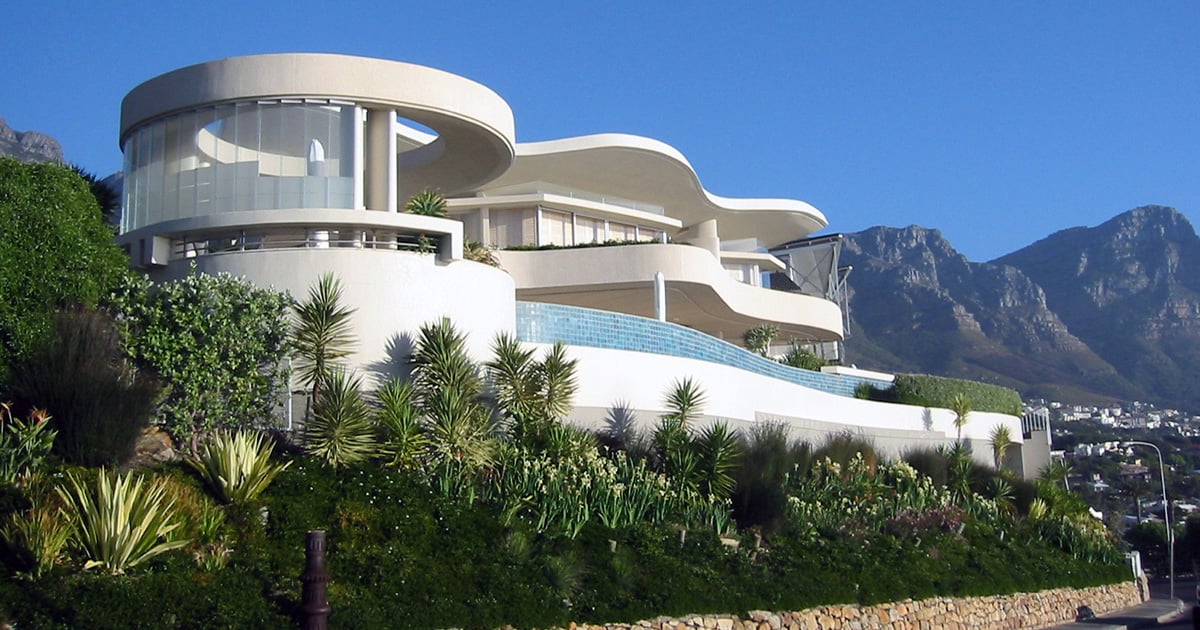
Rankings by Henley & Partners identified Cape Town as Africa’s wealth capital, with the city attracting a growing number of affluent migrants from both within and outside the continent. The city's lifestyle appeal, relatively strong infrastructure, and established property market continue to make it a preferred destination for wealth preservation.
Beyond South Africa, investors are increasingly targeting premium office developments, farmland, logistics hubs, and residential estates across countries such as Kenya and Ghana. In these markets, real estate is often viewed as a hedge against currency depreciation and inflation, helping wealthy families preserve purchasing power in volatile economic environments.
Industrial and logistics assets are emerging as particularly attractive opportunities. Standard Bank noted that nearly two-thirds of commercial real estate purchases by its wealthy clients were concentrated in industrial properties, reflecting growing demand for warehousing, distribution centres, and logistics infrastructure driven by e-commerce growth and expanding regional trade.
The shift reflects a broader transformation in how African wealth is being managed.
In a report released this week, Standard Bank categorised the continent’s wealthy into three groups: entrepreneurs, corporate executives, and legacy stewards. Entrepreneurs account for roughly 90% of Africa’s wealthy population, showing the central role of business ownership in wealth creation across the continent.