Africa’s richest man, Dangote, positions $10bn cement empire for London market entry
Aliko Dangote is considering what could become the first major London listing of his cement empire as he seeks deeper international capital pools to support expansion across Africa.
 Black News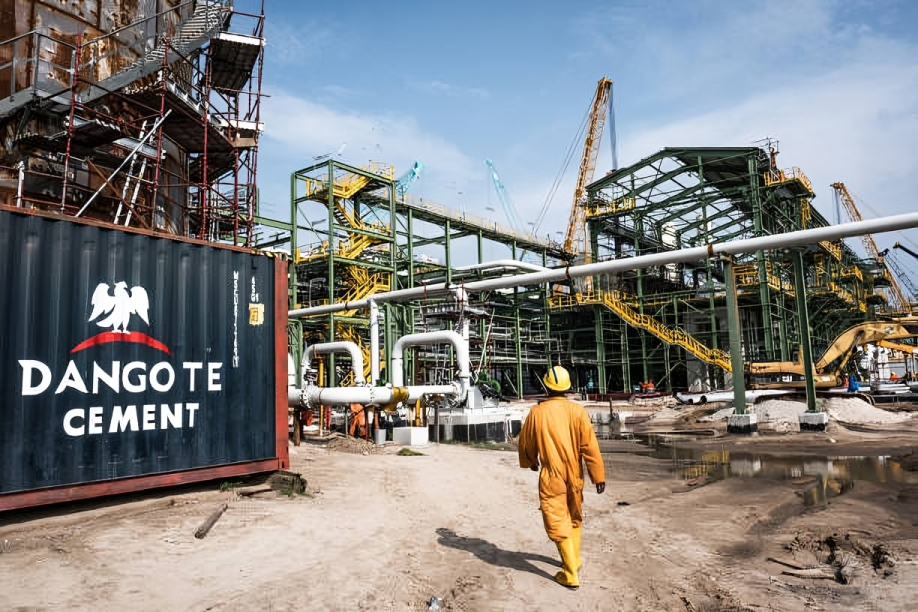
![Africa’s richest man, Dangote, positions $10bn cement empire for London market entry [Tom Saater/Bloomberg via Getty Images]](https://ocdn.eu/pulscms/MDA_/fac5bd0118547e04f78c9e6f9bbe482f.png)
Aliko Dangote is considering what could become the first major London listing of his cement empire as he seeks deeper international capital pools to support expansion across Africa.
- Aliko Dangote is considering listing part of his cement business in London to access deeper global capital pools.
- Dangote Cement is Africa’s largest cement producer, with a total installed capacity of about 55 million tonnes per annum across over 10 countries.
- A London listing could attract more institutional investors from Europe and North America, improving valuation and expanding the investor base.
- The company’s strategy focuses on aggressive regional expansion to meet growing infrastructure and construction demand across Africa.
According to the Financial Times, Aliko Dangote is exploring plans to list part of his cement business in London, a move that would significantly raise the global profile of one of Africa’s largest industrial conglomerates.
The potential listing comes as Dangote Cement continues its aggressive pan-African expansion strategy.
The company has an installed production capacity of about 55 million tonnes per annum (Mta) across more than 10 African countries, making it the continent’s largest cement producer by output.
In Nigeria alone, Dangote Cement operates integrated plants and grinding facilities that account for a dominant share of domestic supply.
Financially, the company is also one of Africa’s most valuable industrial firms, with a market capitalisation typically estimated in the range of $10–11 billion, depending on currency movements and equity performance on the Nigerian Exchange.
This scale places it among the continent’s top-listed manufacturing companies.
Analysts say a London listing could help Dangote tap deeper global liquidity pools, particularly from institutional investors in Europe and North America who manage trillions of dollars in assets but often have limited exposure to African industrial equities.
It could also improve valuation multiples compared to emerging-market-only listings, where liquidity is thinner and investor bases more concentrated.
Expansion ambitions backed by scale economics
Dangote Cement’s growth model is increasingly regional rather than domestic.
The company has expanded operations into over a dozen African markets, including key positions in Ethiopia, Senegal, Tanzania, Zambia, and South Africa-linked export routes, allowing it to serve fast-growing construction demand across the continent.
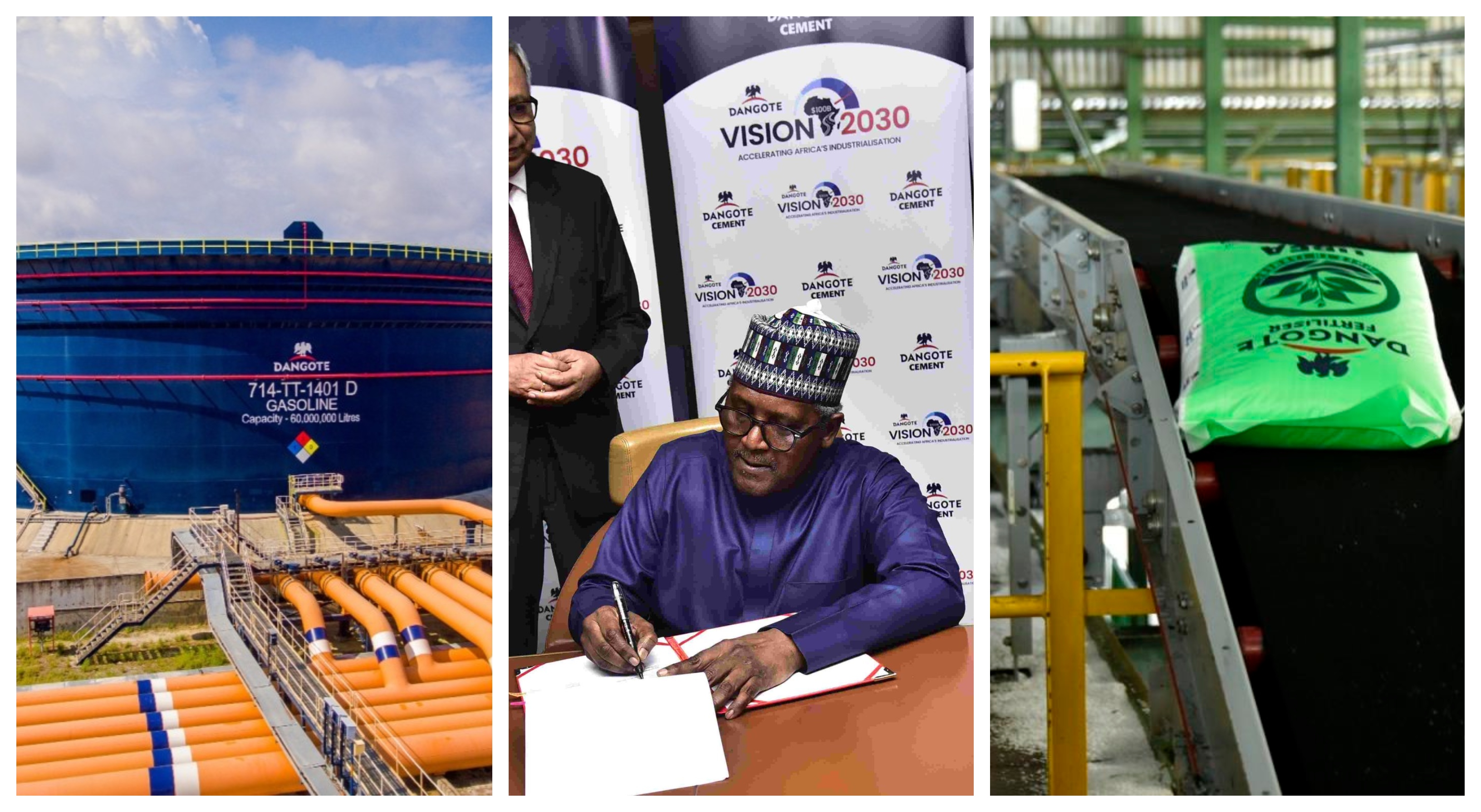
The London market move also comes as Dangote’s broader industrial empire seeks deeper access to international investors, with the group already preparing a public offering for its $20 billion refinery business. Reports have also linked the refinery IPO to possible cross-border or international market participation.
Across Africa, cement demand is projected to rise steadily, driven by infrastructure deficits, urbanisation, and population growth.
The African Development Bank estimates that the continent faces an annual infrastructure financing gap of over $100 billion, much of which is linked to housing, transport, and energy projects—all cement-intensive sectors.
The group’s expansion strategy has also been supported by rising exports from Nigeria, which have increased as domestic capacity outpaces local demand. This regional trade positioning has strengthened Dangote Cement’s role as a key supplier in West and Central African construction markets.
For Dangote, a London listing would therefore go beyond fundraising. It would mark a shift toward deeper integration with global capital markets, potentially lowering financing costs, improving investor visibility, and supporting long-term expansion across Africa’s fast-growing infrastructure economy.