B2Gold offloads $325 million European assets as it deepens expansion in Africa’s top gold market
Canadian miner B2Gold is divesting its $325 million European assets as it sharpens its focus on expanding operations in Mali, in a strategic shift toward higher-yield mining jurisdictions.
 Black News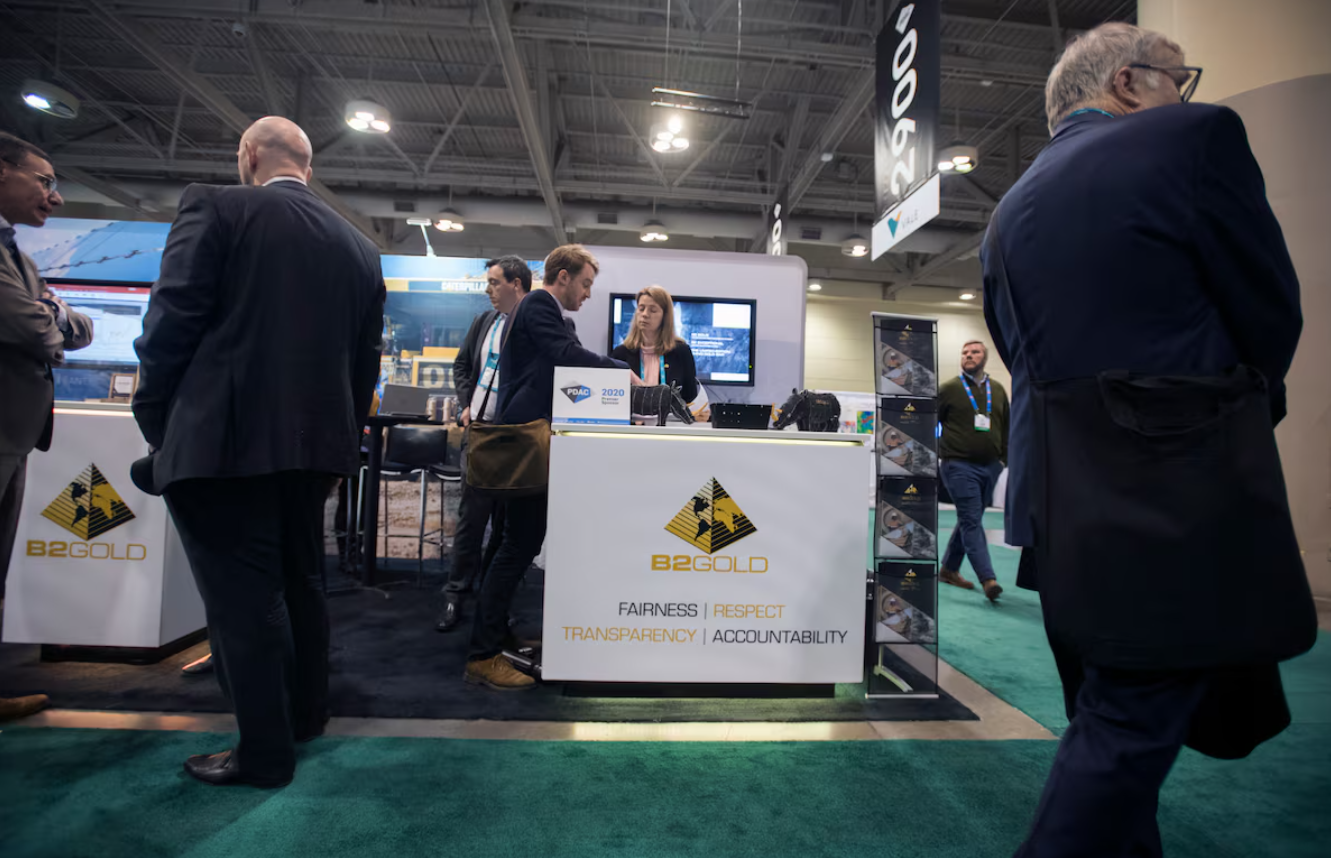



Canadian miner B2Gold is divesting its $325 million European assets as it sharpens its focus on expanding operations in Mali, in a strategic shift toward higher-yield mining jurisdictions.
- B2Gold is increasing its focus on Mali despite the country tightening control over its mining sector.
- The company is selling part of its European assets in a $325 million deal to Agnico Eagle Mines to reinforce its Malian operations.
- Proceeds from the sale will strengthen B2Gold's financial position and support working capital needs.
- Mali's new mining policies favor established operators with strong government ties while increasing state participation in the sector.
The company recently agreed to sell part of its European assets in a $325 million deal to Agnico Eagle Mines Limited, signalling a strategic pivot toward its core operations in Mali, particularly around the Fekola gold complex.
Ecofin Agency reports that the transaction remains subject to regulatory approvals and is expected to close by the end of the month. Proceeds from the deal are expected to strengthen the group’s financial position and support its working capital needs
While Mali has moved to increase state participation and oversight in mining, including higher ownership stakes and stricter compliance rules, the policy shift has not deterred B2Gold. Instead, it appears to be reinforcing the company’s long-term commitment to the country.
Tighter rules, deeper partnerships
While the deal and announcement confirm B2Gold’s increased focus on Mali, they do not explicitly single out the Fekola mine as the sole priority.
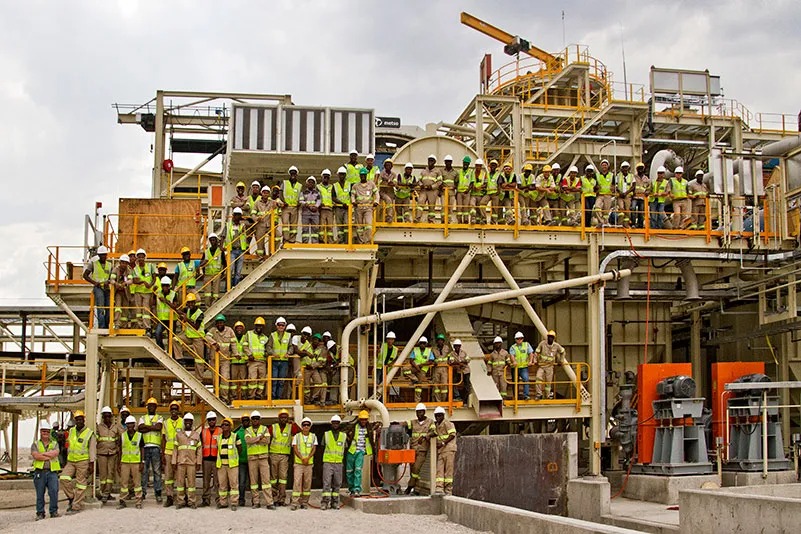
However, the company’s Malian operations remain central to its growth strategy, with the Fekola complex producing 530,769 ounces of gold in 2025, making it its largest asset globally, ahead of operations in Namibia, the Philippines, and Canada.
Output is expected to reach up to 460,000 ounces in 2026, supported by about $280 million in sustaining capital. The company is also advancing the Fekola Regional project, which could add roughly 180,000 ounces annually once operational, further strengthening Mali’s role in its portfolio.
Mali’s evolving mining framework, often described as resource nationalism, is reshaping the sector in more nuanced ways. Rather than pushing out foreign firms, the government is increasing its participation while maintaining partnerships with established operators.
B2Gold was among the early mining companies to reach an agreement with Mali under its revised mining framework, resolving tax-related claims and broader fiscal disputes in September 2024, and agreeing to bring part of its exploration activities in line with the country’s new regulations
For B2Gold, this has translated into regulatory continuity, with ongoing approvals supporting expansion at Fekola.
The shift is creating a divide across the industry—new or non-compliant players face mounting pressure, while entrenched companies with strong government ties are finding room to scale.
B2Gold’s $325 million divestment of European assets reflects this reality, as it reallocates capital toward a market where it already has operational depth and alignment with state priorities.
In the long term, Mali’s approach could favour fewer, more deeply embedded players. For B2Gold, the strategy is clear: accept tighter state involvement in exchange for stability and access to high-yield gold assets.