Canva's billionaire founders are giving $150 million directly to Malawi's poorest—with no strings attached
Canva billionaires Melanie Perkins and Cliff Obrecht are investing $150 million in an ambitious experiment that challenges conventional aid by putting cash directly into the hands of Malawi's poorest households.
 Black News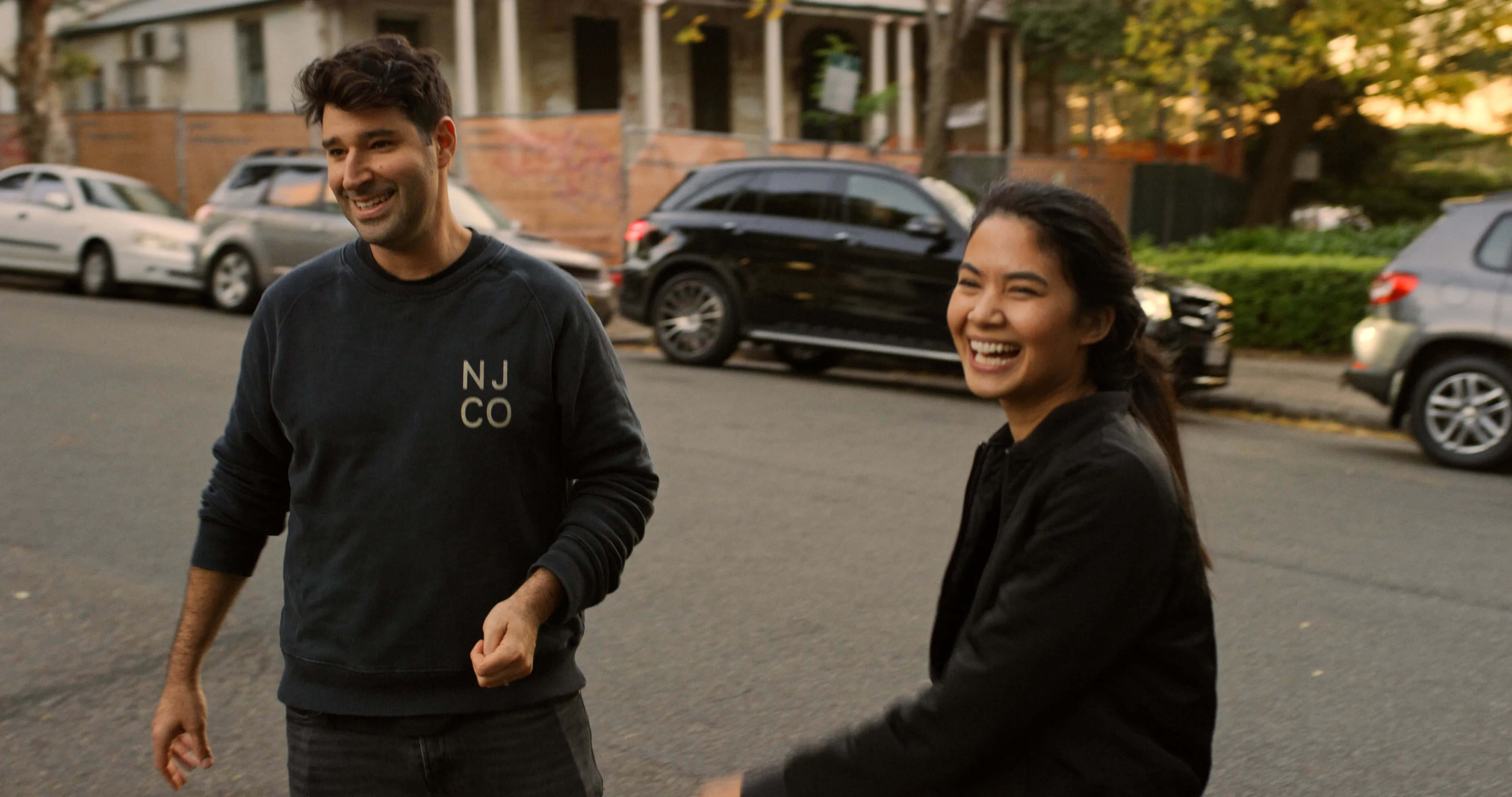

Canva billionaires Melanie Perkins and Cliff Obrecht are investing $150 million in an ambitious experiment that challenges conventional aid by putting cash directly into the hands of Malawi's poorest households.
- Canva founders Melanie Perkins and Cliff Obrecht are investing $150 million into a cash transfer program in Malawi, giving money directly to the poorest households.
- Launched in 2021, the initiative has grown into the largest unconditional cash transfer program ever in a low-income country, with each adult recipient getting about $550.
- Early results show 90% of recipients in one area moved above the extreme poverty line in three months, alongside significant drops in child mortality and illness, and increased school enrollment.
- Economic research found that each $1,000 transferred boosted local economic activity by about $2,400, and fears of inflation have not materialised.
Canva billionaires Melanie Perkins and Cliff Obrecht are investing $150 million in an ambitious experiment that challenges conventional aid by putting cash directly into the hands of Malawi's poorest households.
Since launching the initiative in 2021 through the Canva Foundation and nonprofit GiveDirectly, the couple has expanded what began as a $10 million pilot into the largest unconditional cash transfer program ever attempted in a low-income country, BillionairesAfrica reported.
Instead of building infrastructure or distributing food, the program sends cash directly to recipients via mobile phones, with no strings attached. Each adult receives about $550—an amount that can exceed a year's income for many Malawians.
The initiative has expanded rapidly. After committing $50 million between 2021 and 2023, the couple pledged another $100 million in October 2025, the largest single donation in GiveDirectly's history. So far, more than $52.5 million has reached recipients, with the remainder scheduled for distribution over the next four years.
Early results have been striking. In Malawi's Khongoni sub-district, where every adult received cash, 90% of recipients rose above the extreme poverty line within three months, according to GiveDirectly.
The organisation also reported a 48% decline in child mortality, a 27% reduction in illness and a 23% increase in school enrolment. More than 139,000 people have benefited from the program.
Researchers have also found broader economic gains. A study showed that every $1,000 transferred generated roughly $2,400 in local economic activity as recipients spent and reinvested the money in nearby businesses. Fears that the influx of cash would trigger inflation failed to materialise, with markets absorbing the increased spending.
Testing the model
The next phase is even larger. In Malawi's Chiradzulu district, the program aims to reach 185,000 people by early 2027 in what GiveDirectly says is the world's largest randomised controlled trial of unconditional cash transfers.
Conducted in collaboration with the Malawian government, the study will examine whether additional support, such as technical assistance or community grants, yields better outcomes than cash alone.
For Perkins and Obrecht, the project reflects a broader philosophy. The pair, who signed the Giving Pledge in 2021, have committed to donating most of their Canva wealth through their foundation. Their belief is simple: people experiencing poverty are often best placed to decide what they need most.