Cartier owner Richemont beats forecasts with $7.24billion sales as luxury demand stays strong from Asia to the Americas, boosting outlook for Africa
The global appetite for luxury jewellery is proving far more resilient than many investors expected.
 Black News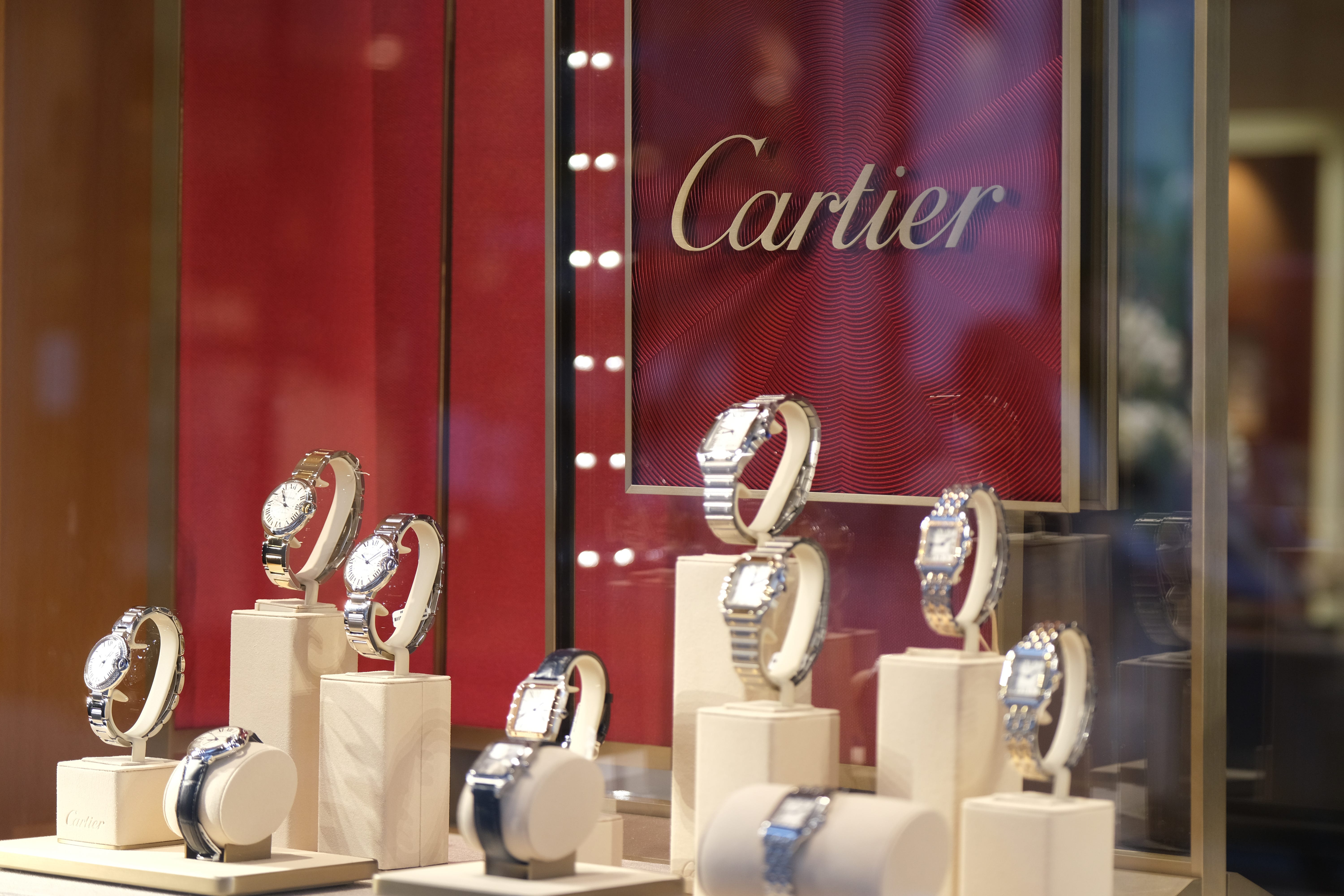

The global appetite for luxury jewellery is proving far more resilient than many investors expected.
- Cartier owner Richemont reported stronger-than-expected quarterly sales of $7.24 billion (€6.33 billion).
- Robust demand for luxury jewellery in Asia and the Americas helped offset concerns about a broader slowdown in luxury spending.
- The results highlight the resilience of high-end jewellery as affluent consumers continue to spend despite economic uncertainty.
- The strong performance also offers a positive signal for emerging luxury markets, including Africa.
Richemont, the Swiss luxury group behind Cartier, reported €6.33 billion ($7.24 billion) in sales for the three months ended June, comfortably beating analysts’ expectations as affluent shoppers continued spending on high-end jewellery despite an uncertain global economy.
The company’s quarterly sales rose 20% at constant exchange rates, surpassing the €5.90 billion ($6.75 billion) forecast compiled by Visible Alpha.
The strong performance reinforces the view that the world’s wealthiest consumers remain willing to spend on premium jewellery even as inflation, geopolitical tensions and weaker consumer confidence continue to weigh on discretionary spending in many parts of the global economy.
Richemont owns some of the luxury industry’s most recognisable brands, including Cartier, Van Cleef & Arpels, Buccellati, Vhernier, Piaget and IWC Schaffhausen.
Jewellery remains Richemont’s biggest growth engine
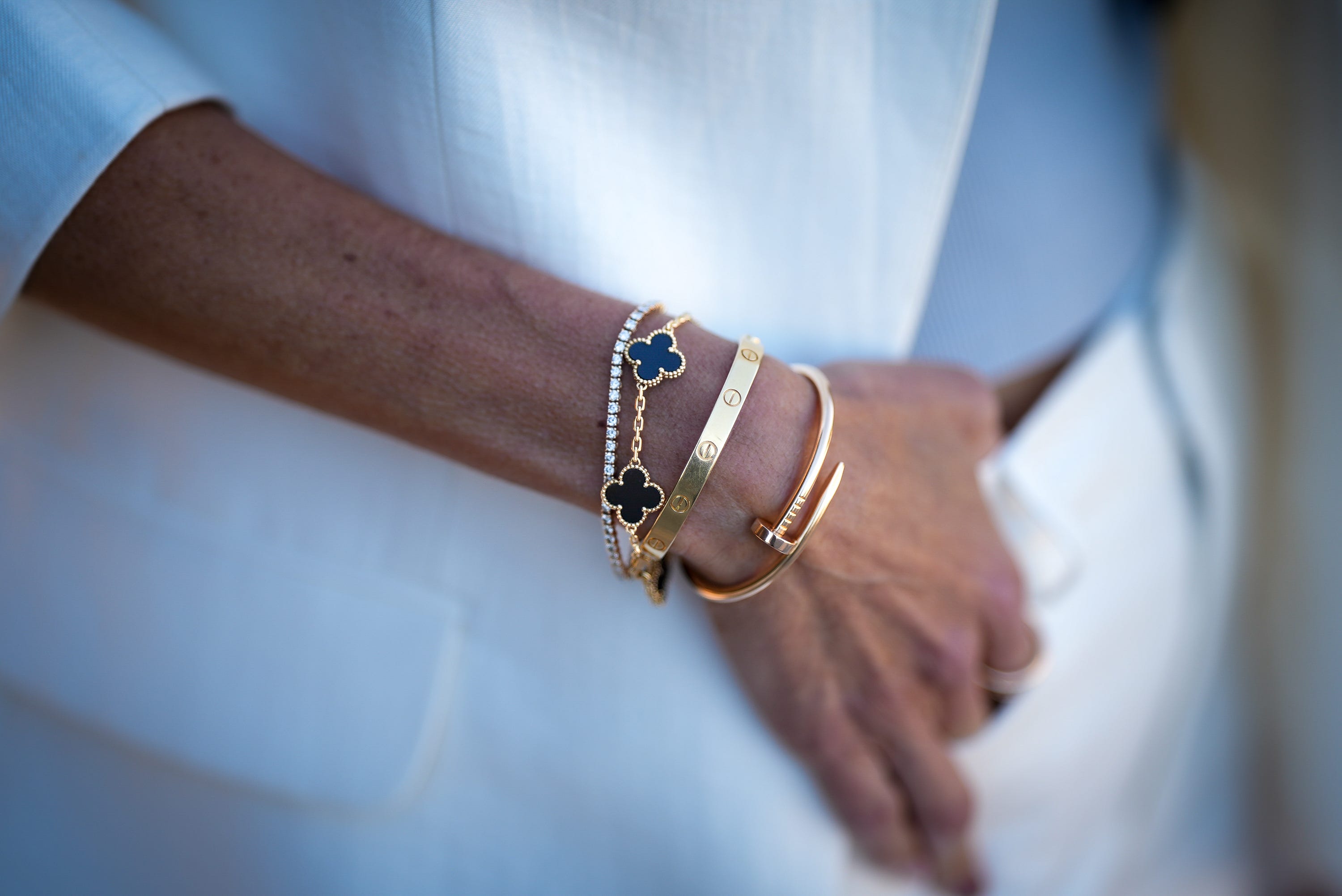
The group’s jewellery division delivered another standout performance, with sales rising 24%, more than double analysts’ expectations of 11.5%.
Strong demand for Cartier and Van Cleef & Arpels helped offset broader concerns about slowing luxury consumption, reaffirming jewellery’s position as one of the industry’s most resilient categories.
DON'T MISS THIS: Johann Rupert’s Richemont just posted record profits but China’s growing love for local luxury brands is a looming threat
Richemont’s specialist watchmakers, including Piaget and IWC, also recorded healthy momentum, with sales increasing 8% during the quarter.
Asia and the Americas continue to lead growth
Regional performance showed that luxury demand remains strongest in the Americas and Asia-Pacific.
Sales in the Americas climbed 27%, accelerating from 18% growth in the previous quarter as affluent consumers continued spending despite elevated interest rates and economic uncertainty.
Meanwhile, Asia-Pacific, which includes China, recorded 21% sales growth, up from 14% in the previous quarter. The improvement suggests demand is recovering in a market that has weighed on the luxury industry over the past two years as China’s economic slowdown dampened consumer spending.
Why investors are paying attention
Richemont’s results arrive at a time when investors have been closely watching the health of the global luxury sector.
Several luxury groups have reported weaker demand in recent quarters, particularly in China, raising concerns that years of rapid post-pandemic growth were coming to an end.
DON'T MISS THIS: African billionaire Johann Rupert’s Richemont overtakes Walmart in North America’s jewellery market with just 105 stores
However, Richemont has continued to outperform many rivals, largely because fine jewellery has remained more resilient than categories such as fashion and leather goods.
Unlike handbags or seasonal fashion, high-end jewellery is increasingly viewed by wealthy consumers as both a luxury purchase and a long-term store of value, helping demand remain relatively stable even during periods of economic uncertainty.

Why Africa should pay attention
Richemont’s performance also carries significance beyond its traditional markets.
Africa remains a relatively small contributor to global luxury sales, but the continent’s high-net-worth population has continued to expand, creating new opportunities for premium brands.
DON'T MISS THIS: Africa’s luxury billionaire Johann Rupert completes strategic sale of 196-year-old Swiss watchmaker to Italy’s Damiani
According to wealth reports by global advisory firms, cities such as Johannesburg, Lagos, Cape Town, Nairobi and Casablanca are home to growing numbers of affluent consumers whose spending on luxury goods has been rising over the past decade.
For luxury companies facing slower growth in mature markets, Africa is increasingly viewed as a long-term opportunity alongside other emerging economies.
Richemont’s strong results suggest demand for iconic brands remains resilient, providing further confidence for companies investing in the next generation of wealthy consumers across the continent.
The latest earnings also reinforce a broader trend reshaping the luxury industry: while economic uncertainty may be slowing discretionary spending for many households, the world’s wealthiest consumers continue to drive growth for premium brands with strong heritage, pricing power and global appeal.