Catholic Bishops Voice Concern Over Worsening Economic and Social Conditions in Burundi
Bishops cite fuel shortages, deteriorating infrastructure, rising living costs, and shortages of essential goods as key challenges facing the country.
 Black News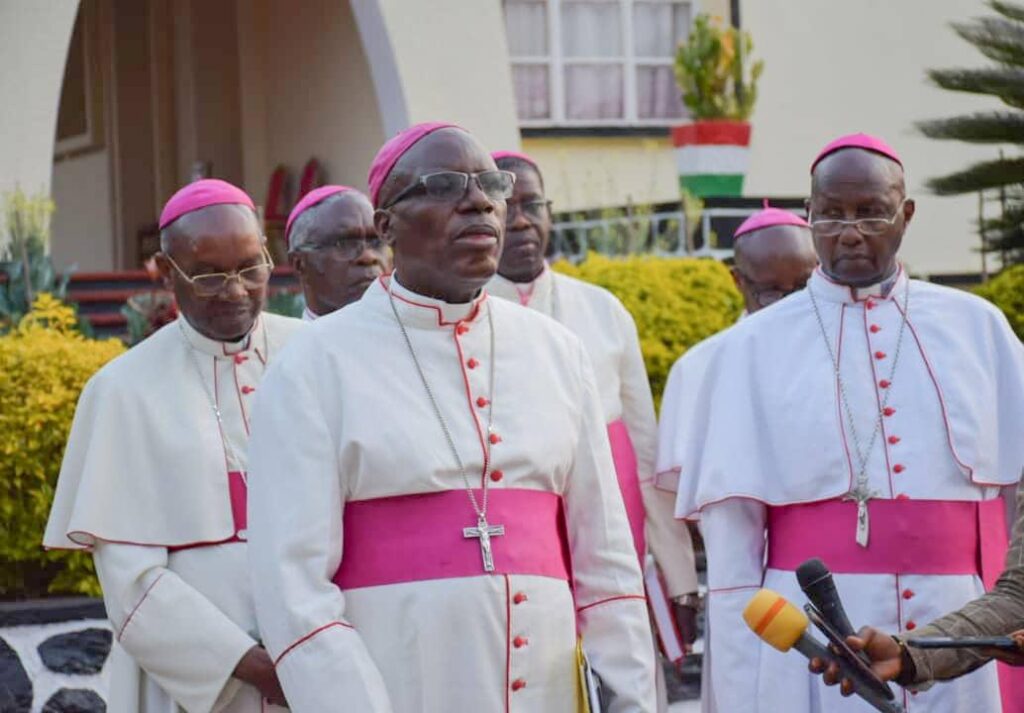
Burundi’s Catholic bishops have raised fresh concerns about the country’s mounting economic, social, and political challenges, warning that persistent shortages of essential goods, poor infrastructure, and the continued departure of skilled workers are taking a heavy toll on the nation.
In a statement issued Tuesday following their ordinary assembly held last week, the Catholic Bishops’ Conference of Burundi (CECAB) said it was deeply troubled by the hardships facing ordinary citizens.
Among the key issues highlighted by the bishops were the country’s deteriorating road network and the ongoing fuel shortage, which they say continue to disrupt daily life and economic activity.
“The majority of roads across the country have fallen into disrepair, making transportation increasingly difficult,” the bishops said. “This situation is worsened by the persistent lack of fuel, leading to serious challenges in the movement of people and goods.”
According to the conference, the transport crisis has contributed to overcrowded vehicles and unsafe travel conditions, resulting in accidents and loss of life.
The bishops also expressed concern over the continued scarcity of basic necessities, including food products and medicines, a problem that has persisted despite repeated calls for solutions.
Burundi has struggled with fuel shortages for several years, a crisis that has pushed up the cost of living as transport costs rise and economic activity slows.
Another issue highlighted in the statement was the growing number of Burundians leaving the country in search of better opportunities abroad. The bishops described the trend as a worrying “brain drain” affecting key sectors of society.
“We regret the continued loss of the nation’s vital forces — young people, teachers, doctors, and other civil servants — who are leaving for foreign countries,” the statement said.
Since 2025, reports of civil servants quitting their jobs to seek employment abroad have become increasingly common. While critics see the trend as evidence of economic difficulties, government officials have occasionally portrayed it as proof that Burundian professionals are valued internationally.
The bishops also questioned reports that some citizens are being compelled to make financial contributions to a political party despite not being members. They argued that such practices run contrary to constitutional guarantees of political pluralism.
Although the conference did not name any specific party, allegations of compulsory contributions have often been linked to the ruling CNDD-FDD party, which had not responded to the bishops’ remarks at the time of publication.
Beyond economic and political concerns, the Church raised questions about justice and security, pointing to cases in which bodies are found with no apparent progress in identifying those responsible. The bishops also criticized situations where prisoners remain behind bars despite having completed their sentences or having been acquitted by the courts.
The issue of unlawful detention was also discussed in Parliament earlier this year, with the Justice Minister promising measures to address prison overcrowding and accelerate the release of eligible detainees.
The Catholic Church has long been one of the country’s most outspoken institutions on national affairs. In recent years, it has repeatedly voiced concerns about governance, the rising cost of living, and the concentration of political power.