China targets Namibia’s oil, uranium and lithium in fresh strategic partnership
China is moving to strengthen its position in one of Africa’s fastest-rising resource economies, signing new agreements with Namibia covering energy, critical minerals, infrastructure and agriculture as Beijing seeks deeper access to commodities vital to the global energy transition.
 Black News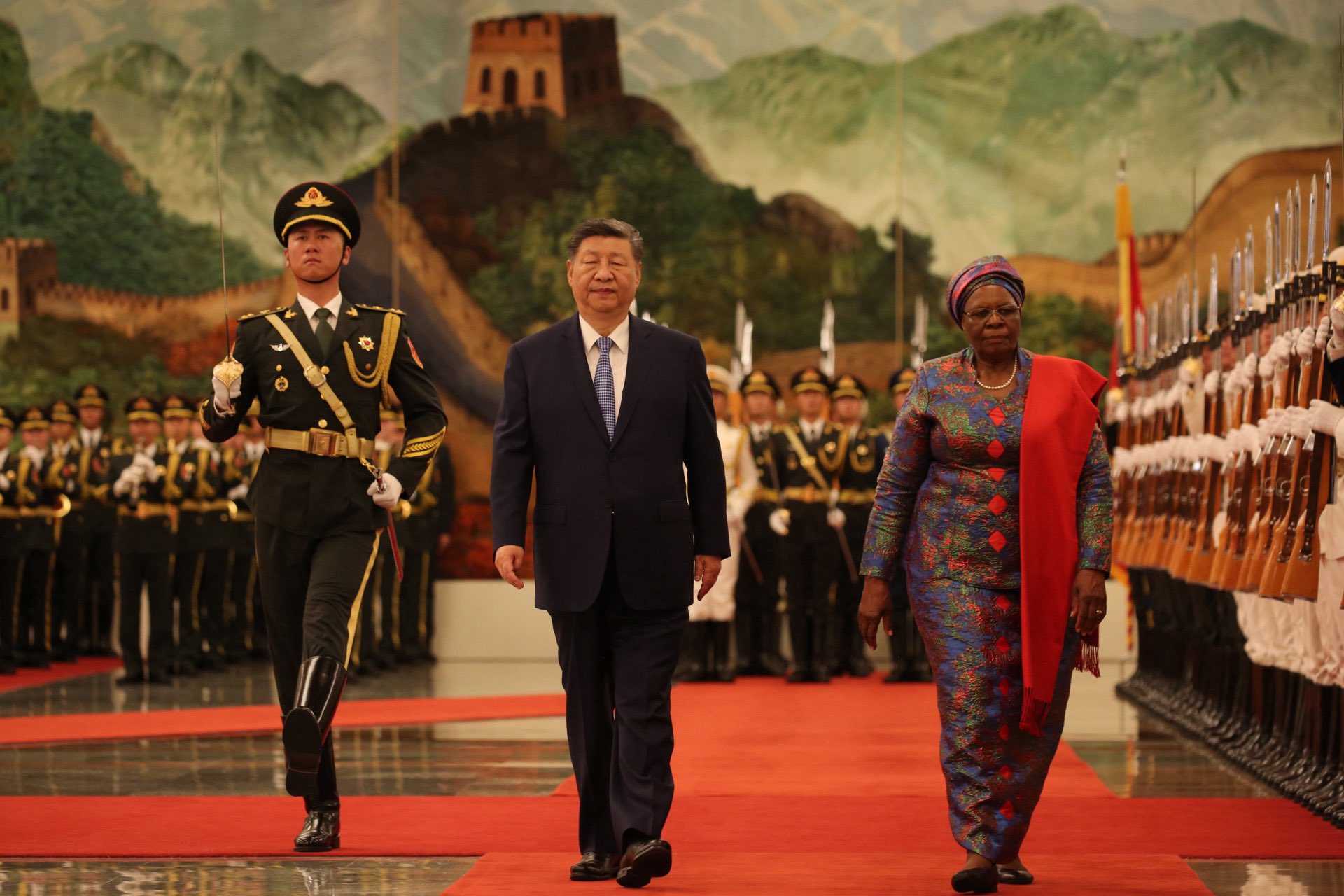


China is moving to strengthen its position in one of Africa’s fastest-rising resource economies, signing new agreements with Namibia covering energy, critical minerals, infrastructure and agriculture as Beijing seeks deeper access to commodities vital to the global energy transition.
- China and Namibia signed eight cooperation agreements covering energy, mining, infrastructure and agriculture.
- The countries pledged deeper cooperation in uranium, lithium and rare earth development, with an emphasis on local processing and technology transfer.
- The visit comes as Namibia emerges as one of Africa’s most promising new oil and critical minerals producers.
- The agreements strengthen China’s position in a country central to the global energy transition.
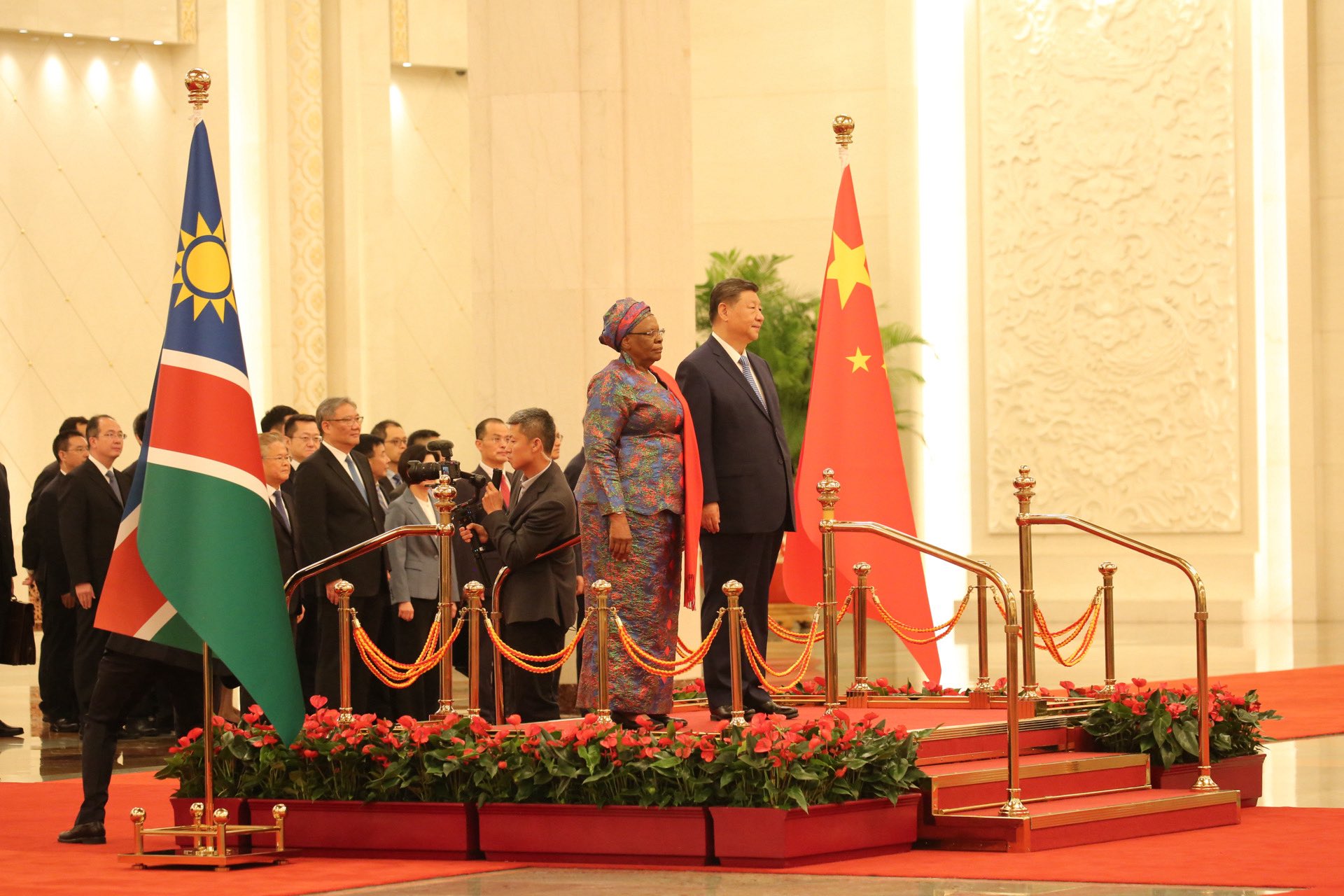
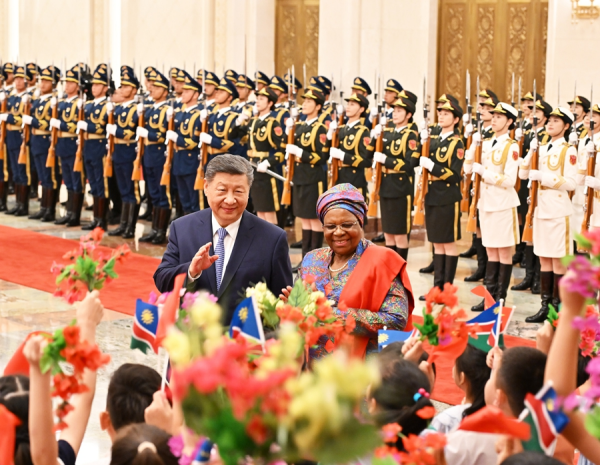
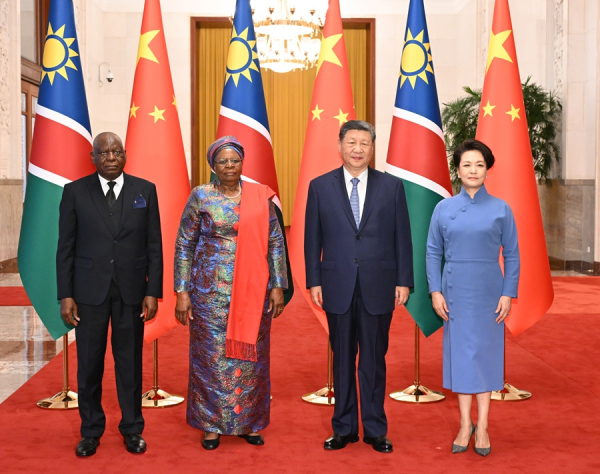
The agreements were signed during Namibian President Netumbo Nandi-Ndaitwah’s state visit to Beijing, where Chinese President Xi Jinping pledged broader cooperation across energy, mining, agriculture, infrastructure, education and technology.
The two countries signed eight agreements, including cooperation on green minerals and an economic partnership framework.
The visit is Nandi-Ndaitwah’s first state visit outside Africa since taking office in 2025, underlining the strategic importance Namibia places on its relationship with China as it seeks investment to diversify its economy, create jobs and accelerate industrialisation.
China eyes Namibia’s next resource boom
Namibia has rapidly emerged as one of the world’s most closely watched frontier energy markets following major offshore oil discoveries by Shell, TotalEnergies and Galp, discoveries that could transform the country’s economy when production begins later this decade.
Current estimates put discovered resources at around 2.6 billion barrels of crude, with Namibia projected to become one of Africa’s leading oil producers by 2030.
DON'T MISS THIS: Namibia, Niger and South Africa on global radar as France, China and Russia chase Africa’s uranium
Beyond oil, Namibia is already one of the world’s leading uranium producers and holds significant deposits of lithium and rare earth minerals, resources that are increasingly critical for electric vehicles, batteries, renewable energy technologies and advanced manufacturing.
That combination has made the country strategically important at a time when governments and companies are racing to secure supplies of critical minerals.
More than mining
One of the most notable aspects of the agreements is their emphasis on local processing, technology transfer and skills development rather than simply increasing exports of raw materials.
DON'T MISS THIS:Namibia moves to position itself as the next major force in critical minerals and rare earths
According to the joint statement reported by Xinhua, both countries agreed to deepen cooperation in uranium, lithium and rare earth development while supporting greater value addition within Namibia.
The approach reflects a broader trend across Africa, where governments are increasingly insisting that foreign investors process more minerals locally to create jobs, build industrial capacity and retain more value from natural resources instead of exporting raw commodities.
The theme has gained momentum in countries including Zimbabwe, the Democratic Republic of the Congo and Guinea as African governments seek a bigger share of global mineral value chains.
China builds on an established relationship
China is already Namibia’s largest export market, purchasing roughly one-quarter of the country’s exports. Uranium alone accounted for about 85% of Namibia’s exports to China last year, according to the IMF. Chinese companies have also invested approximately $4.2 billion in Namibia, with almost all of that investment directed towards the metals sector.
Earlier in the visit, Nandi-Ndaitwah toured facilities of China General Nuclear Power Corporation (CGN), where she called for stronger cooperation in uranium value addition, clean energy technologies and industrial skills development, priorities that align with her government’s plans to industrialise Namibia’s resource sector rather than remain an exporter of raw materials.
DON'T MISS THIS: Shell wraps up Namibia drilling as Africa’s newest oil hotspot enters a decisive phase
For China, the agreements reinforce its long-term strategy of securing access to commodities that will underpin future growth in electric vehicles, clean energy and advanced manufacturing.
For Namibia, the partnership offers an opportunity to attract investment, expand industrial capacity and convert recent discoveries in oil and critical minerals into broader economic growth.
The agreements also illustrate a wider shift in Africa’s relationship with global investors. Increasingly, resource-rich countries are seeking partnerships that go beyond extraction to include technology transfer, processing and skills development, a model that could reshape how the continent participates in the global energy transition.