Congo launches new offensive against illegal cobalt mining with help from global firms
The Democratic Republic of the Congo's (DRC) state-owned cobalt agency is seeking fresh alliances with big mining companies to combat illegal mining activities that continue to threaten the country's mining sector.
 Black News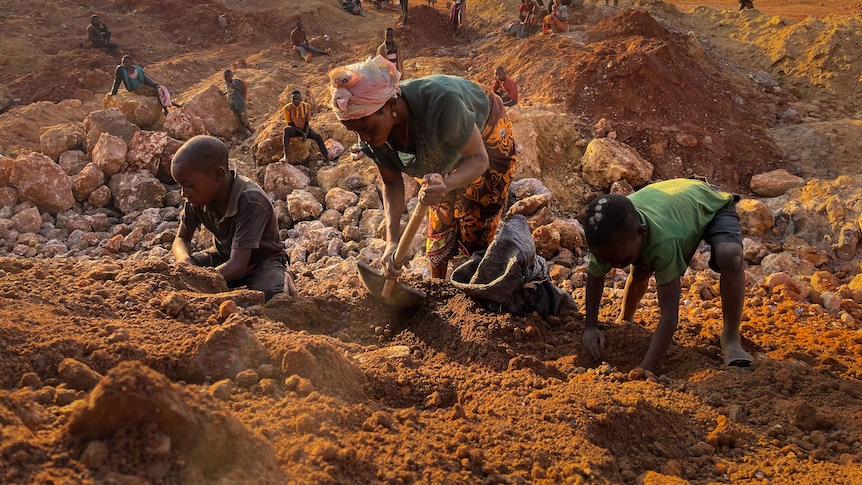

The Democratic Republic of the Congo's (DRC) state-owned cobalt agency is seeking fresh alliances with big mining companies to combat illegal mining activities that continue to threaten the country's mining sector.
- The Democratic Republic of the Congo's state-owned cobalt agency, EGC, is seeking new alliances with major mining companies to combat illegal artisanal mining activities.
- EGC plans to collaborate with industrial operators to designate specific areas within mining concessions for regulated artisanal mining, aiming to provide safer conditions and reduce unlawful operations.
- Illegal artisanal mining poses operational and safety risks for large mining firms, and addressing it has been challenging due to the scale of informal labor.
- EGC recently signed its first contract with Eurasian Resources Group and is negotiating partnerships with other international companies like Chengtun Congo Resources and Virtus Minerals.
The agency, Entreprise Générale du Cobalt (EGC), which oversees the procurement of hand-mined cobalt throughout the country, says it wants to work more closely with industrial operators to solve the rising issue of unlicensed artisanal miners infiltrating huge mining concessions.
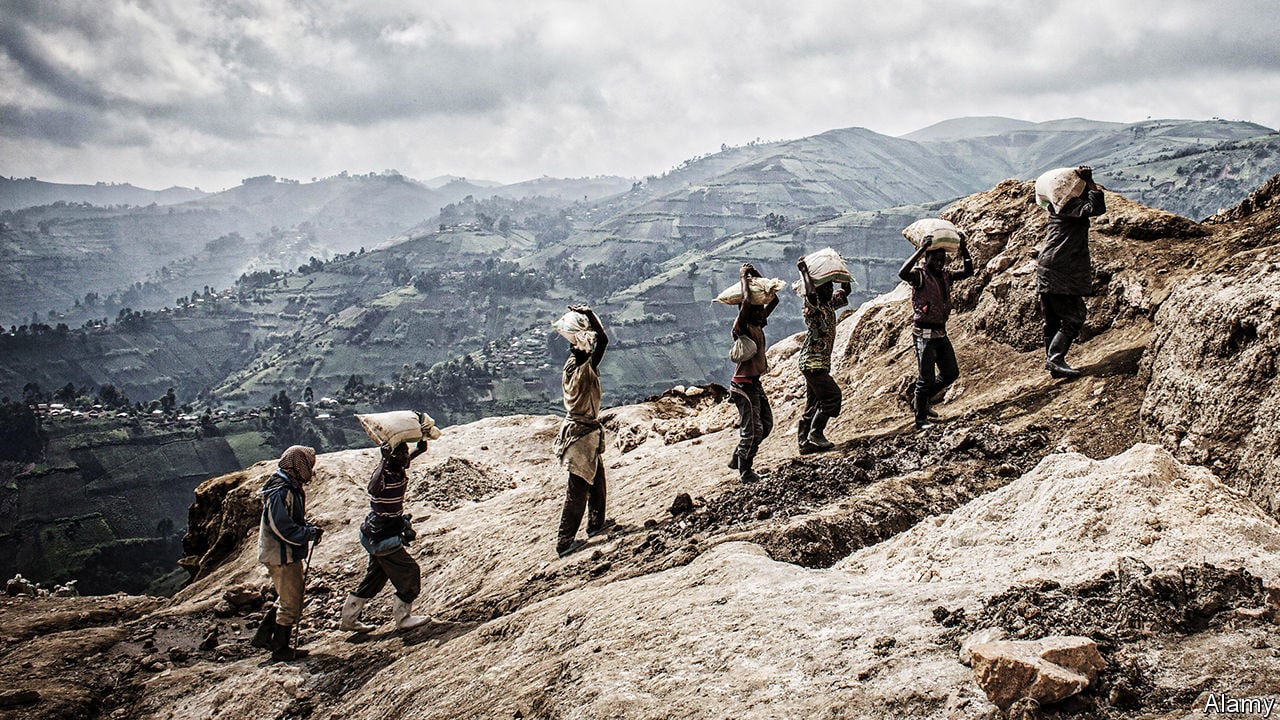
Illegal artisanal mining has long led to operational and safety hazards to Congo's big companies, like the CMOC Group and Glencore.
DON’T MISS THIS: How a $54.5m military contract dispute dragged the DRC into US court amid insecurity, mineral tensions
These activities are propagated by hundreds of thousands of Congolese laborers, many of whom do so despite the hazardous working conditions.
Owing to the scale of informal mining, both government officials and private firms have struggled to completely safeguard mining sites and prevent unwanted entry.
To solve this, Entreprise Générale du Cobalt intends to work with mining corporations to identify specific pieces of land within existing concessions that can be assigned to artisanal mining cooperatives.
According to CEO Eric Kalala, the strategy is meant to provide a more regulated and safer environment for independent miners while eliminating unlawful operations across key cobalt-producing regions.
“It’s one of the social solutions that we’ve offered to the industrials: To work with us to reduce the pressure,” Kalala told Bloomberg in an interview at the Cobalt Institute’s annual congress in Madrid.
EGC would designate “squares” of land for artisanal use without changing the permit’s legal status, he said.
With the implementation of new regulations last year that permit it to form alliances with mining firms to solve the artisanal issue, EGC hopes to allay such worries.
The group secured its inaugural contract in February with Eurasian Resources Group, an entity managing numerous copper and cobalt assets in the country where these minerals often coexist.
Eric Kalala noted that both EGC and ERG are currently in the process of selecting specific sites for this initiative.
As well as working with Chengtun Congo Resources Sarl, a subsidiary of China’s Chengtun Mining Group Co., to process its copper and cobalt, EGC also intends to partner with the American company, Virtus Minerals Inc, which took over multiple copper and cobalt permits earlier this year.
Congo’s prior plans to protect its mines
Late in April, the DRC revealed that it was planning to establish a new paramilitary force to police its mining sector.
According to the country's General Inspectorate of Mines, the project would be supported by funds from both the United States and the UAE.
An initial $100 million investment will enable the deployment of up to 3,000 armed recruits by December, with long-term goals of increasing the force to 20,000 "mining guards" nationally by 2028.
However, shortly after the announcement of the initiative, the United States noted that it has no plans to fund the initiative.
“The U.S. government is not currently funding any units to patrol or guard mines in the Congo,” the U.S embassy said in a statement, noting that Washington remained committed to advancing economic growth and stability in Congo through the strategic partnership.