CXC says AI approach based on fairness and human judgement
The Caribbean Examinations Council (CXC) is assuring students, teachers and parents across the region that its approach to artificial intelligence (AI) in School-Based Assessments (SBAs) is grounded in fairness, human judgement, and confidence in the desire of Caribbean learners to do well in demonstrating their knowledge and competence. CXC’s Director of Operations, Dr. Nicole Manning, […] The post CXC says AI approach based on fairness and human judgement appeared first on nationnews.com.
 Black News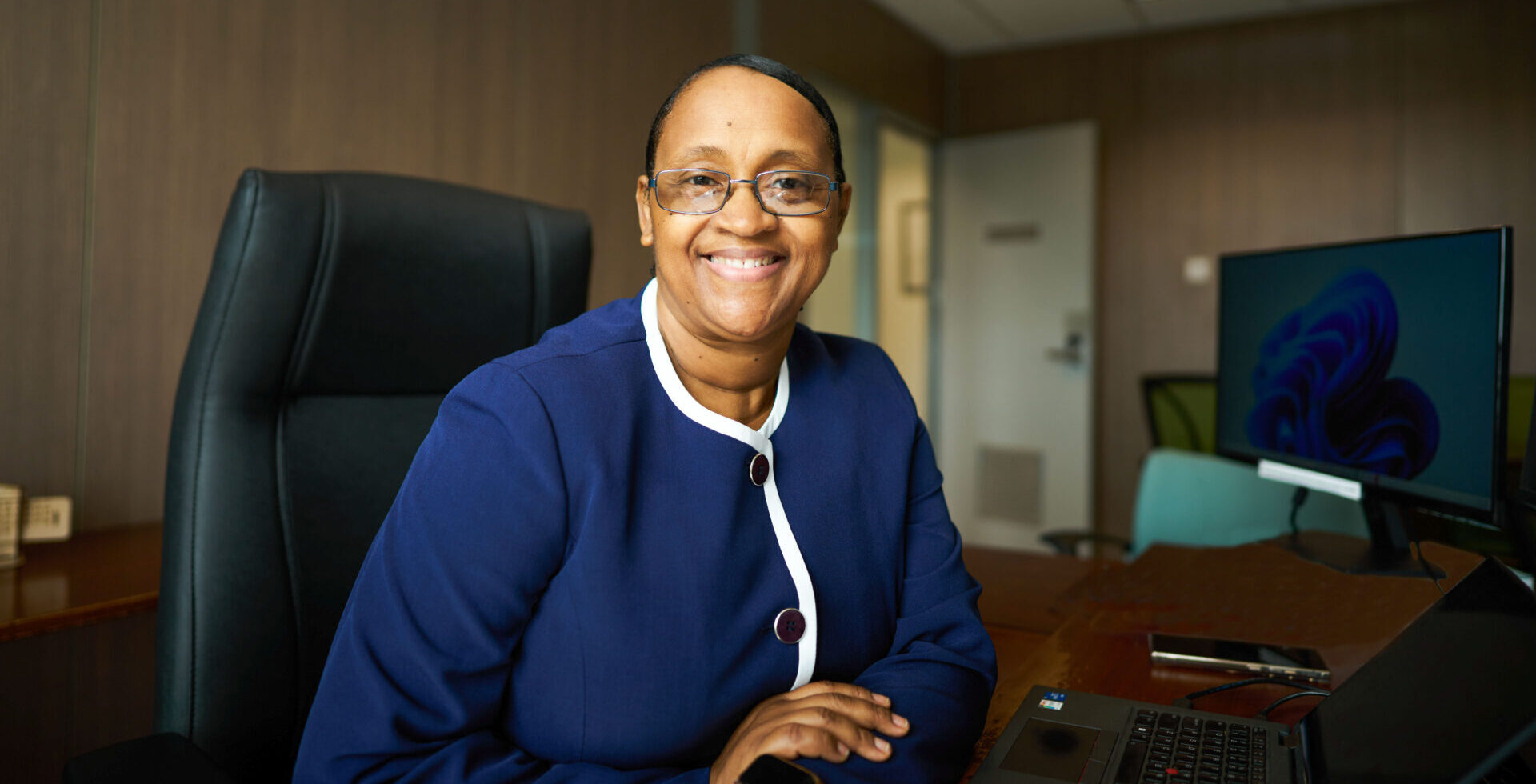

The Caribbean Examinations Council (CXC) is assuring students, teachers and parents across the region that its approach to artificial intelligence (AI) in School-Based Assessments (SBAs) is grounded in fairness, human judgement, and confidence in the desire of Caribbean learners to do well in demonstrating their knowledge and competence.
CXC’s Director of Operations, Dr. Nicole Manning, in an eight minute video statement released on its website and social media channels, spoke candidly about the opportunities and challenges that AI tools present for student’s academic work and SBAs, offering direct reassurance to students and educators navigating the digital landscape.
In directly addressing concerns about the reliability of AI detection tools in assessment as provided for in the CXC Standards and Guidelines for the Use of AI in Assessments. Manning said that AI detection software will not be used as the sole basis for decisions about a student’s work.
“The teacher-student relationship built over months of observation, drafts, conversations, and guidance remains central to how SBAs are moderated and assessed,” she said, adding “AI checkers are one input.
“They are not the verdict. There will be human interventions right through the process to ensure fairness”, Manning said.
CXC, established in 1972 by Caribbean governments to manage regional examinations, replacing the British O-Level exams with curricula tailored to the region, said it has been clear on the guidance for schools in the use of AI, which may be used to understand concepts, brainstorm ideas, explain difficult terms, or generate structural suggestions.
It said where AI has been used in any form, students must clearly cite their sources in the submitted SBA with a required Disclosure Form and Originality Report.
CXC said in cases where AI is not used, no Disclosure Form or Originality Report is required. It said submitting work generated wholly or significantly by AI is deemed by CXC as academic dishonesty and is handled under established irregularities procedures in collaboration with the candidate, the teacher, and the school principal.
Manning acknowledged the weight of responsibility on the Caribbean’s teaching community, committing CXC’s support to teachers with resources and training to navigate the AI landscape with confidence and consistency.
“You are not alone in this,” she remarked. “Engage your students in honest conversations about how they use these AI tools. Guide them on what they can do, what they cannot, and why academic integrity matters beyond the examination room.”
Manning is encouraging to make the right choices about their education, saying “integrity is not about whether a machine can detect what you did. It is about who you choose to be”. (CMC)
The post CXC says AI approach based on fairness and human judgement appeared first on nationnews.com.