Dangote edges closer to energy independence with its first crude production
The Dangote Group has taken a significant step into upstream oil production, with early output already coming from its Niger Delta assets as the company gets closer to supplying its refinery with its own crude.
 Black News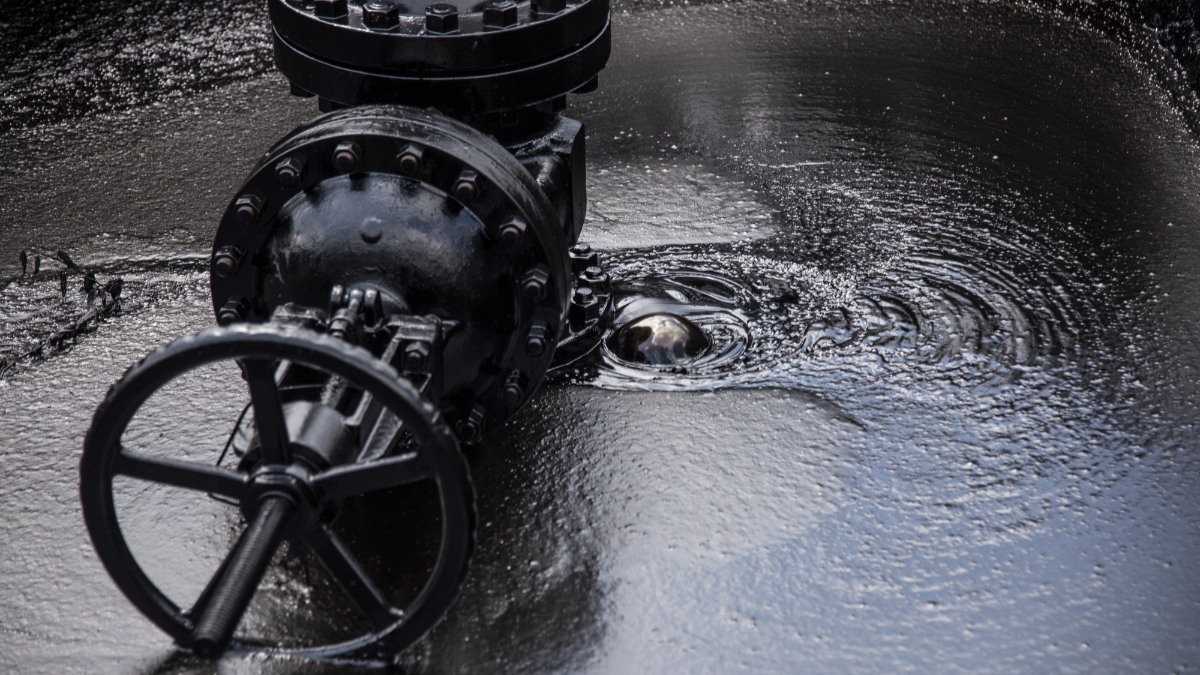


![Dangote edges closer to energy independence with its first crude production. [Stock Photo/Getty Images]](https://ocdn.eu/pulscms/MDA_/0d00938cf732d350de56643ca5903117.jpg)
The Dangote Group has taken a significant step into upstream oil production, with early output already coming from its Niger Delta assets as the company gets closer to supplying its refinery with its own crude.
- Dangote Group has started preliminary oil production from its Niger Delta assets, aiming to supply its own refinery.
- Current output from the Kalaekule field under Oil Mining Lease 72 is about 4,500 barrels per day, with expectations to reach 15,000 barrels soon.
- Dangote holds 85% of the upstream business, while the Nigerian National Petroleum Corporation owns the remaining stake.
- The fields had peaked in the 1990s, declined, and were revived after Dangote's acquisition in 2015 amid supply disputes with NNPC.
According to Devakumar Edwin, Vice President of the group's oil and gas division, preliminary testing has begun, and the company is planning to enter full-scale production in the following weeks.
DON'T MISS THIS: Nigeria imports nearly $5bn in U.S. crude despite exporting billions worth abroad
Speaking from the facility, the vice-president stated that drilling operations are ramping up, with a rig already secured for future growth.
The Kalaekule field, located under Oil Mining Lease 72, now produces approximately 4,500 barrels per day.
As seen in the Punch Newspaper, Olajumoke Ajayi, who heads the upstream joint venture West African E&P, said production might reach 15,000 barrels per day within the next month as operations stabilize and grow.
Dangote controls 85 percent of the upstream business, with the Nigerian National Petroleum Corporation owning a stake in the oil blocks.
Oil was discovered on the blocks in the 1960s, with production peaking in the late 1990s and then dropping in the early 2000s.
The fields were later acquired in 2015, paving the way for their eventual resurrection.
The Dangote refinery's expansion into crude production is more than just strategic; it is also imperative.
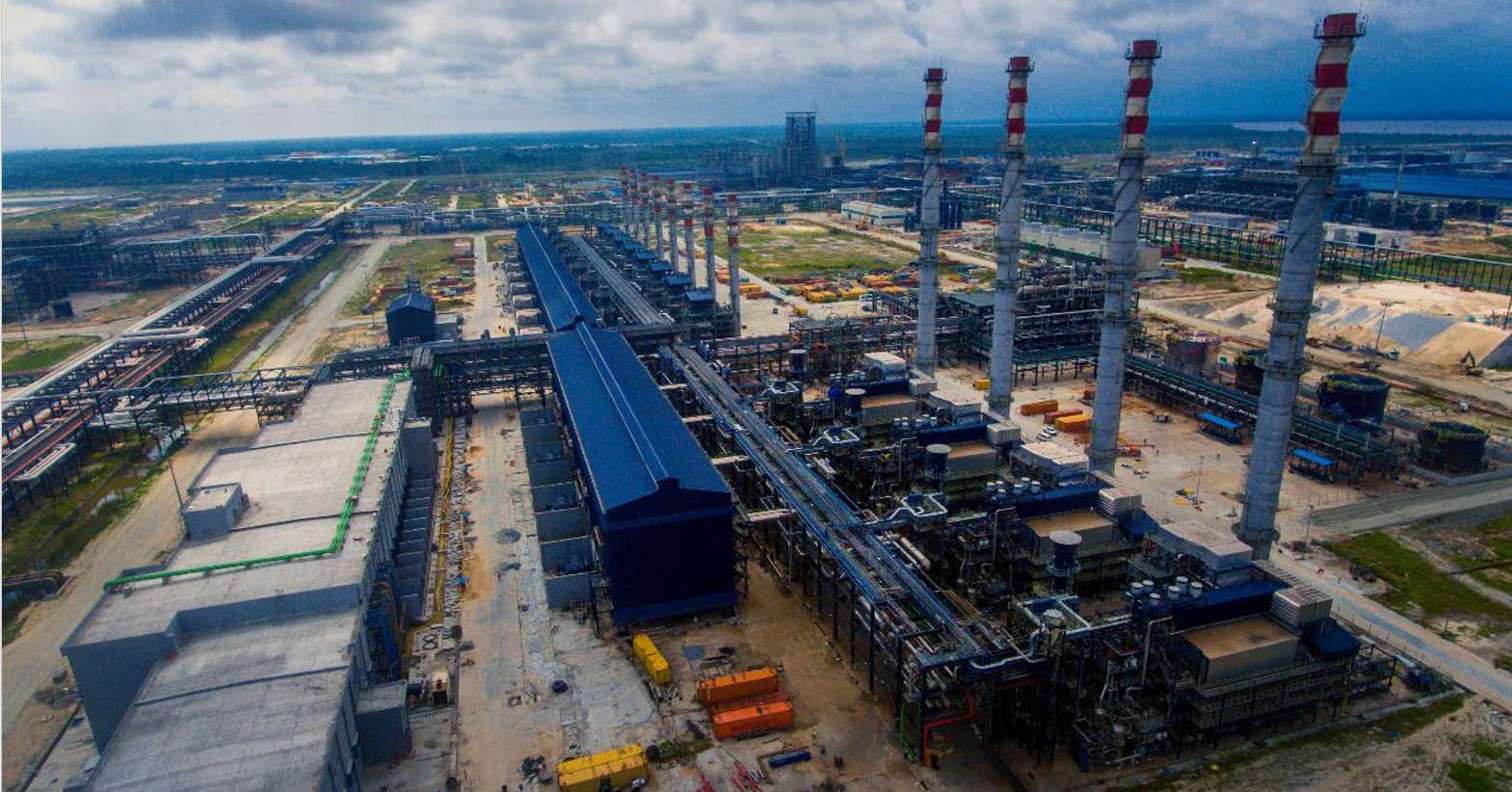
The refinery has previously experienced supply issues, particularly during a conflict with the national oil corporation over pricing arrangements.
At one stage, petroleum was priced in foreign currency, making imports from international markets more competitive than domestic supply.
In October last year, reports showed that Dangote's plan to begin producing its own crude was set to begin before the end of 2025.
Prior to that, Dangote had initially set Q4 of 2024 as the timeline to begin crude oil production.
At the time, the decision to commence oil exploration followed two months of crude supply dispute between Dangote and the Nigerian National Petroleum Corporation (NNPC).
“Dangote’s upstream assets in the Niger Delta, Oil Mining Lease 71 and 72, could soon provide another supply injection, with production expected to start this month and reach up to 40,000 b/d,” a report by S&P Global read.
The three-year crude scuffle also managed to seep into the refinery’s operations this year, as David Bird, the facility's CEO, noted that the Nigerian government for most of the year had been supplying a very insufficient amount of crude to the refinery.
However, the Refinery formally acknowledged the receipt of its most substantial crude oil delivery from the Nigerian National Petroleum Corporation (NNPC) to date, following the procurement of ten cargoes in March.