Data on how South Africa’s richest man steered Richemont to €22.4 billion in harsh gold market
Africa’s third-richest man, Johann Rupert, has led his luxury goods company Richemont through a difficult moment in the global luxury business, delivering strong growth despite rising gold costs, trade tensions, and declining consumer mood.
 Black News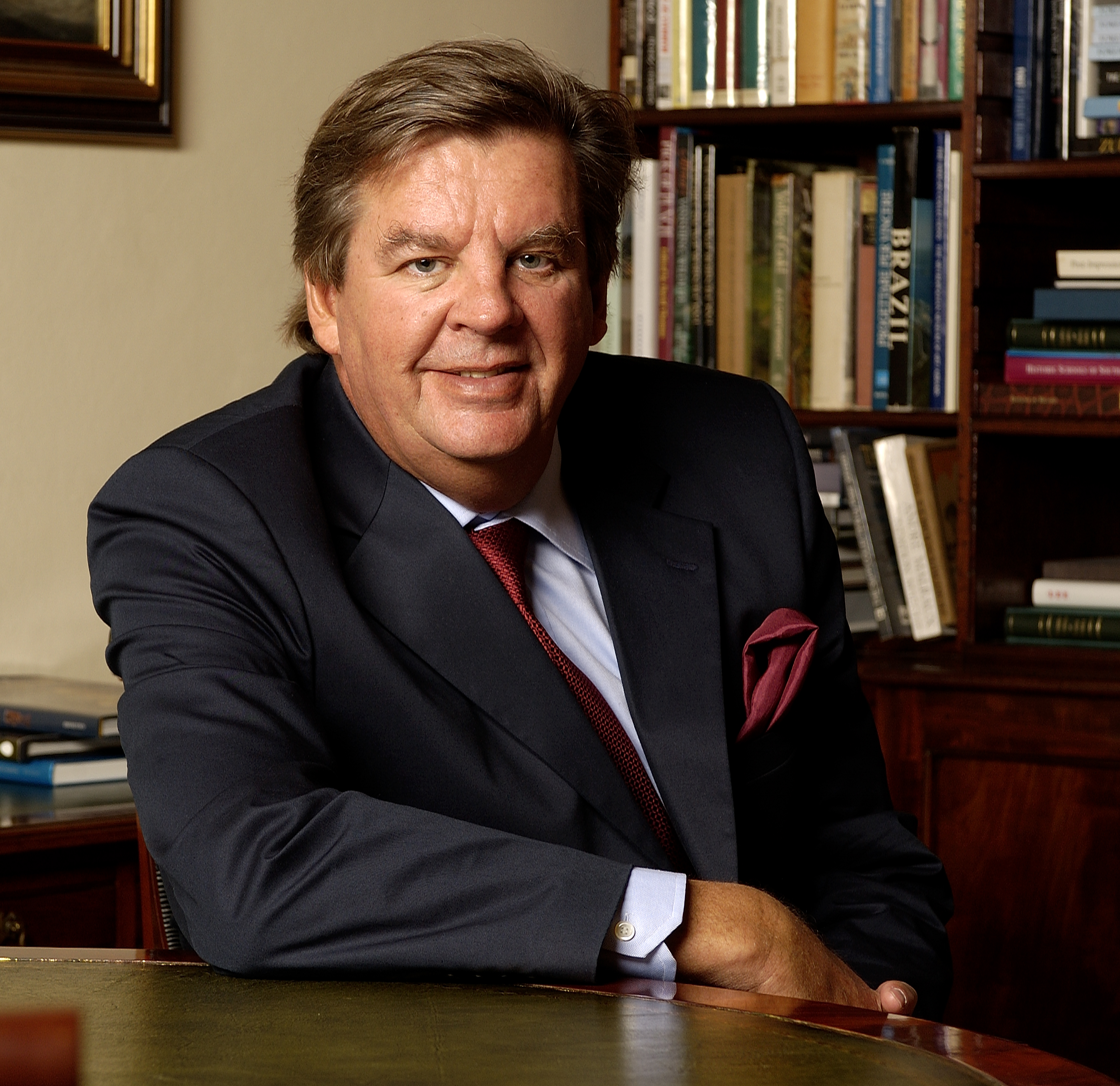
![Johann Rupert [Wikipedia]](https://ocdn.eu/pulscms/MDA_/aebad66ab0bab55d7cbdcc26c2c9d645.jpg)
Africa’s third-richest man, Johann Rupert, has led his luxury goods company Richemont through a difficult moment in the global luxury business, delivering strong growth despite rising gold costs, trade tensions, and declining consumer mood.
- Johann Rupert's Richemont delivered strong growth in the luxury sector despite global challenges like rising gold costs and trade tensions.
- Group sales rose 11% at constant exchange rates to €22.4 billion for the fiscal year ending March 31, with gains across all markets and distribution channels.
- Double-digit sales growth was seen in the Americas and the Middle East & Africa, with high single-digit growth in Europe, Japan, and the Asia Pacific.
- Jewelry and watches drove market share gains, with combined sales of €16.5 billion and Jewelry Maisons achieving a 30.5% operating margin.
The South African billionaire who heads the Cartier company saw Richemont outperform much of the sector in the fiscal year ending March 31.
Group sales for the year totaled €22.4 billion, an 11% rise at constant exchange rates (+5% at actual values), with growth in all business areas, geographies, and distribution channels.
This was aided by strong local demand and the advantages of the Group's diverse geographical presence.
These factors remained evident in the fourth quarter, allowing the Group to sustain its momentum, with sales growing 13% at constant exchange rates.
“All regions contributed to growth, led by double-digit performance at constant rates in the Americas throughout the year.
Sales in the Middle East & Africa were also up by double digits in the year, despite the adverse effect of the conflict in the region in March,” the report read.
Sales in Europe and Japan increased by high single digits at constant rates, despite strong comparisons from the previous year.
Asia Pacific likewise experienced high single-digit growth, with minor increases in China, Hong Kong, and Macau combined, as sales rebounded from the previous summer.
All distribution channels saw an increase in sales over the year, with retail seeing double-digit growth at steady rates.
Direct-to-client sales accounted for 77% of the Group's total sales, a minor rise from the previous year.
Buccellati, Cartier, Van Cleef & Arpels, and Vhernier, all of the Group's jewelry Maisons, saw a robust dynamic driven by increased demand in every region.
DON’T MISS THIS: South Africa's richest man sells share of valuable bank worth over $200 million
Both jewelry and watches saw substantial increases in market share as a result of combined sales reaching € 16.5 billion, up 8% or 14% at constant currency rates.
The Jewellery Maisons were able to increase their operating profit to €5 billion, with an operating margin of 30.5%, thanks to strong top-line performance.
“At the group level, operating profit came in at €4.5 billion, including €164 million of non-recurring costs. The strong sales momentum, combined with solid cost discipline, mitigated the decline in gross margin resulting from unfavourable currency movements and higher raw material costs, and to a lesser extent, additional US duties. Operating margin stood at 20.0%,” the report showed.
Profit for the year increased by 27% to €3.5 billion, compared to €2.8 billion the previous year.
Finally, the Group's net cash position remained robust, at €8.5 billion at the end of March 2026, up €0.2 billion from a year ago.