Developing a Healthy Relationship with Failure
One of the more damaging things we have done as a society is attach embarrassment to failure. Failure has become more than an unfavourable outcome. It has become a social event. Fail an examination, and people question your ability. Miss out on a job opportunity, and you begin questioning your own worth. Start a business […] The post Developing a Healthy Relationship with Failure appeared first on The Namibian.
 Black News

One of the more damaging things we have done as a society is attach embarrassment to failure.
Failure has become more than an unfavourable outcome. It has become a social event.
Fail an examination, and people question your ability. Miss out on a job opportunity, and you begin questioning your own worth.
Start a business that does not succeed, and suddenly the fear of what people might think becomes heavier than the financial loss itself.
Over time, this creates a culture where people become more afraid of looking like they failed than of never trying at all.
That is a dangerous way to think.
If we genuinely want a generation that is innovative, entrepreneurial, and willing to pursue meaningful careers, then we have to change our relationship with failure from the ground up.
Part of that starts with how we measure success.
We have become obsessed with outcomes and pay far too little attention to effort. Yet effort is the only part of the equation we truly control.
Outcomes depend on countless variables beyond our influence, timing, competition, circumstance, opportunity, and sometimes simply luck.
That does not mean outcomes are unimportant. They matter.
What it does mean is that a failed outcome should never erase the value of genuine effort.
Every unsuccessful interview teaches something. Every rejected application reveals something. Every failed attempt develops a level of resilience that success simply cannot.
Ironically, many of the people we admire today have simply accumulated more failures than the rest of us. The difference is that they refused to interpret failure as an instruction to stop.
Perhaps the conversation should change.
Instead of asking, “Did you succeed?”, we should first ask, “Did you try?”
That shift may seem small, but it changes what people are rewarded for. It encourages action instead of hesitation, courage instead of self-preservation, and growth instead of comfort.
Failure should never become identity.It should remain what it has always been: a teacher.
The challenge, therefore, is simple. Chase opportunities. Apply for the role. Start the business. Pursue the qualification. Let your effort be judged by your willingness to try, not by whether every attempt succeeds.
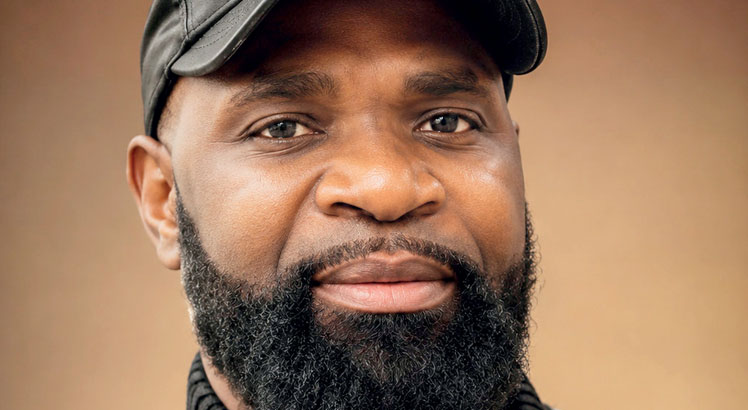
– Johannes Shangadi is a Namibian legal professional and managing consultant at Strategic Corporate Advisory Namibia. He passionately writes on career growth, professional visibility and navigating competitive job markets.
The post Developing a Healthy Relationship with Failure appeared first on The Namibian.